Monsoon Workations Reshape India's Holiday Trends
Indian travelers are using the monsoon for workations, spiritual breaks and slower trips, changing how destinations package holidays beyond peak seasons.
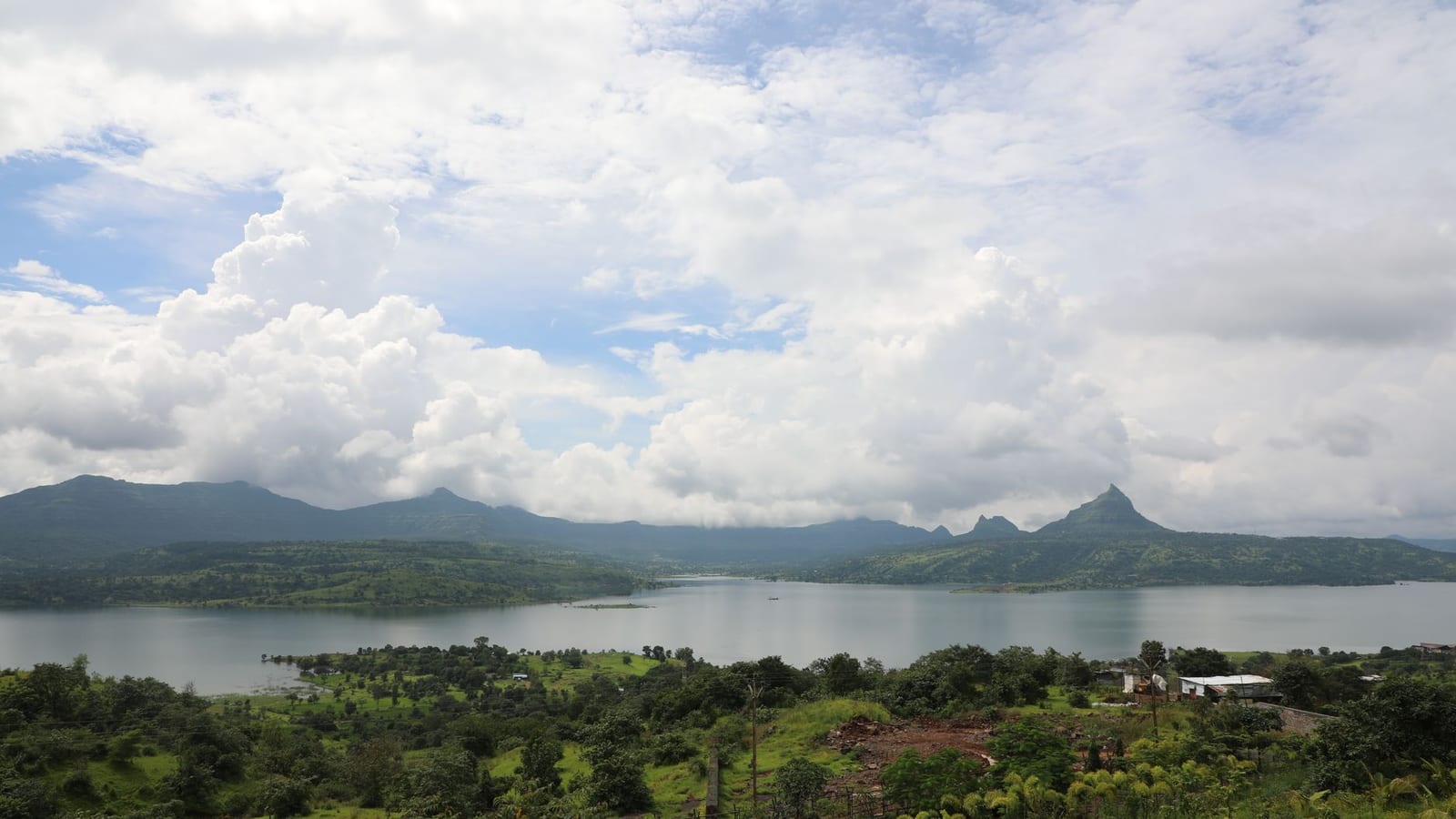
The Indian holiday is no longer one thing. It is a rainy workation, a slow spiritual break, a coffee trail, a caravan drive, or a weekend airport meal before a flight.
That may sound like travel brochure talk. But look closely, and you see something real changing. Indians are not just asking where to go. They are asking when to go, how slowly to move, and whether a trip can fit around work, faith, family, or a long weekend.
Monsoon travel gets its turn
For years, the Indian monsoon had one travel rule. Avoid it unless you loved traffic, damp clothes, and delayed trains.
That old rule is weakening.
Destinations in Meghalaya, Himachal, Uttarakhand, Kerala, and Maharashtra now sell the rains as the main attraction. Waterfalls grow louder. Valleys turn greener. Hill roads look freshly washed, even when they test your patience.
The appeal is practical too. A working couple can take a Friday off and stretch a weekend. A young professional can carry a laptop to a quieter hill town. Families can skip peak summer crowds and still find dramatic scenery.
This explains the rise of monsoon workations. The word sounds fancy, but the idea is simple. Work from a calmer place, then step out when the laptop shuts.
Places like Mashobra, Tons Valley, and Kolukkumalai fit that mood well. They are not empty, untouched escapes. No serious traveller should believe that line anymore. But they offer a softer pace than Shimla, Manali, or Munnar during peak rush.
The catch is equally clear. Monsoon travel needs better planning. Roads can close. Jeep rides can turn rough. Mobile networks may behave badly. A pretty rain video does not show the wet socks and cancelled plans.
Northeast moves into the mainstream
The Northeast is no longer sitting at the edge of India’s travel imagination. It is moving closer to the centre.
Nagaland appears more often in travel conversations now. So do Arunachal Pradesh, Meghalaya, and other parts of the region. Travellers want festivals, food, landscapes, and stories that feel different from the familiar hill-station circuit.
Itanagar captures this shift neatly. It is not the kind of place many tourists once planned around. Often, travellers passed through it on the way to Ziro or deeper Arunachal. Now, even a delayed or missed onward plan can turn into a proper city stay.
That says something about India’s changing traveller. People are learning to leave space for surprise. Not every trip needs a perfect checklist.
But visibility brings pressure. More arrivals can help homestays, taxi operators, local guides, cafés, and small shops. It can also strain roads, waste systems, and fragile cultural spaces.
This is where Indian travel often gets lazy. We discover a place, flood it with attention, then complain when it starts looking crowded. The Northeast deserves better than that cycle.
Travellers must ask basic questions. Who owns the stay? Who benefits from the tour? Are we treating local customs as living culture, or as content?
Those questions are not moral decoration. They decide whether tourism builds local income or just extracts pretty photographs.
Faith trips become fuller journeys
Spiritual travel remains one of India’s strongest travel engines. But it is also changing shape.
Puri during Rath Yatra is not only about watching the chariots move. Travellers now pair the procession with Mahaprasad, the Jagannath temple culture, Konark, beach time, and local performance traditions.
That matters because faith travel has always supported small economies. Priests, cooks, flower sellers, guides, transport workers, hotel staff, and sweet shops all depend on the pilgrim flow.
Shravan travel works in a similar way. Devotees visit Shiva temples, but many also plan short breaks around them. The trip carries worship, family time, and a pause from routine.
Kashi shows the same pattern. The Kashi Vishwanath Temple, Ganga Aarti, Assi Ghat, and local markets pull different kinds of visitors. Some come for belief. Some come for history. Many come because Banaras makes time feel strangely elastic.
There is a useful lesson here for travel businesses. Indians rarely travel for one reason. A trip can be religious, cultural, social, and restful at once.
The smartest destinations understand this mix. They do not reduce visitors to neat categories like “pilgrim” or “tourist”. In India, the same person can be both by lunchtime.
Travel now follows habits
The other big change is habit. Indians are building travel around everyday lifestyles, not only annual holidays.
Book cities are getting attention through libraries, old shops, cafés, and readers. Coffee trails now stretch from old Kolkata institutions to Bengaluru’s craft cafés. Mango tourism turns orchards, museums, and rare varieties into reasons to travel.
This may sound niche, but niche is where serious domestic travel is heading. One traveller wants clear lakes. Another wants beginner treks. Someone else wants a drag show that reflects queer community across Asia.
Queer-friendly travel is especially important. It is not about glossy branding alone. LGBTQ+ travellers often think about safety, comfort, hotel attitudes, and public spaces before booking a trip.
That practical layer matters for many groups. Solo women, older travellers, backpackers, and families with children all read destinations through comfort and risk.
Caravan travel also points to this new mood. It is still young in India, and infrastructure remains uneven. But the idea has appeal. People want control over pace, route, and stay.
Here again, the romance needs a reality check. Caravans need safe parking, clean toilets, service support, and state-level coordination. Without that, the dream becomes an expensive parking problem.
Airports join the itinerary
Even airports are changing their role. Kempegowda International Airport Bengaluru marking 18 years tells a larger story about Indian travel.
Airports once felt like waiting rooms with security checks. Now, the best ones try to become food, retail, art, and work spaces. For frequent flyers, that matters more than many admit.
Bengaluru’s airport reflects the rise of the Indian traveller who moves often. Tech workers, founders, students, families, and international flyers all use the airport as part of daily economic life.
Booking platforms see this shift clearly. MakeMyTrip has built its pitch around flights, hotels, holidays, trains, and planning tools. That says travel has become a full-stack habit, not a once-a-year purchase.
For ordinary Indians, the opportunity is simple. More choice means more ways to travel within budget, time, and comfort.
The risk is also simple. The travel industry can oversell places faster than local systems can cope.
The next phase of Indian travel will not depend only on prettier lists. It will depend on roads that survive rain, hotels that respect guests, towns that manage crowds, and travellers who slow down enough to notice where they are.