Dussehra 2024 Festivities Lift Seasonal Retail Sales
Dussehra 2024 observances on October 12 brought ritual timings, Ravana effigies and a seasonal sales push for sweets, flowers and local vendors.
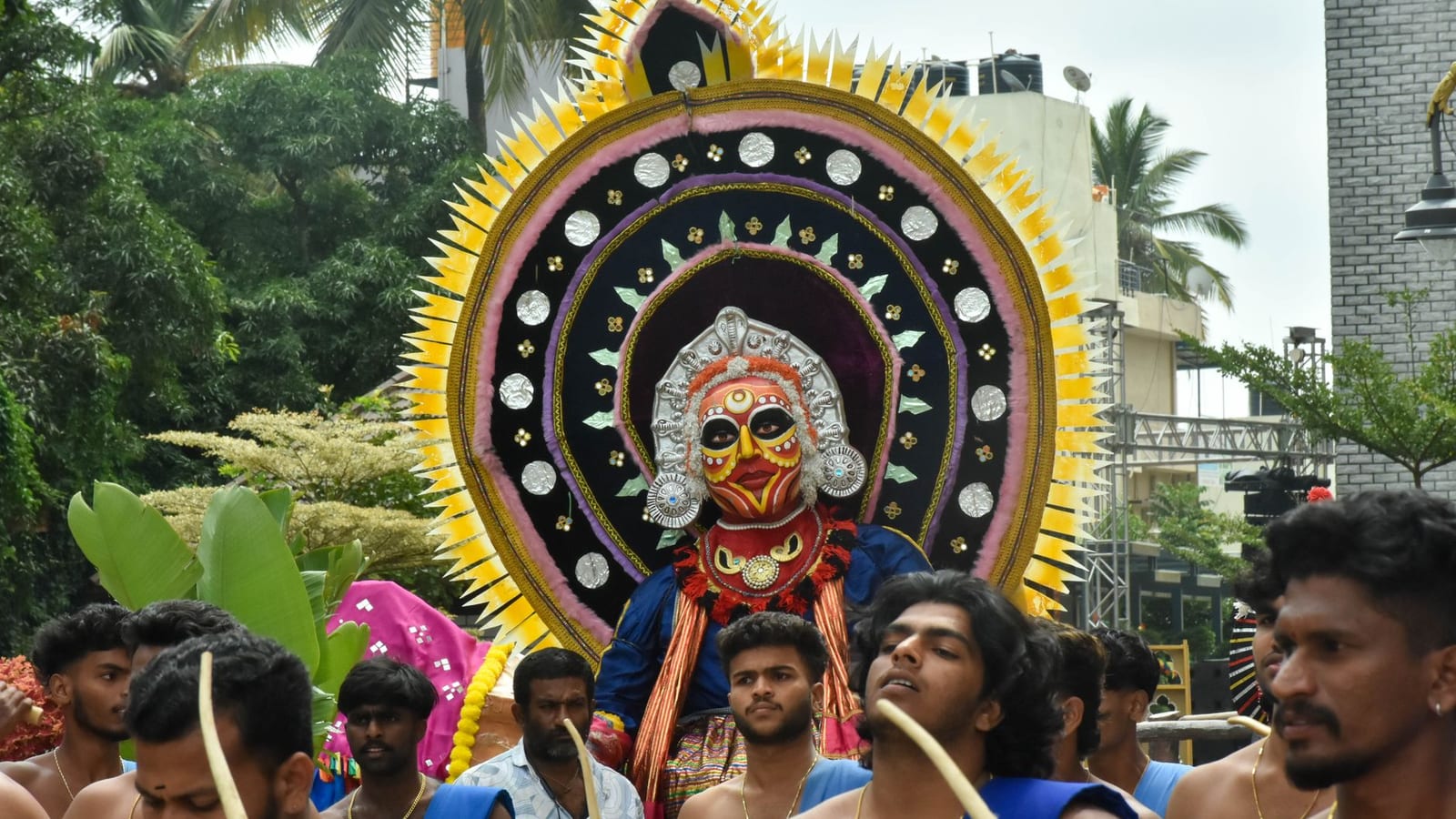
A festival calendar may look spiritual on paper, but on the ground it moves markets too. One evening of Dussehra means crowded sweet shops, packed neighbourhood grounds, extra sales for flower vendors, and families timing rituals around work, school, and traffic.
For Dussehra 2024, the main observances fell on Saturday, October 12. The day carried the familiar mix of faith, spectacle, and seasonal spending that arrives just before India turns fully towards Diwali.
The festival, also known as Vijayadashami, marks the victory of good over evil. For many families, it is not only about watching Ravana burn. It is also a day to worship tools, vehicles, weapons, books, accounts, and anything linked to livelihood.
Dussehra timings for 2024
The Dashami tithi began at 10.58 am on October 12, 2024. It continued until 9.08 am on October 13, 2024.
The Shravan nakshatra started earlier, at 5.25 am on October 12. It ended at 4.27 am on October 13.
Drik Panchang placed the Vijay muhurat between 2.02 pm and 2.48 pm. This 46-minute window was considered suitable for Shastra Puja, Aparajita Puja, and Shami Puja.
The broader afternoon puja period ran from 1.16 pm to 3.35 pm. That gave families a little more breathing room, especially in cities where travel itself eats into half the day.
For Ravana Dahan, the preferred period fell in the evening. The auspicious window was from 5.53 pm to 7.27 pm.
That timing matters for organisers. A Ramlila committee cannot simply light the effigy when the crowd gathers. It must think about the muhurat, police permissions, fire safety, crowd control, and traffic.
Why Ravana Dahan draws crowds
The public face of Dussehra is still Ravana Dahan. Across towns and cities, families gather in open grounds to watch giant effigies go up in flames.
The story is simple and powerful. Lord Ram defeats Ravana and frees Sita. The burning effigy becomes a visual reminder that arrogance, greed, and cruelty do not last forever.
But the event also runs on a local economy. Artisans build the effigies. Vendors sell snacks, toys, balloons, and small puja items. Sound technicians, stage workers, electricians, and security teams all find short-term work.
For a small trader near a Dussehra ground, one evening can mean sales that beat an ordinary week. For a child, it may be the first big festive outing before Diwali shopping begins.
That is why Dussehra sits at an interesting point in India’s calendar. It is religious, cultural, and commercial at the same time. Nobody needs a spreadsheet to see it. Just stand near a sweet shop that evening.
Puja rituals families followed
Traditional Dussehra puja began with a clean setup. Families placed a red cloth on a small platform or chowki.
They then installed images or idols of Lord Ram and Goddess Durga. Rice was coloured yellow with turmeric and arranged for Ganesh worship.
The puja also included the Navgraha, or nine planetary deities. Families offered fruits, flowers, sweets, and other items as part of the ritual.
The source tradition also placed emphasis on giving. Households were advised to donate according to their means to a poor or needy person.
That last part often gets lost in the noise of fireworks and spectacle. Yet it is central to the moral idea of the festival. Victory is not only about defeating evil outside. It is also about acting with duty and restraint.
Shastra Puja had special meaning for many communities. Soldiers, police personnel, business owners, mechanics, drivers, and craftspeople often worship the tools of their work.
In modern India, that idea has widened. A shopkeeper may worship account books. A taxi driver may decorate his vehicle. A student may place books before the deity. A freelancer may quietly include a laptop.
The point is easy to understand. People honour the instruments that help them earn, learn, move, and survive.
The stories behind Vijayadashami
Two major traditions shape Vijayadashami. The first comes from the Ramayana. Lord Ram kills Ravana on the tenth day of the bright half of Ashwin month.
The second links the day to Goddess Durga. She defeats the demon Mahishasura after a fierce battle. That is why many communities see the day as Durga’s victory too.
Both stories carry the same moral centre. Power alone is not enough. It must answer to justice.
Dussehra also lands exactly 20 days before Diwali, according to the tradition followed in the source material. That makes it the practical starting bell for India’s biggest festive consumption cycle.
After Dussehra, families begin planning bigger purchases. Clothes, jewellery, phones, vehicles, home appliances, sweets, gifts, and travel all enter the conversation.
Businesses know this rhythm well. Retailers stock up before the rush. E-commerce platforms push festive sales. Local markets stretch their working hours.
Yet the most dependable festive economy is still local. The neighbourhood halwai, flower seller, tailor, potter, electrician, and decorator all depend on these weeks.
For ordinary families, Dussehra is both a ritual day and a budgeting marker. People want to celebrate, but they also count expenses carefully.
That tension feels very Indian. Faith says spend with joy. Household math says spend with care.
What the day means now
Dussehra 2024 showed again how Indian festivals rarely stay inside one box. They are prayer, theatre, memory, business, and community gathering all at once.
The muhurat may guide the ritual. The crowd gives it energy. The local market gives it movement.
For working families, the day also offers a small pause. People step out together, buy something sweet, watch a familiar story, and return home with the feeling that a new season has begun.
That is the lasting power of Dussehra. It tells a very old story, but it still fits daily life. Every year, people look at Ravana burning and hope some part of their own burden burns with it too.