Vaibhav Suryavanshi earns India T20 call-up at 15
Vaibhav Suryavanshi's India T20 selection at 15 follows a strong IPL 2026 run with Rajasthan Royals, highlighting cricket's fast youth pipeline.
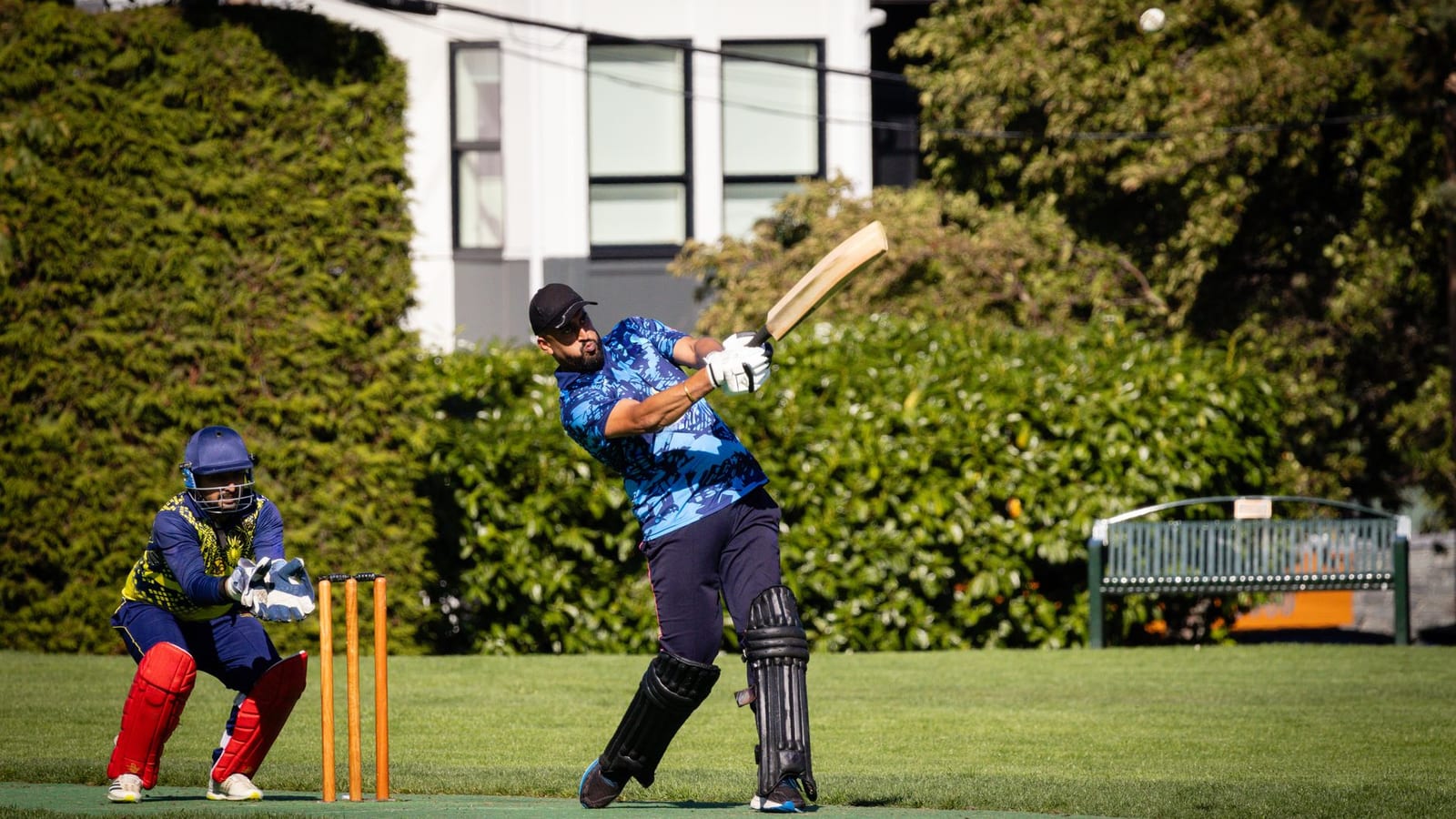
A 15-year-old getting a call-up to India’s T20 side can make even seasoned cricket watchers sit up straight.
That is what Vaibhav Suryavanshi has done. After scoring more than 230 runs for Rajasthan Royals in IPL 2026, the young batter called his India selection the biggest stage of his career so far.
For Indian sport, this is not just another selection note. It is a reminder that the pipeline is moving faster than ever. Teenagers now arrive with IPL pressure, camera scrutiny, and social media noise already baked into their careers.
Vaibhav gets his India call
Vaibhav’s selection in Team India feels like a cricket story with two speeds.
One is the old, emotional speed. A young player dreams of India colours, performs in domestic and franchise cricket, and gets picked. That part still moves the heart.
The other speed is modern Indian cricket. A 15-year-old can now become a national talking point within weeks. One strong IPL season can change a family’s life, a franchise’s plans, and a selector’s headache.
Vaibhav said his selection felt like a dream come true. That may sound simple, but it carries weight. At 15, most young cricketers still worry about school tournaments and age-group trials.
He now enters a dressing room where every net session becomes news. Every score, even a 20, will be measured against his age. That is both opportunity and pressure.
The selection also says something about Indian cricket’s confidence. The system no longer waits endlessly for players to “look ready”. If the numbers and temperament impress, the door opens early.
Kohli’s fitness keeps selectors alert
At the other end of the cricket age curve sits Virat Kohli.
The BCCI named him in India’s 15-member ODI squad for the England series, but with one clear condition. He must clear the required fitness check.
That line matters. It tells fans that reputation still counts, but fitness decides the final seat.
Kohli remains one of Indian cricket’s biggest names. Yet modern selection rooms cannot run only on memory. England tours demand sharp movement, long spells in the field, and recovery between matches.
For ordinary fans, this is the interesting part. Indian cricket is trying to manage two truths at once. It wants to trust proven stars, while also rewarding younger legs.
That balance is not easy. Leave out a senior player too early, and people call it disrespect. Carry him too long, and the same people ask why youngsters sit outside.
Kohli’s conditional inclusion shows how carefully India now words its squad calls. It keeps the door open, but it also makes the standard public.
In a way, Vaibhav and Kohli belong to the same story. One is trying to enter the big room. The other must show he still owns his place there.
Harmanpreet reaches rare ground
Indian cricket’s most striking landmark came from Harmanpreet Kaur.
The India captain became the first cricketer, woman or man, to play 200 T20 internationals. She reached the mark during India’s World Cup match against South Africa.
Before the match, head coach Amol Muzumdar marked the milestone. That small ceremony mattered because women’s cricket has often had to fight for memory.
Numbers like 200 force people to look again. They show endurance, not just talent. They also show how long Harmanpreet has carried visibility for the women’s game.
India lost that match to South Africa by 6 wickets. South Africa’s Kapp produced the decisive all-round performance and made an unbeaten 81.
So the day carried two truths. Harmanpreet made history, but India still had cricketing problems to solve.
That is sport at its most honest. A record does not protect a team from defeat. A milestone gives perspective, but the scoreboard remains cold.
Still, 200 T20Is is a serious number. It reflects fitness, form, selection trust, and personal hunger over many years.
For young girls watching from small towns, the message is plain. A long international career in women’s cricket is now visible. It is no longer an abstract hope.
Indian teams find wider success
Away from cricket, Indian sport had several quieter wins.
The Indian women’s hockey team reached the Nations Cup final after beating Chile 6-0. They were set to face New Zealand for the title.
That 6-0 scoreline tells its own story. It was not a lucky win or a late escape. It was a match where India controlled the contest.
Indian boxing also enjoyed a strong outing in the Czech Republic. The squad won 12 medals at the Grand Prix in Usti nad Labem, including 8 golds.
The women’s team played a major part, winning 4 golds and 1 silver. In medal sports, that matters because depth often decides future Olympic hopes.
Volleyball also had its moment. Three players from Mastuana Sahib earned selection for the Indian team for a championship in China.
Sangrur’s Amarinderpal Singh also made the senior volleyball team. He was playing in Ahmedabad at the Asian Volleyball Confederation Cup.
These stories rarely dominate television debates. But they matter deeply in sports hostels, district grounds, and family homes.
For a player from Sangrur or Mastuana Sahib, an India jersey changes social status. It validates years of practice that most people never saw.
Football delivers big numbers
Global football gave fans its own dose of drama.
Portugal beat Uzbekistan 5-0 in the FIFA World Cup, with Cristiano Ronaldo scoring twice. The goals came after criticism of his poor previous outing.
Lionel Messi also made history as Argentina beat Austria 2-0. He moved to 18 World Cup goals, going past Miroslav Klose’s mark of 16.
Spain beat Saudi Arabia 4-0, with 18-year-old Lamine scoring in the 10th minute. Mikel also scored twice.
Elsewhere, Egypt beat New Zealand 3-1 for their first win. Cape Verde and Uruguay drew their match. Curacao held Ecuador, helped by goalkeeper Eloy Room’s record saves.
For Indian fans, these results are not distant noise anymore. Football has become a late-night habit in many homes and cafes.
The Ronaldo-Messi shadow still stretches across the sport. But Spain’s teenage scorer also points to the next wave arriving fast.
That is the larger theme running through this sporting week. Vaibhav steps into Indian cricket at 15. Harmanpreet reaches 200 games. Kohli waits on fitness. Young footballers and lesser-known Indian athletes push forward.
Sport keeps reminding us that careers do not move in straight lines. Some begin early, some last forever, and some depend on one final fitness test. For fans, the lesson is simple. Watch the big names, yes, but keep an eye on the new ones. That is often where tomorrow’s headline is quietly taking shape.