Fake KYC alerts expose wider fraud risks in Kerala
Viral Malayalam fact checks show how fake KYC messages and scheme rumours are turning routine banking updates into fraud risks for Kerala users.
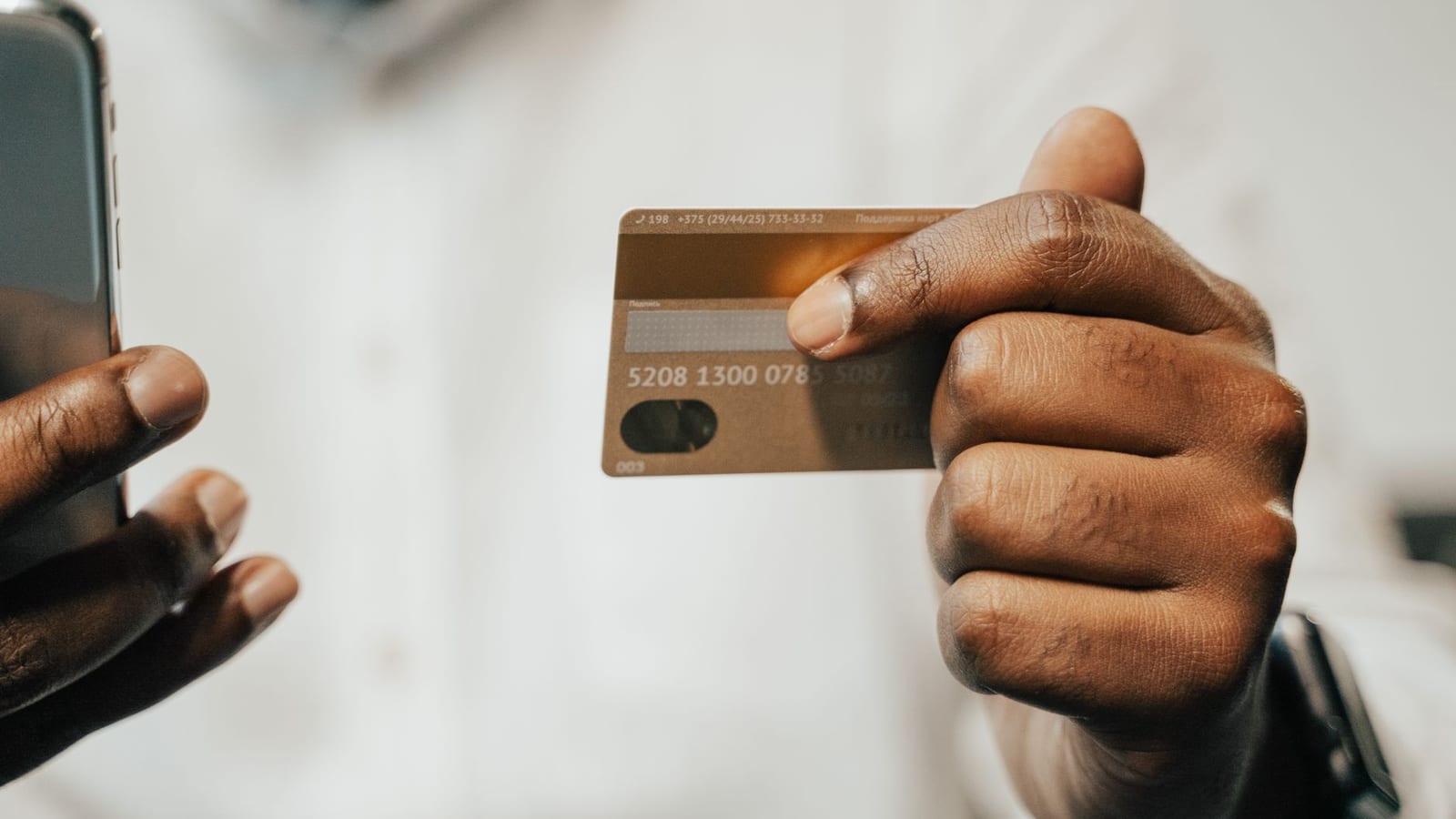
A bank customer gets one fake KYC message, taps one link, and suddenly a routine chore becomes a financial risk.
That is the quiet danger running through a recent cluster of viral claims flagged for fact-checking in Malayalam. The rumours jump from banking and government schemes to health care, marathons, gas cylinders, hospitals, politics, and even international conflict.
For readers in Kerala, the larger story is not just fake news. It is how misinformation now behaves like a shadow economy, feeding on trust, panic, and the small anxieties of everyday life.
Banking fraud gets a local face
One of the clearest business warnings involves KVB Bank and a fake KYC update message spreading through WhatsApp.
KYC means “know your customer”. Banks use it to confirm a customer’s identity. Fraudsters use the same word because it sounds official, urgent, and slightly frightening.
That is the trick. A customer sees a message saying their account needs an update. The sender name looks familiar. The language sounds procedural. The link appears harmless.
But the goal is usually simple. Get the user to share login details, card data, OTPs, or remote access permissions. Once that happens, money can leave an account within minutes.
For a salaried worker, this can mean a month’s pay gone. For a small trader, it can mean working capital wiped out. For an elderly depositor, it can mean a lifetime of caution defeated by one convincing message.
Banks have spent years pushing customers online. That shift has helped millions avoid branch queues. But it has also moved fraud into the customer’s pocket.
The lesson is plain. No serious bank asks customers to update KYC through random WhatsApp links. A genuine bank alert should push customers to official apps, branches, or verified websites.
Welfare rumours target trust
Another viral claim said people could get up to ₹2 lakh in cash through Pradhan Mantri Jan Dhan Yojana.
That kind of claim travels fast because it speaks to hope. Jan Dhan accounts reach households that often sit outside older banking networks. Many account holders treat government scheme messages seriously.
When a false cash promise spreads, it does more than mislead. It wastes people’s time, crowds local officials with questions, and creates openings for middlemen.
A poor family may not lose money immediately. But they may share Aadhaar details, bank information, or phone numbers with strangers. That data can later feed loan scams, SIM fraud, or phishing attempts.
This is why welfare misinformation matters to business readers too. India’s digital public infrastructure depends on trust. If people keep seeing fake benefit claims, they start doubting real alerts as well.
The damage then spreads beyond one scheme. It hurts direct benefit transfers, small savings, insurance enrolment, and digital payments.
Government schemes already have complex names. Fraudsters exploit that complexity. They add a big number, a deadline, and a familiar logo. For many users, that is enough to look believable.
Fake events hit small businesses
The false advertisement around Marine Drive Marathon Kochi 2026 shows another side of the problem.
Event scams do not always look like classic cybercrime. They can appear as glossy posters, registration links, social media pages, or payment QR codes.
A marathon may sound harmless. But real events support a chain of local spending. Participants book hotels, buy shoes, hire taxis, eat out, and bring families.
When fake event promotions spread, they hurt more than hopeful runners. They can confuse vendors, sponsors, local tourism operators, and small food businesses.
For a city like Kochi, events also shape reputation. A false campaign can make residents sceptical about real public events later. Organisers then spend extra money proving they are legitimate.
The fake marathon claim is a reminder that misinformation has a cost even when nobody pays the scammer. It burns attention. It weakens confidence. It makes every genuine poster work harder.
For businesses, the practical takeaway is boring but vital. Verify event websites, payment accounts, organisers, and official permissions before spending on sponsorships or registrations.
Health and insurance claims spread anxiety
Several viral claims in the cluster touched health and insurance. One asked whether Tamil Nadu had declared that hospital bills need not be paid if a patient dies during treatment. Another discussed insurance for gas cylinder accidents.
These are not abstract rumours. They reach people at moments of fear.
A family facing a hospital bill will cling to any message that promises relief. A household using an LPG cylinder will want to know whether an accident brings insurance support.
The problem is that half-understood claims can create real conflict. A grieving family may confront a hospital desk based on a viral post. A customer may assume insurance is automatic, without checking process, eligibility, or documentation.
Health care and insurance already suffer from low trust. Bills feel opaque. Policies feel difficult. Claims often move slowly. Misinformation enters exactly there, in the gap between what people need and what systems explain.
For ordinary readers, the safer habit is simple. Treat viral legal or insurance claims as leads, not answers. Check with the hospital, insurer, distributor, or official department before acting.
For companies and public agencies, the message is sharper. If official information stays hard to understand, fake information will fill the space.
Politics keeps fuelling the machine
The remaining claims range across protests, religious figures, the Army, China, FIFA, France, Morocco, Rajasthan, Bihar, and other sensitive subjects.
At first glance, they look separate from business. They are not.
Political misinformation shapes public mood. Public mood affects markets, tourism, local trade, consumer behaviour, and even workplace conversations.
A rumour about violence can make families avoid travel. A false claim about communal identity can strain neighbourhood businesses. A fake post involving the Army can create needless alarm.
The pattern is familiar. Old videos get new captions. Foreign clips become Indian incidents. Emotional claims attach themselves to names people already recognise.
That is why fact-checking has moved from media housekeeping to civic infrastructure. It helps citizens slow down before outrage becomes action.
Businesses should pay attention too. Brand safety no longer means only avoiding bad ads. It also means knowing how quickly false posts can drag institutions, banks, events, and public schemes into confusion.
The smart response is not panic. It is discipline. Verify before forwarding. Check official channels before paying. Treat miracle offers, urgent KYC warnings, and dramatic political clips with suspicion.
India’s digital economy runs on speed. Money moves fast, news moves faster, and rumours move fastest of all. The next phase will test whether ordinary users can build one small pause into that speed. That pause may protect a bank account, a family decision, or a city’s trust in the next genuine announcement.