Kerala solo travellers fuel organised group trips
Kerala travel communities are drawing young solo travellers to shared weekend trips, hill camps and treks planned through Instagram and WhatsApp.
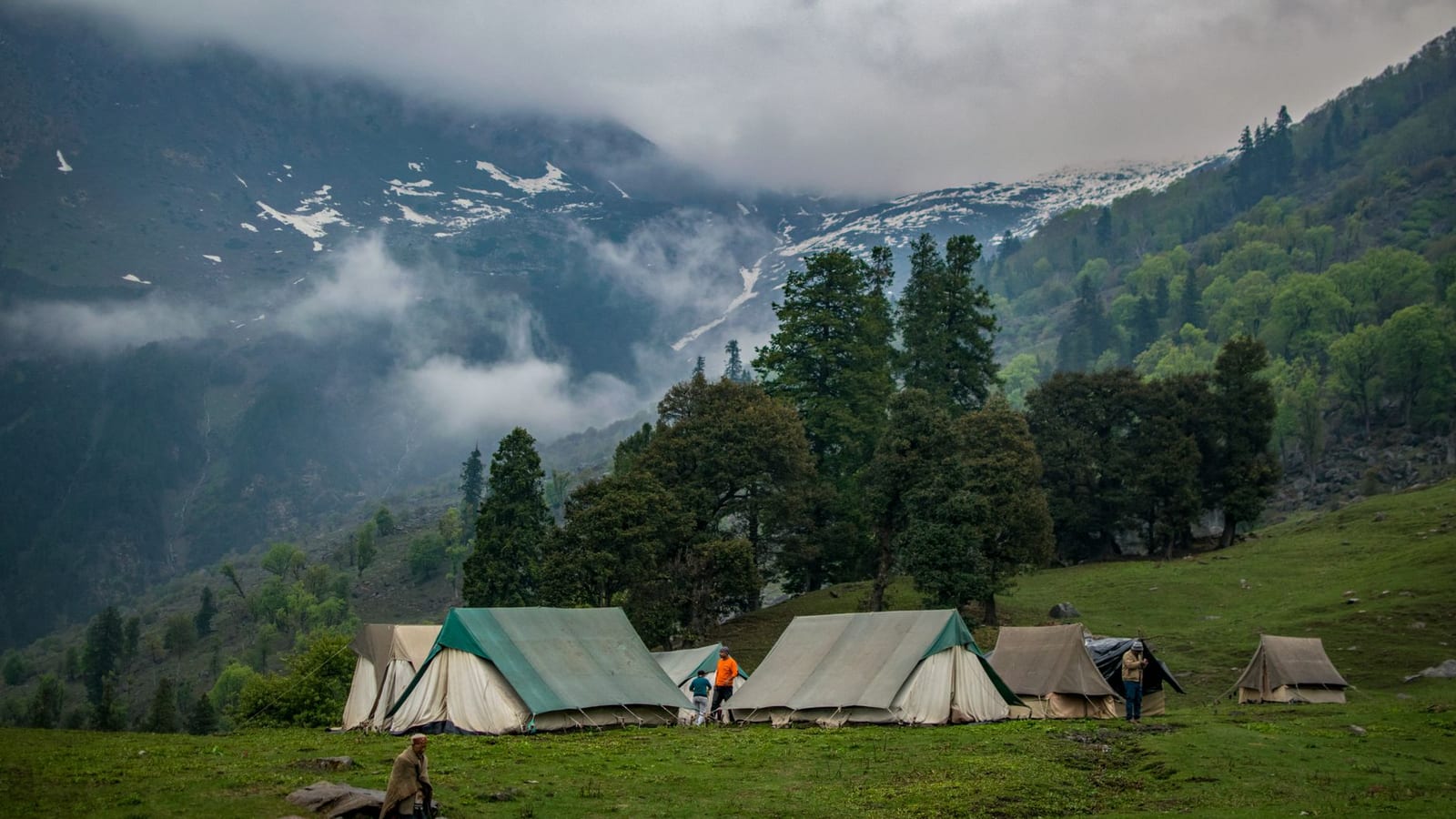
At 4 am, Kochi’s Vyttila Hub can feel half asleep. But in one corner, twenty strangers are already waiting with backpacks.
By afternoon, some of them may be trekking near Kolukkumalai. By night, they may be singing around a campfire with people they met before sunrise.
That, in short, is the new travel habit catching on across Kerala: organised trips where strangers sign up, travel together, and often return as friends.
Kerala’s stranger trips grow fast
Travel communities now run these “camp with strangers” trips from Kochi, Kozhikode, Thiruvananthapuram and Kannur. Most announce plans through Instagram pages and WhatsApp groups.
The idea is simple. You do not wait for friends to get leave. You join a group, pay a shared cost, and travel with unknown people.
For young workers, students and solo travellers, that solves a familiar Indian problem. Everyone wants to travel, but nobody’s dates match.
Organisers say demand has grown for hill camps, sunrise treks and weekend escapes. Popular Kerala routes include Kolukkumalai, Vattavada, Kanthalloor, Vagamon, Wayanad, Varkala and Alappuzha.
Some groups also take travellers from Kerala to Matheran, Spiti Valley, Kashmir and Manali. But the heart of the trend still sits in the Western Ghats.
How the trips actually work
Most trips start with a meeting point in the city. Some groups use KSRTC buses until a main town, then switch to jeeps.
Others book tourist buses, especially when the group is large. Sreenath G of Circuit with Strangers said they take teams of 49 by tourist bus.
The last stretch often brings the drama. Campsites may need off-road jeep rides, especially in the hills.
At the camp, people usually sleep in tents. Forest edges, riversides, beaches and mountain slopes are common settings.
The first few hours matter most. Organisers often use ice-breaking games to make people talk without making it awkward.
Some groups begin with meditation. Others bring a guitarist, so the mood settles before the group reaches camp.
Shahad Ibrahim, founder of Oppam, said people who first exchange shy smiles often leave with emotional goodbyes.
That may sound sentimental, but travel does this. Shared discomfort breaks social walls faster than a cafe conversation.
Budgets, rules and boundaries
The biggest draw is cost. When travellers split transport, stay and food, the price drops sharply.
That matters for young people who want frequent trips but cannot spend like luxury tourists. These are usually budget-friendly weekends, not plush holidays.
The rules change by organiser. Some groups ban alcohol and smoking. Others allow them within stated limits.
Oppam’s Shahad Ibrahim said his group strictly bans alcohol. He added that they hold only three or four camps a year.
Other organisers run trips at a much larger scale. Shahzad Ali, coordinator of Nadan Camp, said they arrange up to 300 trips a year.
He also said women get separate tents. That small detail matters, because mixed stranger travel needs clear comfort lines.
Achchu Helen of Travel Buddies said their groups include travellers from 14 to 80. Still, young people form the bulk.
She said organisers do not interfere in personal privacy. She also said some people who met on such camps later entered relationships.
That is exactly where this trend needs maturity. A trip can create friendship, but it must also respect distance.
Good groups understand this. They keep coordinators present, set conduct rules, and make personal boundaries clear.
Why young travellers are signing up
A decade ago, solo travel carried a certain anxiety in many Indian homes. Today, Instagram has normalised it.
But social media also created a strange loneliness. Many people have hundreds of online contacts, yet few real weekend companions.
Stranger trips fill that gap. They offer company without the pressure of existing friend circles.
For a young professional in Kochi, that can mean one easy decision on a Friday. By Saturday morning, the person is on a trail.
For a college student, it can mean a cheaper first taste of camping. For a working couple, it can mean a planned escape without planning everything.
These trips also create informal networking. People meet designers, coders, teachers, photographers, founders and nurses without entering a formal event.
That is not the main selling point, but it helps. Travel makes introductions feel less forced.
The better trips also push people away from phones. Trekking, campfires and shared meals give the screen a rest.
That may be the most modern part of the whole trend. People are paying to meet strangers offline.
Pick the organiser carefully
The romance of stranger travel should not hide the basics. Safety decides whether this trend grows well or turns messy.
Travellers should choose organisers with clear reviews, proper communication and visible trip rules. A cheap trip with vague details is not a bargain.
Ask about transport, stay, food, toilets, weather risks and emergency support. Also ask who coordinates the group on the ground.
Women travellers should check sleeping arrangements and group rules before paying. Families should check the age mix and activity level.
A sunrise trek sounds easy on Instagram. In real life, it can mean cold winds, slippery paths and early starts.
That does not make it unsafe. It only means travellers should know what they are buying.
Kerala’s stranger trips are really about a bigger shift. Young Indians want travel that feels social, affordable and less polished. If organisers handle safety and boundaries with care, these camps may become the new weekend adda. Not in a mall, not on a chat app, but under a tent, with strangers who no longer feel strange.