Vattavada farm stays draw tourists beyond Munnar
Kerala's Vattavada is drawing hill travellers with terraced vegetable farms, strawberry visits and strict daytime access near Munnar in Idukki.
Rain followed the car almost all the way to Vattavada. Then the road gave up.
The resort sat above a fierce climb, too steep for a regular car. A jeep came down, took the bags and passengers, and crawled back up.
That first small trouble tells you plenty about this village. Vattavada is beautiful, yes. But it asks visitors to slow down, walk carefully, and look closely.
Kerala’s vegetable village pulls crowds
Vattavada sits near Munnar, on the eastern side of the Western Ghats. It lies in Idukki district, close to Marayur, beyond Pampadum Shola National Park.
Travellers can use the forest route only during the day. Night travel is not allowed there. The usual permitted window runs from 6 am to 6 pm.
That matters for tourists who treat hill trips like flexible city drives. In Vattavada, timing is not a small detail. Miss the window, and plans can quickly fall apart.
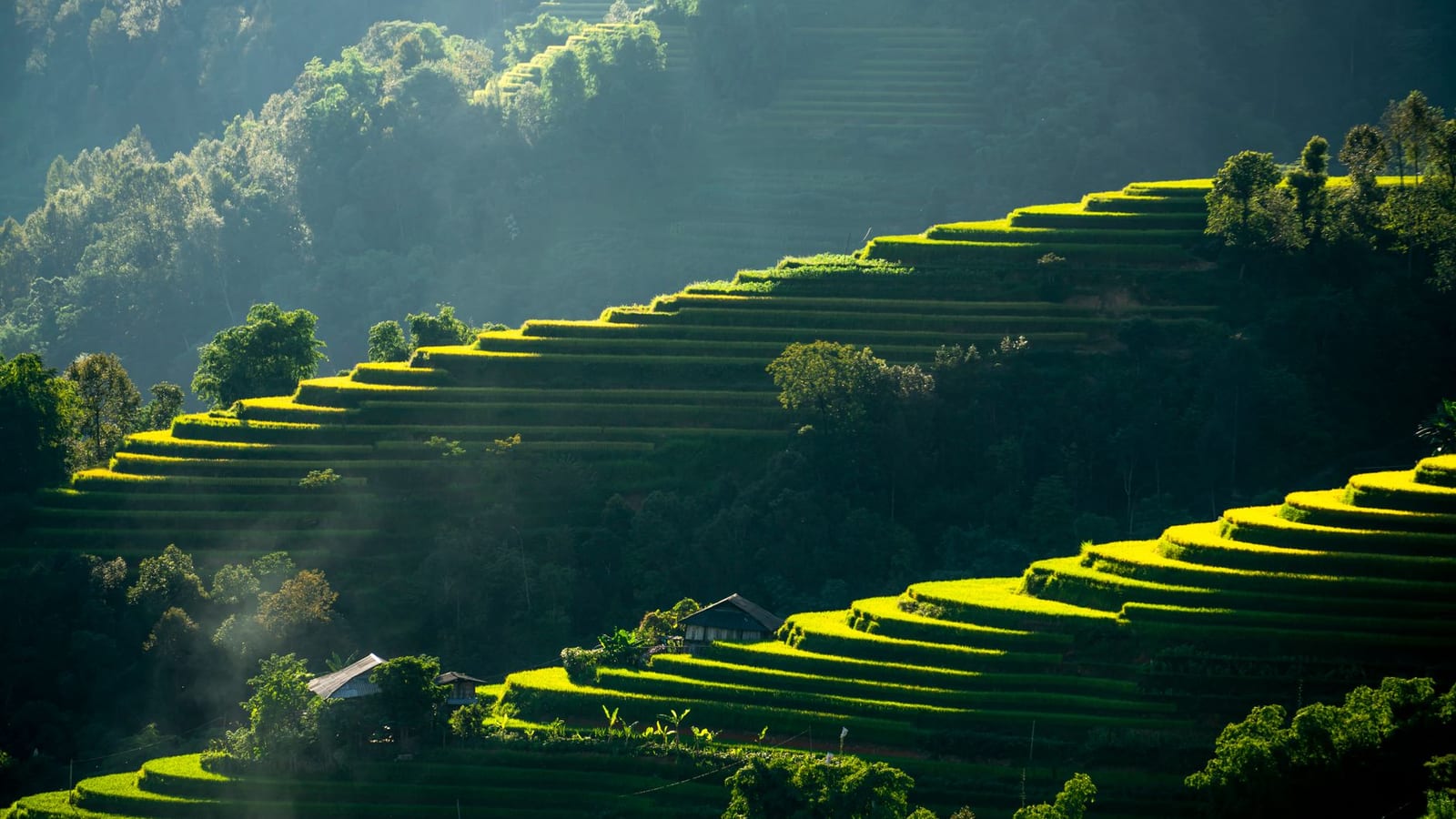
The village has long been known for vegetables. Cabbage, carrots, beans, garlic, broccoli and cauliflower grow on neat terraced slopes. Strawberries have become the tourist-facing star.
The farms now do more than feed markets. They feed a growing travel economy too. Resorts, jeeps, farm visits, honey museums and view points all sit around the same landscape.
Farms that reveal the real story
The most striking part of Vattavada is not a famous viewpoint. It is the farming itself.
On one slope, a small path cuts through the terraces. It is barely wide enough for one foot. Nothing lies wasted here. Every strip of land seems to carry some crop.
A young schoolboy named Abik was helping his uncle in the fields. He studied in Class 4. He had reached the farm early in the morning to help with work.
That detail stays with you. For many visitors, Vattavada is a weekend picture. For local families, it is labour, weather, prices and long days.
The family grew carrots and garlic. They used bulls to prepare the land. The old plough still matters here because it opens the soil deeply.
The money sounded far less romantic. Farmers said even Rs 10 for a carrot crop could mean profit. Anyone buying vegetables in a city market knows the strange gap here.
By the time carrots reach a metro kitchen, the price looks very different. The farmer sees one number. The customer sees another. Many hands stand between them.
Nearby, an elderly woman kept bending over the garlic patch, removing weeds. Abik called her his grandmother. The family expected to return home only after nightfall.
That is the human side hidden behind the pretty terraces. Travel makes the village visible. But the food economy still depends on hard, repetitive work.
Honey, strawberries and off-season prices
Vattavada now knows how tourists move. At many points, visitors meet people offering farm walks, viewpoints, waterfall routes or strawberry purchases.
The honey museum gives a neat introduction to bee varieties and honey production. It also works as a soft entry into the village economy.
From there, travellers hear about nearby waterfalls and off-road tracks. The temptation is obvious. Every turn seems to promise another view.
Strawberry farms remain a major attraction. Visitors can walk through the plants and sometimes pick fruit directly. But timing changes everything.
During the off-season, strawberries become scarce. In one farm account, the asking price touched Rs 600 a kilo. After bargaining, it dropped to Rs 400.
That may sound high to a traveller. But hill farming rarely runs on easy arithmetic. Bad weather, transport, small output and tourist demand all shape the final price.
For families travelling from Kerala or Tamil Nadu towns, this becomes part of the experience. They are not only sightseeing. They are buying into a local chain.
The smarter traveller should ask simple questions. Is it strawberry season? Can the car reach the stay? How steep is the last stretch? Are elderly parents comfortable walking?
Those questions matter more than any filtered photograph.
Kottakamboor shows the pressure
The route towards Kottakamboor shows both the charm and strain of Vattavada tourism.
The road narrows until only one car can pass. Houses sit close to the edge. A jeep coming from the opposite side can stop everyone.
In one village stretch, a local man helped guide traffic. He moved vehicles, gave directions and pointed visitors towards a waterfall.
He also walked with travellers towards a viewpoint and spoke about the farms and resorts. He asked for no money. Without him, they may have missed the best view.
That says something about Vattavada. Tourism here has not become a polished machine. It still runs on local instinct, goodwill and quick problem-solving.
But the pressure is visible. Traffic blocks form easily. Residents sometimes cannot step out freely because cars crowd the lanes near their homes.
The village appears to manage the chaos itself. Young men help clear jams. Locals guide drivers through tight spaces. Nobody seems eager to pick a fight with tourists.
Yet patience should not become policy. If visitor numbers keep rising, Vattavada will need better traffic control, parking, waste handling and walking routes.
Small hill villages across India know this pattern well. First come the travellers. Then come homestays, taxis and weekend crowds. After that, the village asks what it has lost.
What travellers should know
Vattavada is about 45 km from Munnar. That distance can feel longer because the road demands attention.
The route passes through forest and highland sections. Travellers should start early, carry water, and avoid assuming late-evening movement will be allowed.
Key places include the honey museum, Pazhathottam viewpoint, Tiger Caves, Koviloor village, Chilanthiyar waterfall, Silver Falls, Kottakamboor, Palikallu viewpoint and strawberry farms.
But the best plan is not to chase every name. Pick fewer stops and give them time. This is not a checklist destination.
Visitors with older family members should check walking distances before committing. Some viewpoints involve steep descents or climbs. Slippery paths can become risky in rain.
The same advice applies to cars. Many resort approaches are steep. Some roads need local jeeps. A confident highway driver may still struggle on these slopes.
Vattavada rewards travellers who arrive with respect, not hurry. Its beauty sits in mist, farms, waterfalls and sharp bends. Its future sits with people who live there, long after the weekend traffic leaves.