Brent crude slide eases pressure on rupee inflation
Lower Brent crude after a pause in Middle East tensions may ease India's import bill, rupee pressure and fuel-led inflation risks for consumers.
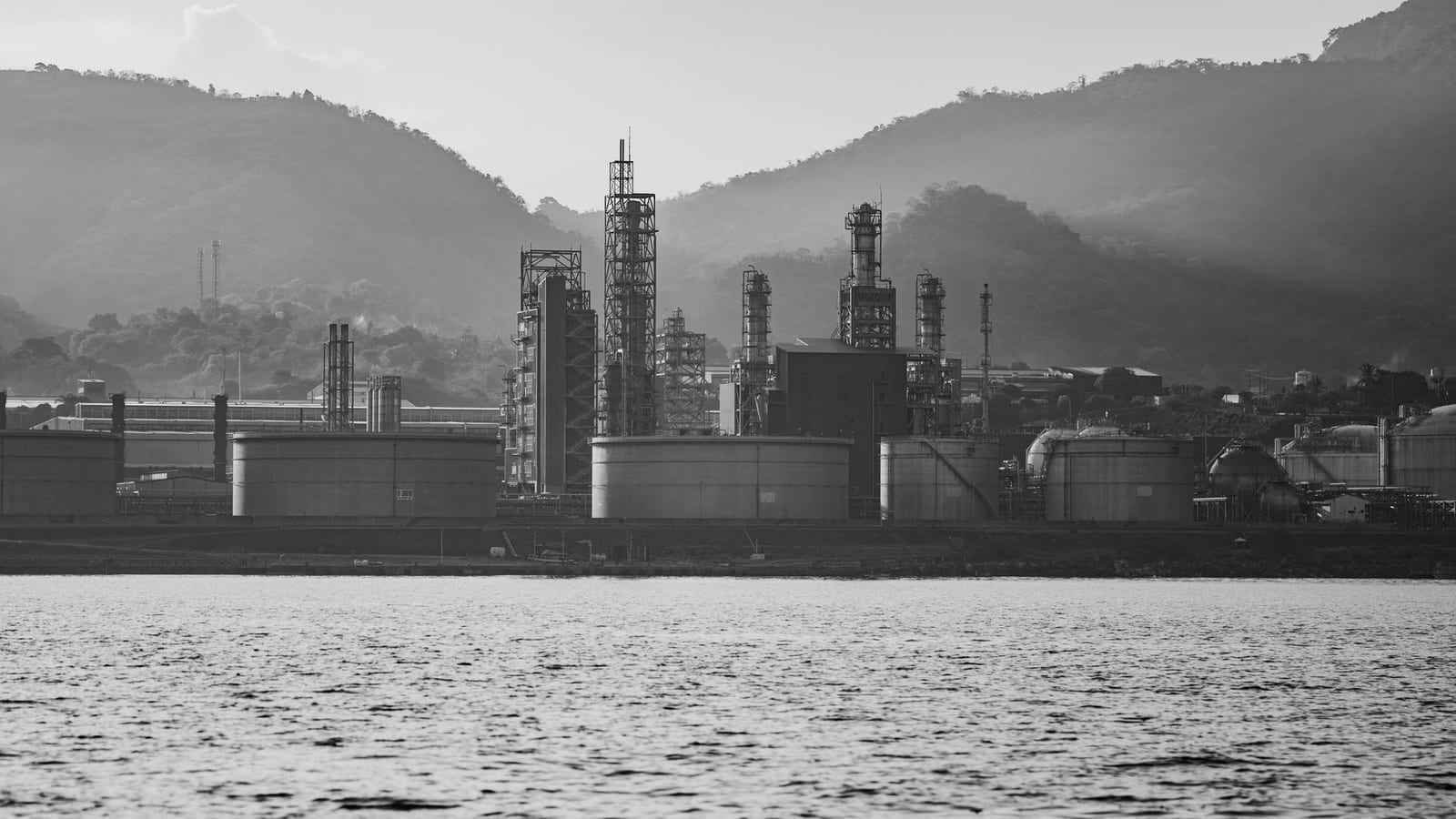
A falling oil price can feel distant until you remember India buys most of its crude from abroad.
Brent crude dropped 8 percent to about $89 a barrel on Monday, after the United States paused its strikes on Iran. The dollar also softened a little, as traders took a breath before a packed week of central bank meetings.
For India, this is not just a Wall Street story. It touches the rupee, petrol prices, airline costs, foreign investors, and even the monthly grocery bill.
Oil relief comes with fine print
Brent crude fell $7.78, or 8 percent, after the pause in the Middle East conflict eased supply fears. Tehran also indicated it would stop attacks if the US pause continued.
That gave markets a simple reason to smile. When oil falls, countries like India get breathing room. India imports roughly four-fifths of its crude oil needs, so every sharp move matters.
A lower oil bill can reduce pressure on the rupee. It can also help the government manage inflation without constantly worrying about imported fuel costs.
But this relief has a warning label. Oil is still around $89 a barrel, not exactly cheap. If fighting resumes, traders can price fear back into crude within hours.
Why India watches every barrel
For Indian households, crude oil does not arrive as a barrel. It arrives as petrol, diesel, LPG, air tickets, delivery charges, and packaged goods.
Diesel sits inside almost every price in India. Trucks move vegetables, cement, biscuits, paint, medicines, and online orders. When diesel costs rise, companies rarely absorb the pain forever.
They pass some of it to consumers. That is inflation pass-through, in simple words. One cost increase travels through the supply chain and lands on your bill.
Aviation feels it faster. Jet fuel forms a big part of airline costs. If crude stays high, airlines either raise fares or cut discounts. That hurts business travellers first, then holiday flyers.
FMCG companies also watch crude closely. Plastic packaging, transport, and energy costs all link back to oil. A shampoo sachet or snack packet may look small, but its cost chain is long.
Dollar softness helps the rupee
The US dollar traded softer against the euro and the yen on Monday. The euro rose as much as 0.4 percent before giving up most gains, while the dollar slipped 0.1 percent to 163.74 yen.
For India, a softer dollar usually helps. It can ease pressure on the rupee and make imports cheaper in rupee terms.
That matters because India pays for crude in dollars. If the rupee weakens, the same barrel costs more even if oil prices stay unchanged.
A calmer dollar can also lift sentiment in Indian equities. Foreign portfolio investors often prefer emerging markets when the dollar cools and US yields stop rising sharply.
But the comfort may not last. US bond yields did not fall as much as yields elsewhere, which still gave the dollar some support.
Fed risk keeps investors cautious
The next big trigger is the Federal Reserve meeting on July 28 and 29. Traders now see about a one-in-three chance of a 25 basis point rate hike.
A basis point is one-hundredth of a percentage point. So 25 basis points means a quarter percentage point increase.
That probability has eased from 37 percent late last week. Yet it remains roughly double the level seen a week earlier, based on CME Group’s FedWatch tool.
This is where Indian investors need to pay attention. If the Fed sounds hawkish, US yields can rise again. A hawkish Fed means it cares more about fighting inflation than supporting growth.
That often pulls money away from emerging markets. FPIs may sell Indian shares, especially if valuations already look stretched.
The market will also watch US second-quarter GDP and core PCE inflation this week. Core PCE is the Fed’s preferred inflation gauge. It strips out food and energy to show the underlying price trend.
Yen weakness adds another signal
The Bank of Japan also meets this week, with the yen near multi-decade lows against the dollar. Traders are watching whether Japan signals more rate hikes or currency support.
This may sound far from Dalal Street, but currency stress travels. If Japan intervenes, or if global yields swing, risk appetite can shift quickly.
The Bank of England also meets this week. It faces fresh inflation worries from oil, even as markets expect it to hold rates steady.
For India, the big picture is clear. Lower oil helps, a softer dollar helps, but central banks can still spoil the party.
Retail investors should not read one day’s crude fall as a clean all-clear. The smarter question is whether oil stays lower, the rupee stays stable, and foreign money keeps flowing into Indian stocks.
For ordinary Indians, the best outcome is boring: cheaper crude, a steady rupee, and no fresh inflation shock. Markets love drama, but household budgets prefer calm.