Katni seals shops as dues reveal small-town strain
Katni authorities sealed a beer bar and six shops over unpaid dues, reflecting tighter cash flows and rising stress for small-city businesses.
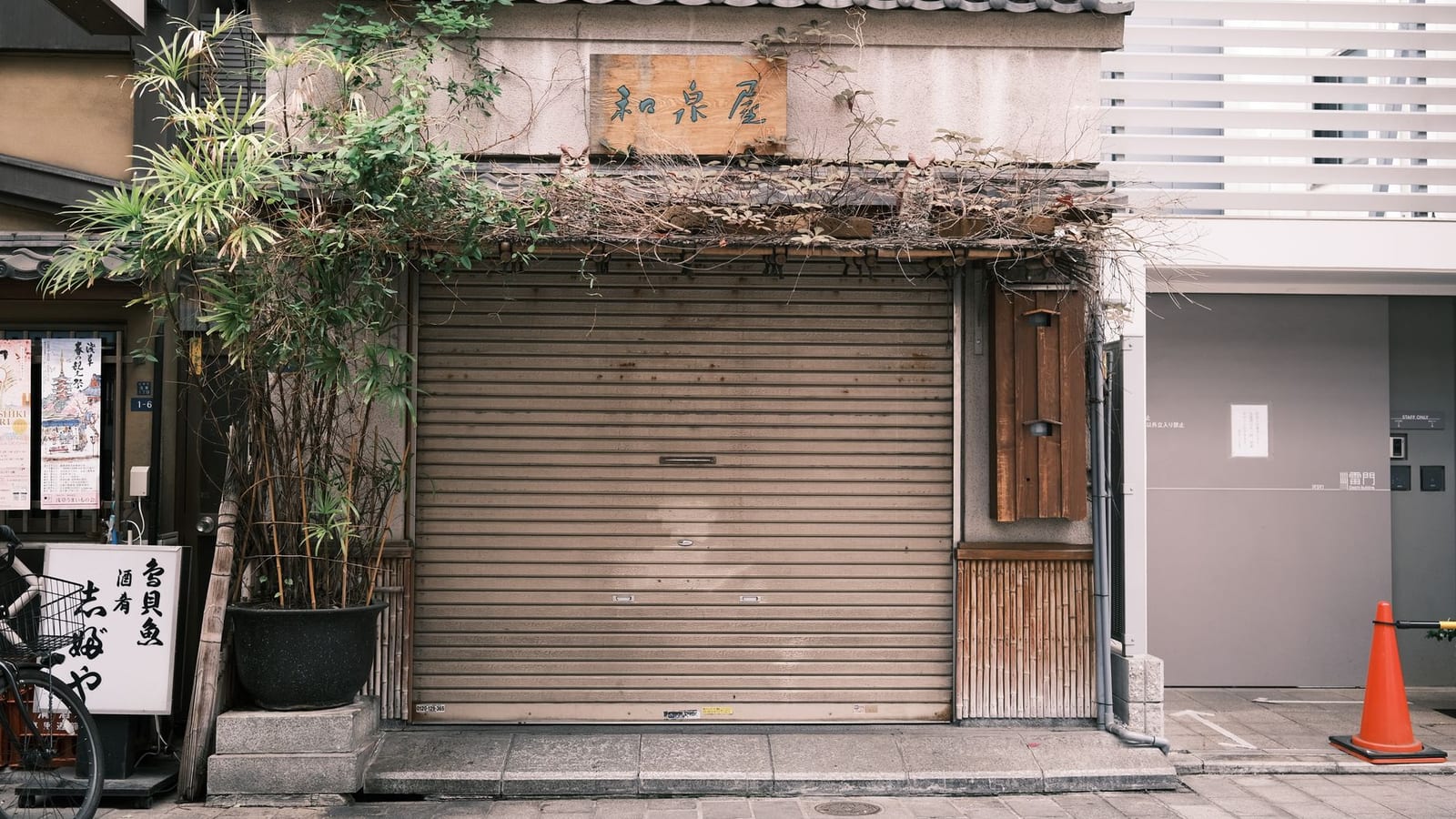
A sealed beer bar in Katni and angry farmers in Mandsaur tell the same small-town story: money is tight, and patience is thinner.
Across several local updates from Hindi-speaking states, the headlines look scattered at first. A recovery action here. A crop insurance protest there. A fuel-related political stir somewhere else. But put them together, and a familiar picture appears.
For ordinary Indians, the economy is not an abstract chart. It is a shop shutter, a delayed payout, a loan EMI, a fuel bill, or a wage argument that turns ugly.
Katni shops face recovery heat
In Katni, authorities sealed Junction Beer Bar and six other shops over unpaid dues of ₹1.59 crore. Officials also warned of attachment action if the arrears remain unpaid.
That number matters because it is not just a line in a government file. A sealed shop means no daily sales. It means workers may lose wages. Suppliers wait longer for payments. Small traders nearby also feel the chill.
In many smaller cities, local businesses run on thin cash flows. Rent, licence fees, stock payments, staff salaries and local taxes all arrive with clockwork cruelty. Sales, however, do not.
Recovery drives often come after repeated notices. Governments need their dues too. Municipal bodies and local departments depend on such revenue to run basic services.
But the sudden sealing of shops also raises a practical question. When businesses already struggle, does closure improve recovery, or does it kill the very income stream that could repay the dues?
For a bar, restaurant, or retail outlet, reputation matters. Once a shutter comes down with an official seal, customers remember. Even after reopening, trust does not return overnight.
Mandsaur farmers question insurance payouts
In Mandsaur, farmers protested over crop insurance payments. They alleged that some received only ₹50 to ₹200 per bigha.
For a city reader, that may sound like a small accounting dispute. For a farmer, it can feel like an insult after a bad season.
A bigha is a local land measure, and its size changes by region. But the basic point is simple. If a farmer loses crop value worth thousands, a payout of a few hundred rupees barely covers diesel for one trip to town.
Crop insurance exists to soften the blow when weather, pests, or disease damage the harvest. It should work like a cushion. Too often, farmers experience it like paperwork.
The pain does not stop at the farm gate. When farmers receive low payouts, they cut spending. They delay buying seeds, fertiliser, clothes, farm tools, or household goods.
That hits local markets. A trader in a mandi town depends on farm incomes. A mechanic, a seed shop, a transport worker, even a small eatery near the market, all depend on rural cash moving again.
This is why crop insurance disputes deserve more attention than they get. They are not just rural complaints. They are early warnings about demand in India’s small-town economy.
Fuel anger finds a political route
Another update pointed to protests around E20 petrol, after earlier student-led anger over paper leaks. The details remain limited, but the issue has already entered public politics.
E20 petrol means petrol blended with 20 percent ethanol. Ethanol usually comes from sugarcane, maize, or other farm produce. The policy aims to cut crude oil imports and support domestic fuel blending.
On paper, it sounds neat. India imports a large share of its crude oil. Any reduction helps the country’s foreign exchange bill.
But consumers look at fuel through a simpler lens. Will my vehicle run properly? Will mileage fall? Will maintenance costs rise? Will I pay more without fully understanding why?
That anxiety is real, especially for two-wheeler owners, cab drivers, delivery workers, and small transport operators. Their vehicle is not a lifestyle item. It is an earning machine.
If mileage drops even slightly, the monthly budget changes. A delivery worker may need more fuel for the same number of trips. A small trader moving goods between towns may see costs rise quietly.
The government and oil companies need clear communication here. People do not reject change only because they dislike policy. They push back when costs reach them before explanations do.
Local distress has many faces
The same cluster of updates also carried darker stories from Bihar, Uttar Pradesh and Madhya Pradesh. A missing young man was found dead in a canal in Bhojpur. A woman was killed in Morena. A wage dispute in Mandla reportedly ended in a man’s death.
These are not business stories in the narrow sense. Yet they show the pressure inside local society.
When wages become a flashpoint, the economy has entered the home. When land or family property disputes turn violent, assets are no longer just assets. They become survival.
A separate update from Kanpur described a woman stopping her husband’s second marriage at a wedding hall. That, too, may sit outside business news. But anyone who has seen family disputes knows money usually sits somewhere in the background.
Small-town India does not divide life into neat categories like policy, crime, business and society. A failed crop affects a wedding. A sealed shop affects school fees. A wage fight affects household food.
This is why local news often gives a sharper reading of the economy than a polished corporate presentation. It shows where stress first leaks out.
The numbers need plain answers
The biggest lesson from these updates is simple. People can absorb hardship better when systems feel fair.
If a business owes ₹1.59 crore, authorities should recover it. But the process must be transparent, predictable and proportionate.
If farmers receive ₹50 to ₹200 per bigha under crop insurance, officials must explain the calculation in language farmers understand. Was the loss assessment low? Was the land record wrong? Was the claim partly rejected?
If E20 petrol changes how vehicles perform, consumers need straight answers. They need to know which vehicles can use it safely, and what costs may follow.
India’s growth story still runs through such towns. Not only through stock markets, airports and software campuses. The next few months will show whether local administrations can solve these frictions before they become wider anger. For ordinary readers, the message is clear: the economy is closest when it reaches your shop shutter, your field, your bike tank, or your monthly budget.