Maharashtra Monsoon Reaches Vidarbha but Dams Stay Low
Monsoon rains have reached Vidarbha after a delay, but low dam levels, water stress and disrupted roads keep Maharashtra officials under pressure.
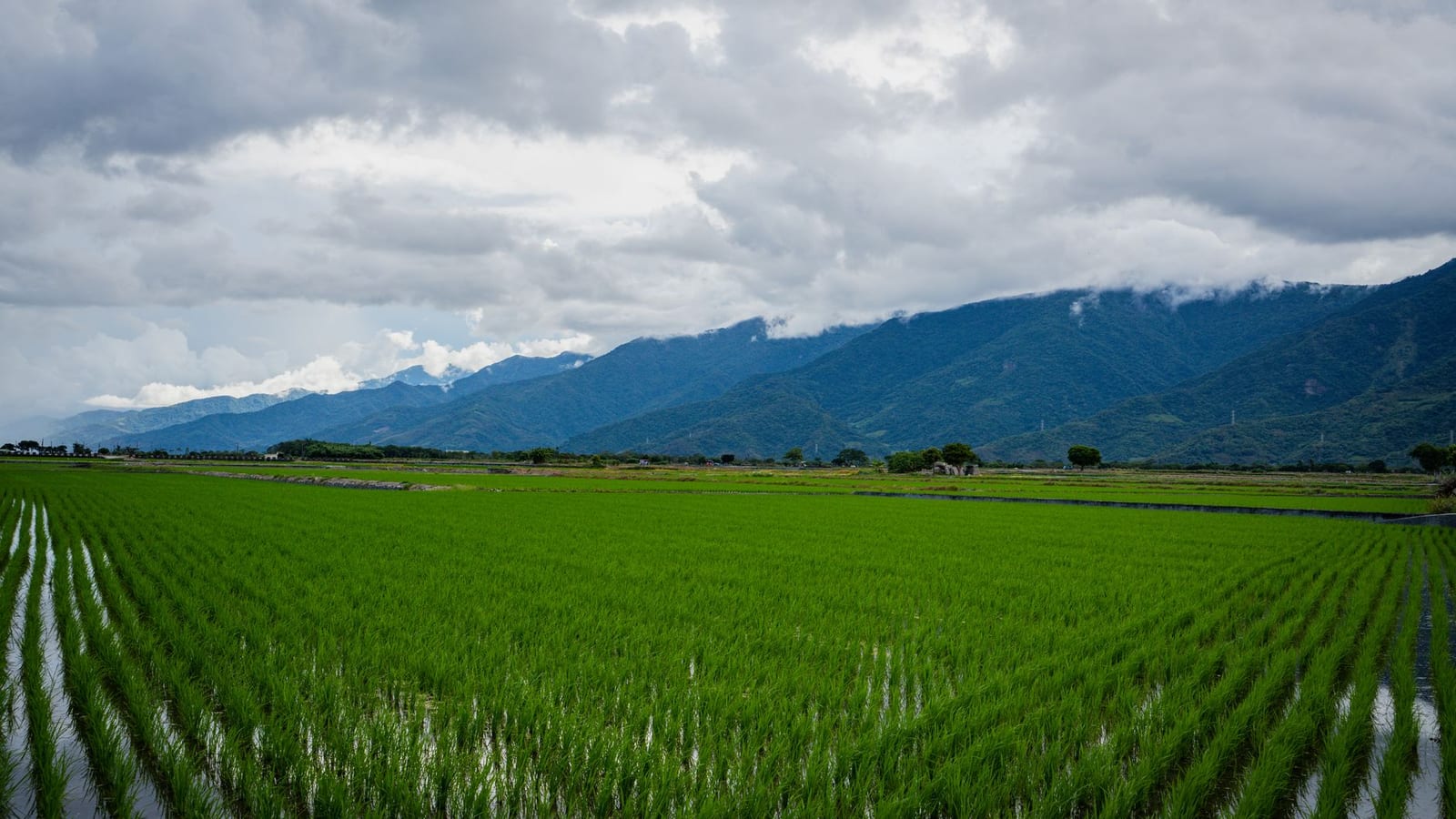
The rain has finally arrived, but Maharashtra is not breathing easy yet.
In Vidarbha, the monsoon covered the region within 24 hours after reaching on June 23. That sounds like relief. For farmers waiting to sow, families storing water, and shopkeepers watching footfall, it is.
But the state’s story this week is not only about rain. It is about the gap between arrival and recovery. Dams are still empty in parts. Roads are choking after showers. Prices are rising in small businesses. Public officials are being pushed to act faster.
Vidarbha gets its monsoon break
The monsoon’s quick spread across Vidarbha has changed the mood in eastern Maharashtra. After a delay of about a week, the rain system moved across the region and then pushed towards Madhya Pradesh and Gujarat.
For farm households, this timing matters. A late monsoon does not just delay sowing. It also changes spending decisions. Seeds, fertiliser, diesel, and labour all depend on confidence that rain will hold.
The final week of June may now help reduce the rainfall gap. But one good spell cannot settle the season. Farmers know this better than anyone. They need regular rain, not one dramatic burst.
The bigger concern sits in water storage. State officials have warned that 26 dams have hit zero water stock. Many villages already depend on tankers. If rainfall stays uneven, rural distress may deepen before July brings steadier showers.
Empty dams keep pressure high
Water shortage in Maharashtra rarely arrives as a headline one day. It builds slowly. A dry well here. A delayed tanker there. A school adjusting timings. A family cutting use before guests arrive.
That is why the dam numbers matter. When 26 reservoirs run dry, the problem moves beyond inconvenience. It hits drinking water, livestock, small farms, and local construction work.
Cities often notice shortages late because pipes hide the stress. Villages feel it first. Tanker supply becomes a daily negotiation. Local officials must decide which hamlet gets water first, and how often.
The arrival of rain in Vidarbha helps, but it does not refill dams overnight. Catchment areas need sustained rainfall. Soil must first absorb water. Only then do streams and reservoirs begin to recover.
This is where monsoon management becomes more than a weather story. It becomes governance. Maharashtra’s next few weeks will test how quickly district teams can move from tanker relief to storage recovery.
Pune traffic exposes urban strain
In Pune, rain brought a different kind of trouble. Hadapsar saw traffic stuck for nearly eight hours after breakdowns and wet roads disrupted movement.
Police and civic authorities often blame poor driving during such jams. There is truth there. When motorists push ahead with an “I first” mindset, one blocked lane becomes three blocked lanes.
But that is only half the story. Pune’s roads carry far more vehicles than they were built for. IT parks, housing clusters, delivery fleets, buses, two-wheelers, and autos all compete for space.
Rain exposes every weak point. A stalled vehicle becomes a crisis. A waterlogged patch slows an entire corridor. One impatient turn blocks a junction for thousands.
For office workers, this means missed shifts and late logins. For small traders, it means delayed supplies. For ambulance drivers, it can mean the worst kind of waiting.
Urban Maharashtra cannot treat monsoon traffic as a seasonal irritation anymore. It needs better drainage, faster breakdown response, stricter junction control, and real-time public warnings.
Public services face sharper checks
The week also saw action in health and public services. In Baramati, Sunetra Pawar made a surprise visit to a hospital and expressed anger over gaps in its functioning. Within 16 days, officials linked to the facility were transferred.
Such visits make headlines because they feel direct. Citizens like seeing powerful people walk into public institutions without advance notice. But the real test comes later.
Transfers can send a message. They do not automatically fix staffing, medicine supply, sanitation, or patient flow. Hospitals improve when inspections become routine, not performative.
In Yavatmal, children with hearing loss received better news. A cochlear implant surgery that can cost around Rs 7 lakh will be provided free for eligible children under the Rashtriya Bal Swasthya Karyakram.
That is not a small intervention. For a child with severe hearing trouble, early surgery can shape speech, schooling, and confidence. For parents, the cost often decides whether treatment happens at all.
The benefit applies to children up to two years old under the programme. That age limit matters because doctors usually prefer early intervention. The sooner a child hears sounds clearly, the better the chance of normal language development.
Small orders, real household impact
In Mumbai, Tukaram Mundhe issued an order asking hotels, restaurants, and dhabas to provide free drinking water to customers.
On paper, this may look minor. In daily life, it is not. A family eating at a roadside place, a delivery worker stopping between trips, or a traveller at a highway dhaba should not have to buy packaged water every time.
The order also reminds businesses that basic hospitality still matters. Restaurants can charge for food, ambience, service, and convenience. Safe drinking water sits in another category.
In Gondia, inflation has reached tailoring shops. Tailors have decided to raise stitching charges by around 5 to 10 percent. They cited higher fuel costs, electricity bills, rent, wages, and material prices.
This is how inflation travels quietly. It does not remain inside fuel pumps or wholesale markets. It enters the cost of a school uniform, a formal shirt, a wedding blouse, and a repaired pair of trousers.
Customers may delay stitching or bargain harder. Tailors may still struggle because their own costs have already risen. In small towns, both sides of the counter feel the squeeze.
Maharashtra also reported crime and policing updates. In Kedgaon, police arrested two more people in an illegal sex determination case and secured custody till June 27. Yavat police warned that those helping accused persons or hiding financial dealings would face strict action.
In Nagpur, police exposed an alleged extortion attempt where accused persons posed as journalists and one claimed to be linked to the crime branch. A shopkeeper’s alertness helped bring the matter out.
For schools, the education department has introduced a 21-day bridge course for Classes 3, 4, and 6 before new textbooks under the revised syllabus begin. This is a sensible cushion. Children often face curriculum changes before teachers and parents fully understand them.
Maharashtra’s week, then, is a reminder that public life moves in layers. Rain reaches the fields, but dams still need filling. Orders get issued, but delivery decides their value. Prices rise quietly, while households adjust without drama. The monsoon may bring relief, but the real question is whether the state can turn that relief into lasting ease for ordinary people.