Pune unsold homes hit Rs 92,110 crore as supply jumps
Pune home sales rose 7%, but launches grew faster, pushing unsold inventory to Rs 92,110 crore across 86,954 homes, Gera says.
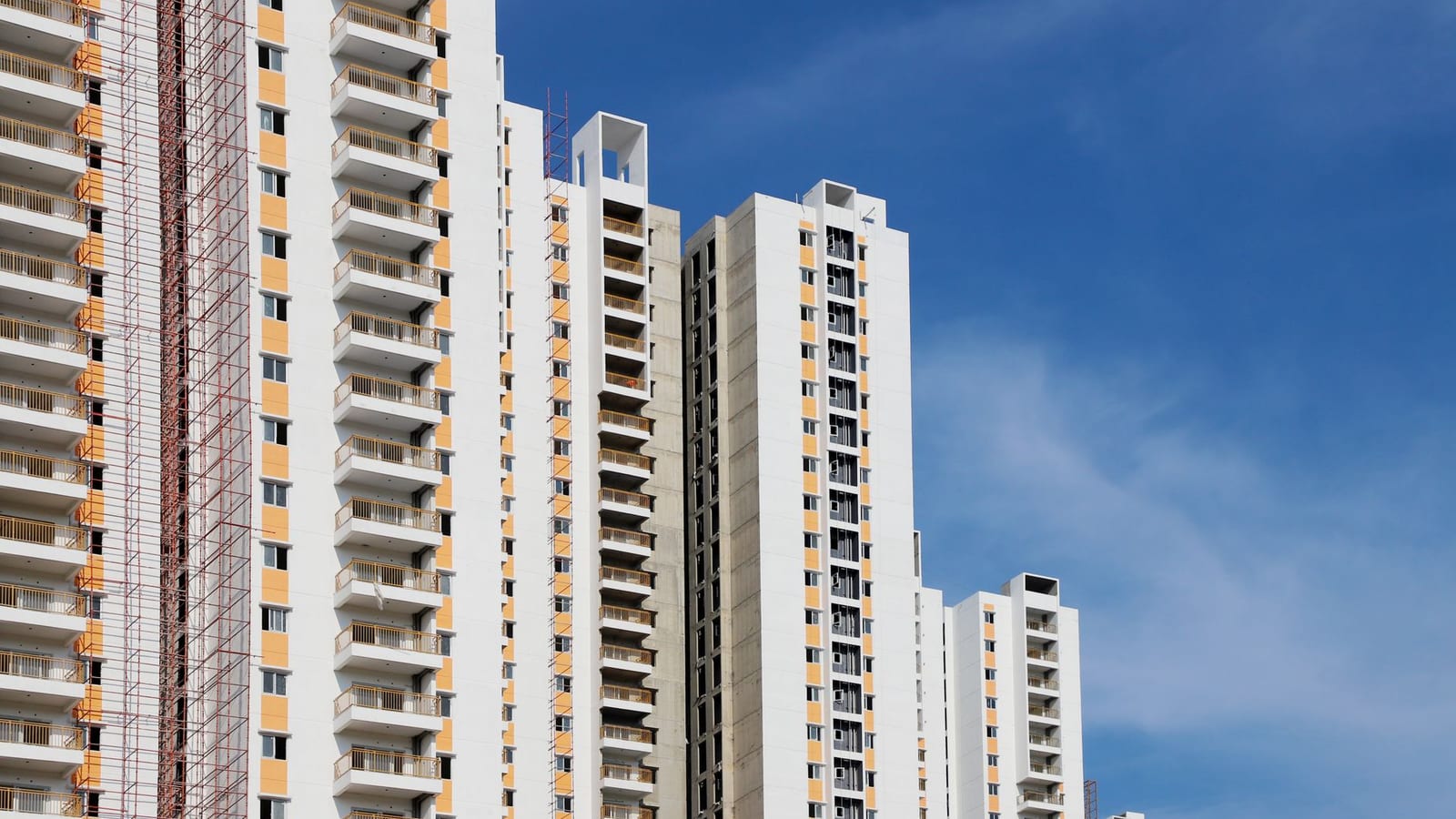
₹92,110 crore is a large number for homes that still need buyers. In Pune, it now sits inside towers, brochures, sample flats, and project plans waiting for signatures.
That is the odd part of this story. The Pune housing market is not weak on paper. Homes are selling again after three slow years.
But builders have launched even more homes than buyers have picked up. That is where the real tension begins.
Sales recover, but supply runs ahead
The July 2026 Pune Residential Realty Report by Gera Developments Private Limited shows home sales rose 7 percent in the 12 months ended June 2026.
Sales moved from 86,666 units a year earlier to 92,341 units. That is a clear recovery, especially after three years of falling sales.
Yet developers launched 101,085 new homes in the same period. New supply grew 14 percent, twice the pace of sales growth.
Put simply, Pune sold more homes, but builders added even more to the shelf.
The report puts the value of unsold homes at ₹92,110 crore, up 28 percent from a year earlier. Unsold stock stood at 86,954 homes across 2,925 active projects.
For a buyer, that means more choice. For a developer, it means cash can get stuck in cement, steel, land, and marketing.
Bigger homes change the market
The Pune housing market is no longer being driven only by the first flat buyer. The report shows a clear shift towards larger homes.
The average home size touched 1,275 sq. ft., a record for the city. Homes in the 1,401 to 1,600 sq. ft. range grew 33 percent.
The 1,201 to 1,400 sq. ft. category also grew 17 percent. These are not starter homes for most salaried families.
At the same time, the 600 to 800 sq. ft. segment fell 19 percent. That smaller-home category has now declined for seven straight years.
Rohit Gera, Managing Director of Gera Developments, said demand has moved away from compact homes towards larger formats.
That tells us something important. The current recovery comes from upgraders, not just new entrants.
These are likely households that already own a home and want more space. Work-from-home habits, children needing rooms, and better amenities all matter now.
But this shift also raises a question. If first-time buyers keep stepping back, the market cannot depend forever on upgrades.
Prices cool, salaries catch up
There is one genuinely useful signal for buyers. Pune home prices are still rising, but more slowly than before.
The citywide average rate touched ₹7,082 per sq. ft. Prices rose 4.8 percent year-on-year, down from 7.3 percent earlier.
That means homes did not become cheap. They simply stopped becoming expensive so quickly.
The report says income growth was around 5.9 percent. For the first time in five years, salaries grew faster than home prices.
Its affordability index eased to 3.94 times annual income from 3.98 times. In plain English, a typical home now costs just under four years of income.
That does not mean a young couple can buy without worry. Home loans still decide the kitchen-table budget.
A higher EMI can delay children’s schooling plans, a second car, or support for parents. Housing is never just a real estate number.
Still, slower price growth gives buyers breathing room. It also gives them room to negotiate on payment plans, parking, and other extras.
Premium stock carries the strain
The biggest pressure sits in the upper end of the market. The report says the Premium Plus segment has 13.5 months of inventory.
Inventory overhang means how long it would take to sell existing stock at the current sales pace. So 13.5 months means a long queue.
Budget homes had the tightest overhang at 10.1 months. That shows affordable demand has not vanished, even if launches have shifted upwards.
The replacement ratio also tells the story neatly. It stood at 1.09, which means more homes entered the market than got sold.
That may sound small. But in real estate, small gaps pile up fast because projects take years and huge capital.
If this continues, developers may face slower cash flows. That can hurt construction speed and project delivery.
This is the part buyers must watch closely. A discount means little if the developer lacks the balance sheet to finish on time.
RERA has improved disclosure in the sector. But buyers still need to check approvals, delivery history, debt signals, and past handovers.
What this means for buyers
For ordinary buyers, the Pune housing market now offers both opportunity and warning.
More unsold stock can improve bargaining power. A buyer may get better terms in projects where inventory sits heavy.
But the best deal is not always the lowest quoted price. A delayed project can cost more through rent, interest, and stress.
Construction costs also remain a pressure point. Rohit Gera said material and labour costs remain above earlier levels, even after some easing.
That matters because developers may resist deep price cuts. Some may offer softer payment terms instead of lowering the headline price.
Buyers should read that carefully. A flexible payment plan helps only if the final cost and delivery timeline make sense.
For developers, the message is sharper. Pune does not need a race to announce more towers.
It needs launches that match real demand, especially from salaried buyers who watch every EMI.
Pune’s housing story is not a crash story. It is a caution story with a window of choice. Buyers have more options than before, but they must ask harder questions. Builders have demand, but not a blank cheque. The next few quarters will show who understood that balance, and who simply mistook a recovery for a licence to build endlessly.