Surat Rs 2.67 crore gold theft puts lockers under lens
A Surat safe house operator, his sons and a locker breaker are accused in a Rs 2.67 crore gold theft, raising concerns over locker security.
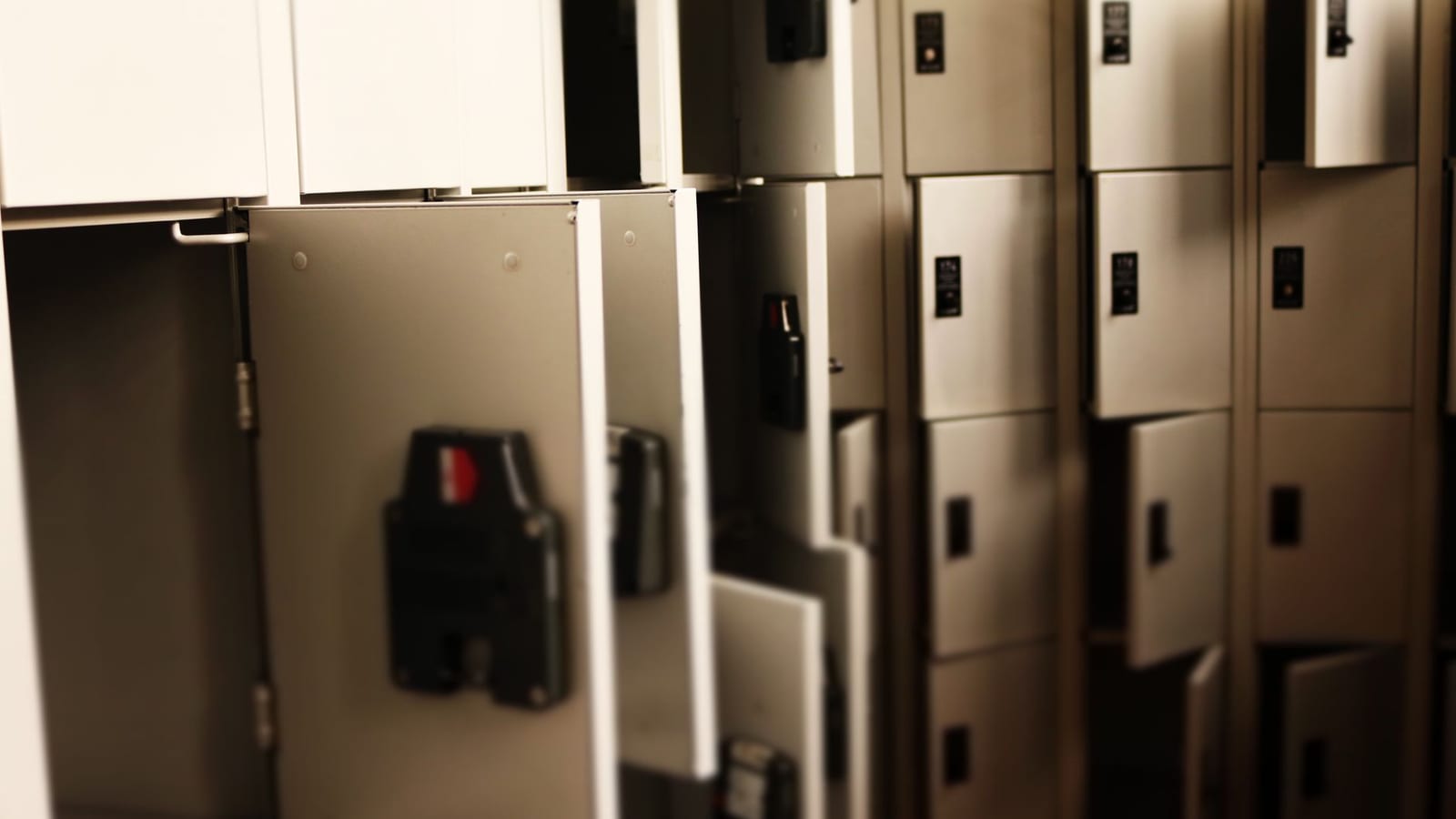
A locker is supposed to be where anxiety goes to sleep. In Surat, that promise has cracked.
A theft of 206 tolas of gold, valued at about ₹2.67 crore, has been reported from Nakshatra Safe House in Surat. The allegation is sharper than an ordinary break-in. The safe house operator, his sons, and a locker breaker are accused of plotting the theft together.
For locker holders, that is the real shock. If the person guarding the vault becomes part of the risk, the whole idea of safe storage starts looking fragile.
Locker trust takes a hit
Gold in India is never just an asset. It is wedding security, emergency money, family memory, and quiet financial insurance.
That is why locker thefts hit differently. A share price loss hurts, but a missing gold chain often carries a family story. In business terms, this is a trust failure. In human terms, it feels like betrayal.
The reported theft involves 206 tolas of gold. One tola is about 11.66 grams, so this is a large holding by any household standard. At ₹2.67 crore, the case is no small local crime story.
The details say locker holders rushed to two branches after the news spread. Builders were among those worried about their holdings. That tells us this was not only a middle-class savings issue. It also touched people who use private lockers for business-linked assets.
Private lockers face hard questions
Many Indians use bank lockers because they trust banks, even if the paperwork is often tedious. Private locker facilities fill a different gap. They promise easier access, more convenience, and sometimes more privacy.
But convenience has a cost. Customers often do not ask enough questions before handing over valuables. Who controls the keys? Who audits access? Are CCTV records stored safely? What insurance exists if staff misuse their position?
These are boring questions until something goes wrong. Then they become the whole story.
The Surat case raises one uncomfortable point. A strong door alone does not make a safe business. The chain of trust matters more. That chain includes owners, staff, access logs, contractors, and any outside technician called to open lockers.
A locker breaker, by itself, is not suspicious. Such specialists help when customers lose keys or lockers jam. But if such a person works with insiders, the security system can turn against customers.
Gold remains India’s comfort asset
This case comes at a time when families still see gold as a dependable fallback. People may invest in mutual funds, buy insurance, and use digital payments. Yet gold remains the asset many households trust most in a crisis.
That trust is cultural, but it is also practical. Gold is easy to pledge, easy to sell, and understood across income groups. A small trader, a salaried family, or a local builder may all keep it as backup.
The problem is storage. Keeping gold at home invites theft. Keeping it in a locker creates dependence on an institution. When that institution fails, customers feel trapped between two bad options.
For ordinary locker users, the lesson is not to panic. It is to document everything. Customers should keep updated lists, purchase bills where available, photographs of jewellery, and written locker agreements. These records matter when compensation, police action, or insurance claims enter the picture.
The business model needs scrutiny
The private locker business runs on one simple promise: we will protect what matters to you. If that promise weakens, the sector needs tighter discipline.
This does not mean every private locker operator is unsafe. It does mean customers must stop treating glossy premises as proof of security. A clean reception area tells you nothing about internal controls.
The real test is process. Does the facility record every visit? Does it require two-person access for sensitive operations? Are repairs and locker openings documented? Does management separate customer service from vault control?
Regulators and local authorities may also need to look closer at such facilities. India has clear rules for banks, but private safekeeping services often live in a greyer zone. When crores of household wealth sit in these lockers, loose oversight becomes a public risk.
For businesses, especially builders and traders, the warning is sharper. Informal storage habits may feel convenient. But when disputes arise, informal systems leave everyone exposed.
Customers will want answers
The immediate concern in Surat will be recovery of the stolen gold and accountability for those accused. Locker holders will also want clarity on whether their own valuables remain safe.
That anxiety can spread fast. One theft in one city can make customers across other private facilities check their lockers the next morning. Trust, once dented, travels faster than facts.
Safe house operators now have a business problem on their hands. They cannot fix it with polite notices. They will have to show stronger systems, transparent audits, and clear liability terms.
For customers, the chai-table advice is simple. Do not keep blind faith in any locker, public or private. Ask for rules in writing. Keep proof of what you store. Visit periodically. And never assume that a locked steel box ends the risk.
The Surat theft is not just about missing gold. It is about the quiet fear behind every family’s savings plan. People do not put valuables in lockers because they are rich. They do it because they want one corner of life to feel secure. That feeling now needs better protection than a key and a receipt.