Director Denies Mollywood Times Names Real Film Figures
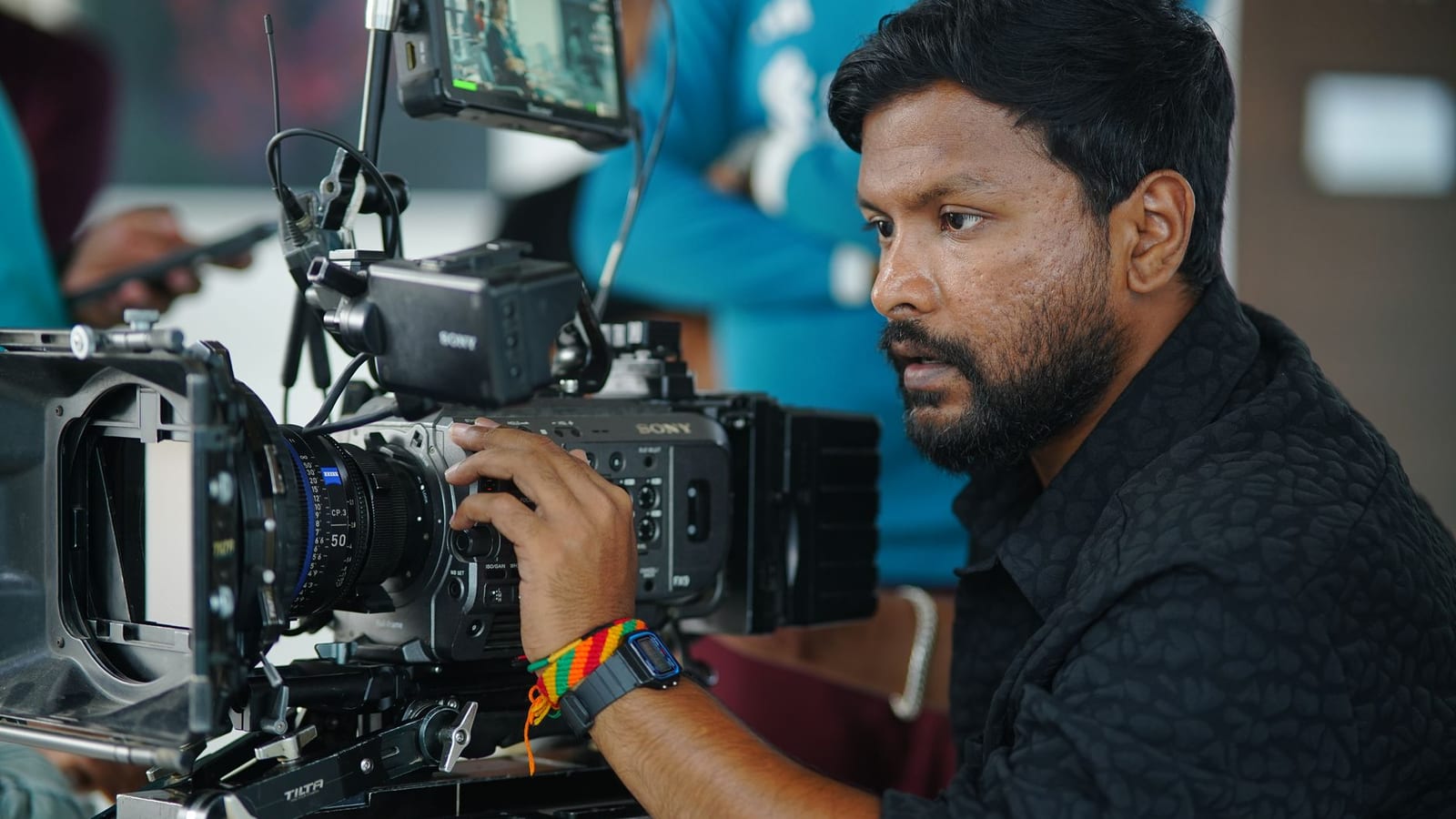
Abhinav Sunder Nayak says Mollywood Times is not a coded expose of Malayalam cinema figures, while acknowledging it draws on real industry experience.
The moment a film hits OTT, Indian audiences open a second screen.
With Mollywood Times, that second screen became a guessing game. Viewers began asking who each character “really” was, and whether the film had quietly named names from Malayalam cinema.
Director Abhinav Sunder Nayak has now stepped in with a plain answer. No, he says, the film is not a coded expose. But yes, it comes from lived experience, bruises included.
The guessing game around characters
Mollywood Times stars Naslen as a cinema dreamer chasing success inside an industry that can both lift and crush people. That basic setup made viewers look for real-life parallels.
This is not new for Malayalam cinema. The audience there watches films closely, especially films about the film business. Every sly line, casting choice, and workplace scene can become a theory.
Abhinav responded to fan questions on Instagram after chatter grew online. He said viewers should focus less on matching characters to real people, and more on the ideas behind them.
That is a useful distinction. A film can come from real rooms, real egos, and real disappointments. It still need not be a legal file with changed names.
Abhinav said he and writer Ramu Sunil built the characters from several people they had met. He admitted his own life did feed the film. But he made clear that fiction did the heavy lifting.
His sharpest point was also the simplest. If he wanted to expose someone, he could have written a social media post. A film, clearly, was serving a larger purpose.
A tribute hidden in plain sight
The most personal answer came around Sunil Ettan, played by Althaf Salim. Many viewers wanted to know who inspired him.
Abhinav said the character came from his late uncle. That uncle had a home audio and video collection, and helped shape Abhinav’s early love for films.
The director also linked Sunil Videos, the fictional shop in the film, to Kalpetta in Wayanad. He spent much of his childhood there, around a cassette and CD rental culture.
For anyone under 25, this may sound like museum talk. But for an older film lover, those rental shops were unofficial film schools.
You did not need a streaming subscription. You needed ten rupees, patience, and a shopkeeper who knew your taste. That shopkeeper often shaped your cinema education.
This detail gives Mollywood Times a warmer centre. The film may deal with ambition, struggle, and industry politics. But it also carries the memory of small-town access to cinema.
That matters because Malayalam cinema’s current polish did not appear from nowhere. It grew from VHS libraries, local clubs, small theatres, TV premieres, and obsessive young viewers.
Abhinav’s tribute tells us something about the filmmaker too. His industry story is not only about insiders and gatekeepers. It begins with a child watching borrowed films in Wayanad.
The second half question
The most refreshing part of Abhinav’s response was his admission about the second half. A viewer asked if the film felt stretched after interval. He accepted the criticism.
He did not wrap it in theory. He did not blame audience impatience. He simply said he would be more careful in his next film.
That kind of public honesty is rare in Indian film promotion. Most teams defend every choice until the Friday noise fades. Directors usually call flaws “creative calls” and move on.
Here, Abhinav chose a cleaner route. He acknowledged the drag, without disowning the film. That balance matters for a young director building trust.
His first film, Mukundan Unni Associates, had a darker bite and tighter control. It also gave him a reputation for unusual storytelling. Mollywood Times came with that baggage.
When a filmmaker follows a cult favourite, viewers watch the next work with extra expectation. They do not just ask whether the film works. They ask whether the director has repeated, matured, or slipped.
Abhinav’s answer suggests he knows the stakes. He still values Mollywood Times, and said the OTT response brought him happiness. But he also heard the criticism.
For a film trade watcher, this is the real story. A director who listens without collapsing can last longer than one who only enjoys applause.
What the film says about Mollywood
Mollywood Times arrives at an interesting point for Malayalam cinema. The industry has gained national visibility, especially after repeated theatrical and streaming successes.
Audiences across India now discuss Malayalam films for writing, casting, and craft. But inside that praise sits another truth. The industry is still hard for newcomers.
Films about cinema often become self-congratulatory. They show struggle, then soften the system. Mollywood Times appears more interested in the uneasy bargain behind a dream.
A young aspirant enters believing talent should be enough. The industry then teaches him about networks, timing, compromise, and luck. That lesson feels familiar beyond cinema too.
Think of a young professional in Kochi, Bengaluru, or Mumbai. Many start with skill. Then they learn the room has invisible rules.
That is why the online guessing game, while entertaining, can miss the bigger point. The film is less about “who is who” and more about how power behaves.
Ashiq Usman Productions backed the film, with Ashiq Usman producing. The cast includes Sangeeth Prathap, Sharafudheen, Roshan Shanavas, Jagadish, Appunni Sasi, Prasanth Alexander, Balachandran Chullikkad, Gopika Ramesh, and Rajesh Madhavan.
Basil Joseph and Vineeth Sreenivasan also appear in cameos. That casting itself places the film within the current Malayalam ecosystem, where familiar faces travel across genres with ease.
The technical team also signals ambition. Vishwajith Odukkathil handled cinematography. Jakes Bejoy composed the music. Nidhin Raj Arol and Abhinav worked on the editing.
In a smaller industry, these credits matter. A film about the film business depends on texture. It must understand vanity vans and video shops with equal affection.
Mollywood Times now gets a second life through OTT, where viewers pause, rewind, and argue online. That can help a film grow beyond opening weekend numbers.
It can also distort the conversation. A character inspired by five people becomes “that one producer.” A fictional conflict becomes a blind item. The meme cycle can flatten craft.
Abhinav’s clarification tries to pull the discussion back. He is not denying that art absorbs life. He is warning viewers not to reduce a film to gossip.
That is a fair request. Cinema can speak about uncomfortable truths without acting as a charge sheet.
For ordinary viewers, the takeaway is simple. Mollywood Times is not just a film about one young man’s movie dreams. It is about how dreams meet systems, and how memory keeps them alive. The next time Abhinav makes a film, audiences will still argue. But they may watch a little more closely, and guess a little less.