Oil selloff pulls US Treasury yields lower, aiding India
US Treasury yields fell after a sharp drop in crude, easing inflation worries and giving Indian markets a breather on rupee and fuel-cost pressure.
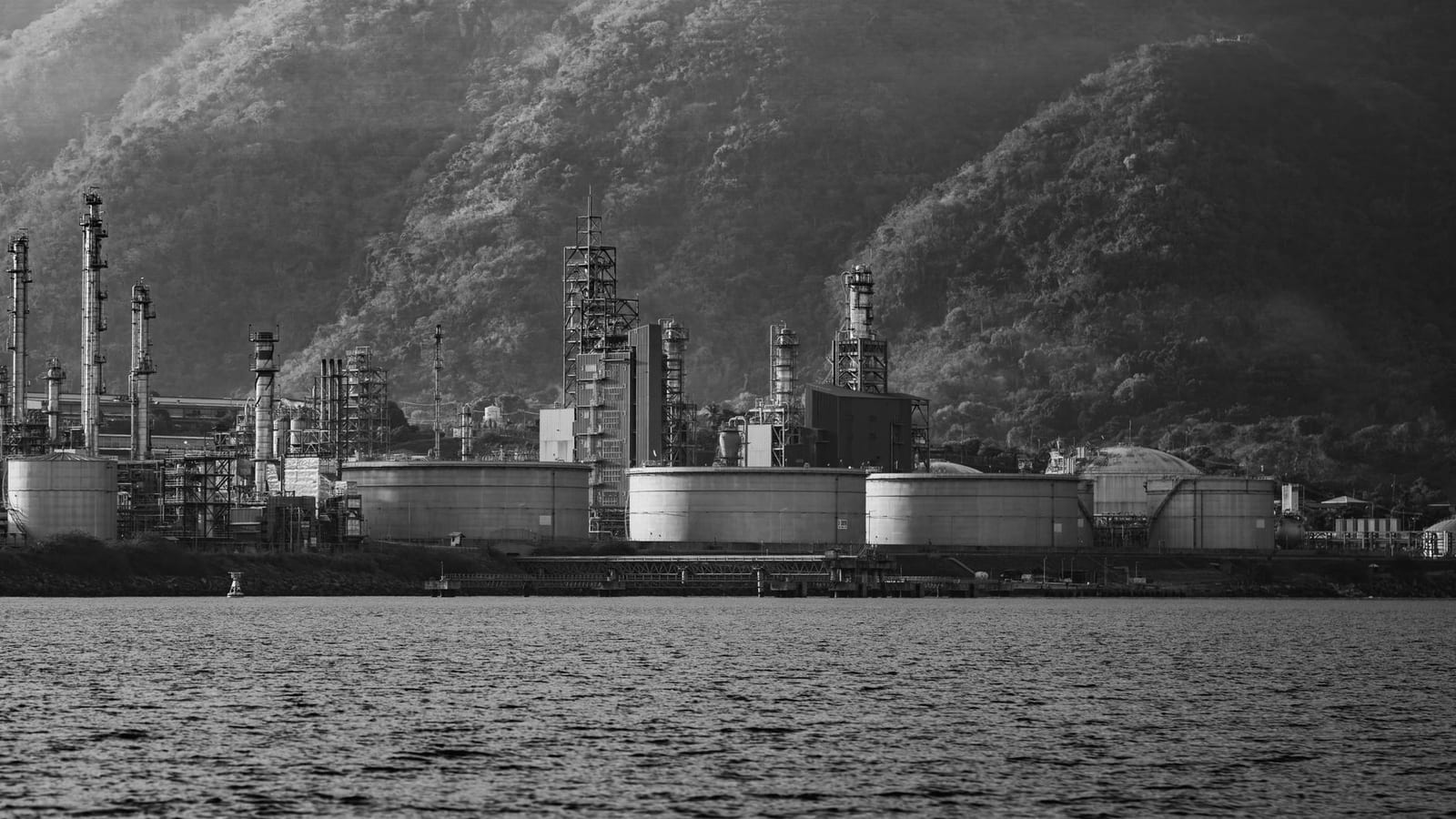
Oil gave global markets a breather on Monday, and bond traders grabbed it quickly.
The yield on the benchmark 10-year US Treasury note fell 3.2 basis points to 4.647 percent. In plain English, investors demanded a little less return to hold US government debt, after crude prices dropped sharply.
For India, this is not some distant Wall Street number. Cheaper oil can soften pressure on petrol prices, the rupee, airline costs, and inflation. Costlier US yields can do the opposite.
Oil slump calms bond markets
US Treasury yields slipped after crude oil prices tumbled from last week’s highs. US crude fell 7.71 percent to $82.42 a barrel. Brent crude dropped 8.9 percent to $88.17 a barrel.
That is a big fall in one trading day. Brent had touched $102 last week, when fears around the Iran conflict pushed traders into panic mode.
For a country like India, every oil spike hurts twice. It raises the import bill and puts pressure on the rupee. A weaker rupee then makes imported goods costlier.
So when oil cools, traders in Mumbai pay attention too. A lower oil price can ease inflation worries, at least for now.
The 30-year US bond yield also fell, down 3.3 basis points to 5.129 percent. A basis point is one-hundredth of a percentage point. Small moves matter in bond markets because trillions of dollars sit there.
Trump comments move crude again
The oil fall came after Donald Trump said the US was having “good talks” with Iran. Washington had suspended a two-week air strike campaign against Iran on Saturday.
Trump also warned that US strikes could restart if talks failed. That is why markets relaxed, but only halfway.
Saudi Arabia, Jordan, and Iraq reported drone attacks on Monday. That kept traders nervous, because the Middle East still looked far from settled.
Jeff Klingelhofer of Aristotle Pacific Capital said markets were struggling with mixed signals. His point was simple. Trump’s comments can move sentiment, but investors still lack a clear end to the conflict.
That matters for Indian households too. If oil stays near $88, inflation pressure eases. If it jumps back above $100, transport costs and fuel-sensitive prices can rise again.
A kirana store owner in a tier-2 city may not track Brent daily. But transport costs quietly show up in atta, edible oil, packaged snacks, and delivery bills.
Fed hike odds rise sharply
The next big event is the Federal Reserve decision on Wednesday. Money markets now see a 37.9 percent chance of a 25 basis point rate hike, CME FedWatch data showed.
A week ago, that probability was only 16 percent. That is a sharp swing in expectations.
Markets are also pricing an 80.8 percent chance of a hike at the Fed’s September meeting. So even if the Fed pauses this week, traders expect pressure to remain.
Why does oil matter to the Fed? Because dearer oil feeds inflation. If inflation looks sticky, the Fed may keep rates higher or raise them again.
For India, higher US rates are not abstract. They can pull money back into dollar assets. That can hit foreign flows into Indian equities and debt.
Think of a retail investor with a Rs 5 lakh equity mutual fund portfolio. If global risk appetite weakens, Indian markets can feel that pressure too. A 1 percent market fall would mean a Rs 5,000 mark-to-market hit.
The two-year US Treasury yield slipped 1.1 basis points to 4.32 percent. This bond usually tracks Fed rate expectations more closely than the 10-year note.
The gap between two-year and 10-year yields stood at a positive 32.5 basis points. Traders watch this gap for clues about growth and recession risks.
Auctions show mixed appetite
The US Treasury also tested investor demand through bond auctions. A $69 billion sale of two-year notes drew solid interest from buyers.
Demand stood at 2.66 times the notes on offer. That was slightly above the recent average of 2.63 times.
But the $70 billion five-year note auction looked softer. Demand came in at 2.28 times, below the 2.33 average.
The Treasury will sell $44 billion of seven-year notes on Tuesday. This matters because heavy supply can push yields higher if buyers demand better returns.
Inflation expectations also eased a little. The five-year Treasury Inflation-Protected Securities breakeven rate stood at 2.202 percent, down from 2.251 percent on July 24.
The 10-year breakeven rate was 2.212 percent. That means markets expect US inflation to average about 2.2 percent yearly over the next decade.
That figure is close enough to calm investors, but not low enough for celebration. Oil can change that calculation in one bad week.
Why India should watch closely
Indian markets sit at the intersection of oil, the dollar, and US rates. When all three move together, Dalal Street rarely gets to ignore it.
The Bombay Stock Exchange’s Sensex and the National Stock Exchange’s Nifty 50 often react to global bond moves. Foreign investors compare India’s returns with safer US yields before placing money.
If US yields rise sharply, Indian equities look relatively less attractive. If oil rises too, the pressure becomes heavier because India imports most of its crude.
The Reserve Bank of India also watches these signals closely. Higher imported inflation can complicate its rate decisions, especially when food prices are uneven.
For home loan borrowers, the US Fed may feel distant. But global rates influence capital flows, rupee stability, and eventually domestic policy comfort.
For fixed deposit savers, the chain works differently. If inflation stays under control, real returns feel better. If prices rise faster, interest income buys less.
This is why Monday’s oil fall mattered. It gave markets a pause after days of fear. But it did not remove the risk.
The real test now is whether crude stays lower and diplomacy holds. If talks with Iran fail, oil can spike again quickly. If oil remains calm, the Fed gets more room to pause.
For ordinary Indian readers, the message is practical. Watch oil, the rupee, and US rates together. That triangle will shape fuel bills, market mood, and loan comfort long before policy speeches explain it.