Sensex, Nifty Rise as Softer Oil Lifts Investor Mood
Sensex and Nifty gained around 0.5% as Brent crude fell below $71, easing worries over import costs, the rupee and market sentiment.
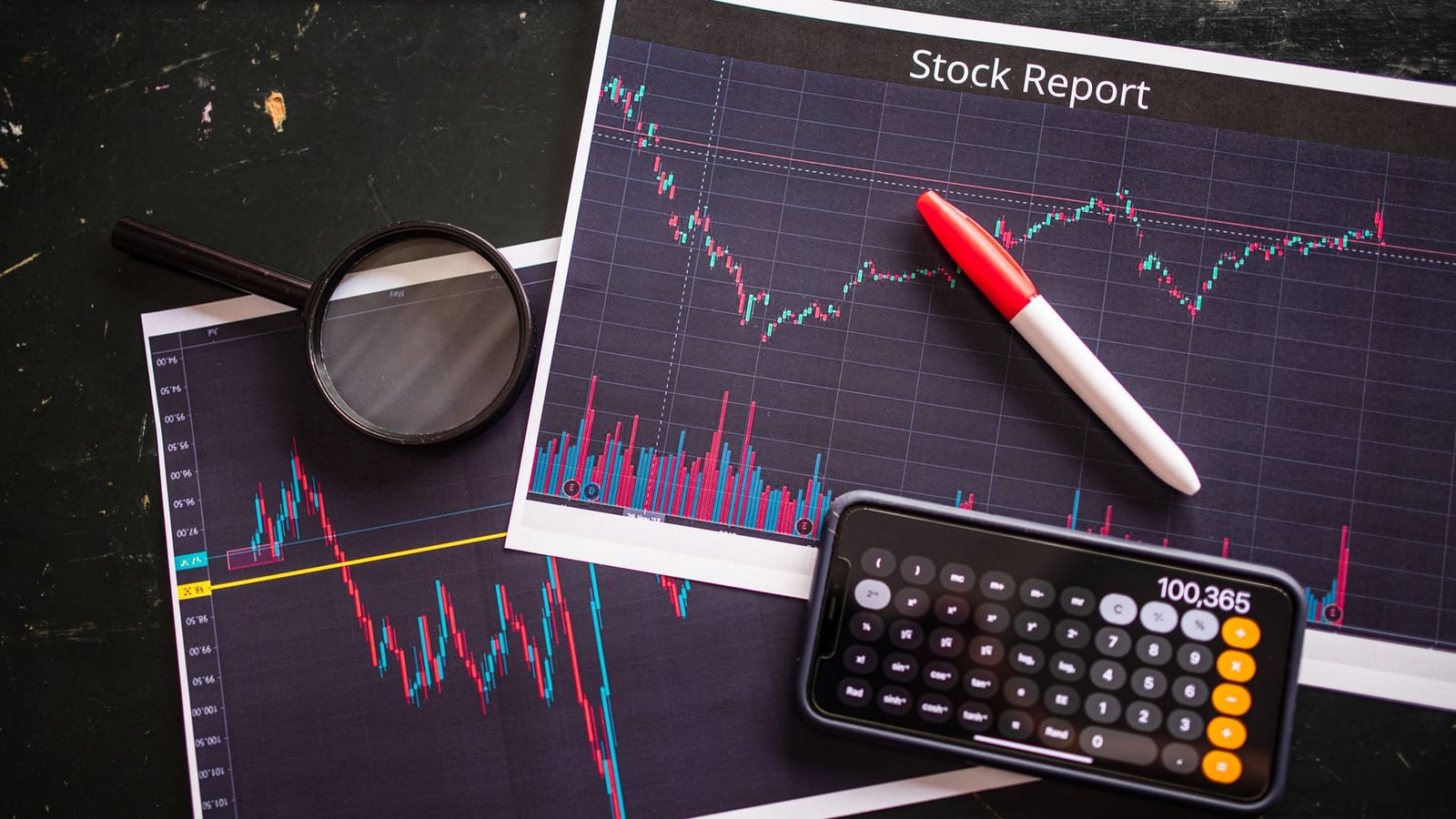
A softer oil price can do more for Indian investors than a dozen speeches on sentiment.
That was the market’s simple message on Thursday, July 2. The Bombay Stock Exchange’s Sensex rose 0.48 percent to 77,294.46, while the National Stock Exchange’s Nifty 50 gained 0.50 percent to 24,127.15 around midday.
For a retail investor with a ₹5 lakh portfolio tracking the market, that kind of half-percent rise means roughly ₹2,500 added on paper. Not life-changing, but enough to change the mood after a nervous few sessions.
Oil gives Dalal Street relief
The trigger came from crude oil, India’s old headache. Brent crude slipped below $71 a barrel after Qatar’s Foreign Ministry said the United States and Iran had made progress in indirect talks in Doha.
For India, cheaper crude is not just a market headline. It can reduce pressure on the rupee, cool import costs, and give the government more breathing room on fuel prices.
That matters because India buys most of its crude from abroad. When oil becomes expensive, the bill eventually travels through the economy. Petrol, diesel, freight, food transport, and even factory costs feel the pinch.
So when crude eases, traders quickly mark up Indian equities. Banks, autos, consumer companies, and logistics-heavy businesses often breathe easier. The logic is simple: lower input costs can protect margins and support demand.
Nifty tests a familiar range
The Nifty’s move also had a technical angle. Nagaraj Shetti of HDFC Securities said the index had bounced for a second straight session and was moving within a broad 23,800 to 24,200 range.
In plain English, the market has found buyers near 23,800. But it has not yet broken decisively above the 24,200 to 24,300 zone.
That makes the next few sessions important. If Nifty crosses the upper end with strength, traders may read it as a sign of fresh momentum. If it fails again, short-term players may book profits quickly.
Shetti pointed to 23,800 to 23,750 as immediate support. Think of support as the floor where buyers have recently stepped in. If that floor breaks, sentiment can weaken fast.
For ordinary investors, this means one thing. Do not mistake every bounce for a new bull run. The market is improving, but it is still asking for confirmation.
Two short-term stock calls
Shetti recommended buying IFCI at ₹77.75, with a target of ₹82 and a stop-loss at ₹75.50 over one week.
That target implies a possible gain of about 5.5 percent from the suggested entry price. The stop-loss means the trade risks roughly 2.9 percent if the stock moves the wrong way.
This is not a long-term investment thesis. It is a short-term trading call based on price patterns. Shetti said IFCI had bounced after finding support near ₹74 and showed signs of forming a higher bottom.
He also recommended Five-Star Business Finance at ₹545, with a target of ₹575 and a stop-loss at ₹527 over one week.
Here, the upside works out to about 5.5 percent, while the downside risk is near 3.3 percent. The call rests on a recent bounce, a move above the 200-day exponential moving average, and positive signals from volume and momentum indicators.
A 200-day moving average simply tracks the stock’s longer-term trend. When a stock climbs above it, traders often treat it as a sign that sentiment has improved.
What retail investors should watch
These calls may tempt many retail traders because the targets look neat and quick. But one-week trades need discipline. A stop-loss is not decoration. It is the exit door.
That matters even more in stocks that can move sharply. A small investor who buys without deciding the exit price often ends up turning a trade into a reluctant holding.
The broader market setup also depends on global news. The Doha talks, the Strait of Hormuz, and crude prices may sound distant from a demat account in Jaipur or Pune. They are not.
If West Asian tensions rise again, oil can jump. If oil jumps, Indian markets can lose some of Thursday’s comfort. The rupee may weaken, and foreign investors may turn cautious.
For now, the market is enjoying a cleaner macro picture. Lower crude helps India. A firmer Nifty helps confidence. Specific stock setups give traders something to work with.
But the sensible approach is still boring, and boring often protects money. Watch the Nifty range, respect stop-losses, and do not bet household savings on a one-week chart pattern.
Thursday’s rise tells us investors are ready to buy relief. The bigger question is whether that relief can survive the next oil headline. For the average Indian saver, that difference matters more than the colour of one trading screen.