European leaders seek NATO unity before Ankara summit
Berlin talks saw European leaders coordinate NATO support, reassure Washington and signal continued backing for Ukraine ahead of a tense Ankara meeting.
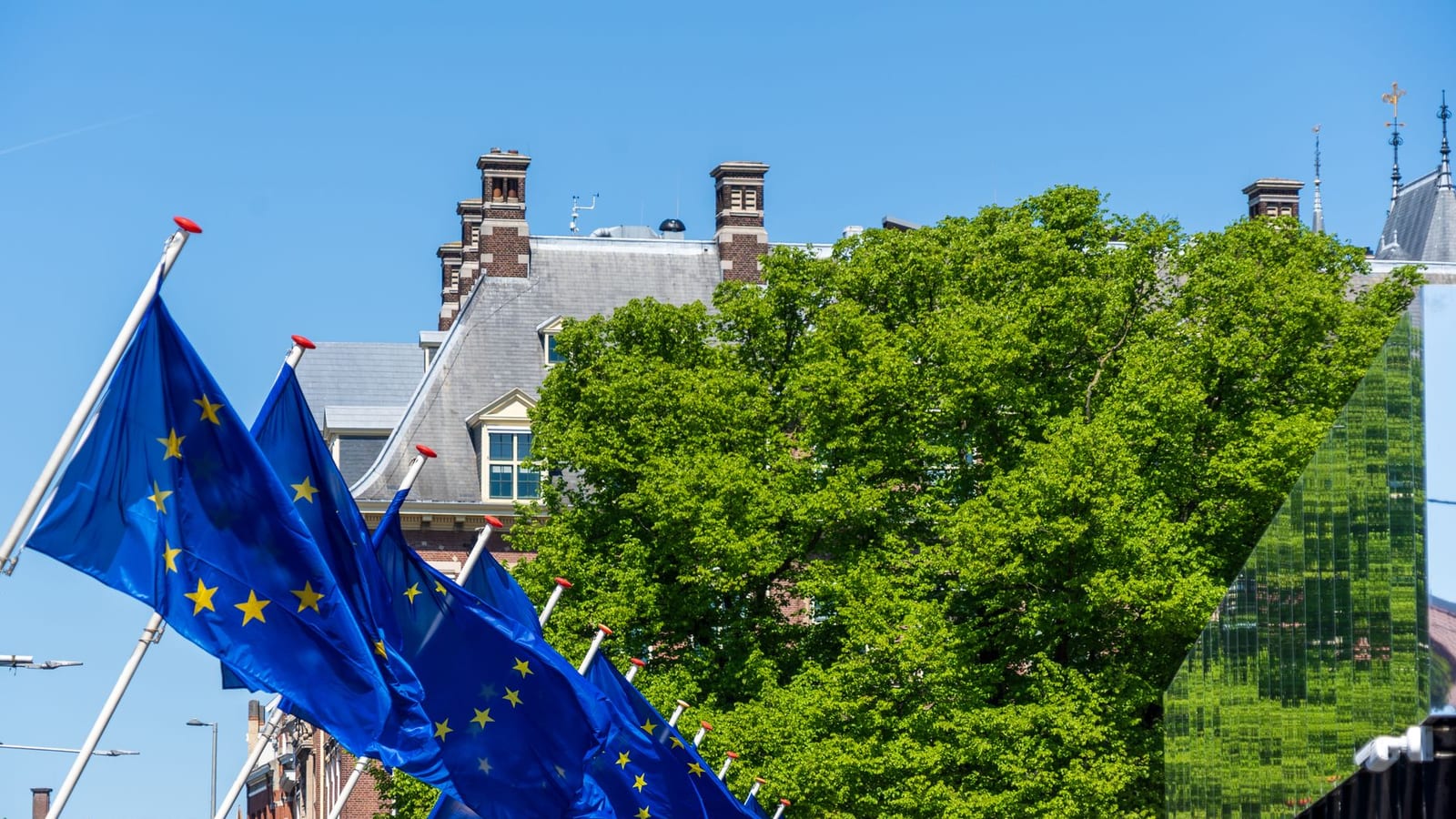
Europe is trying to keep NATO together before one difficult meeting in Ankara.
That sounds dramatic, but this is the simple truth. The alliance that protected Europe for decades now depends heavily on one man’s mood in Washington.
At a Berlin meeting on June 24, German Chancellor Friedrich Merz gathered the leaders of France, Italy, Poland and Britain. Their aim was clear. Reassure America, strengthen Europe, and tell Russia that Ukraine will not be left alone.
Europe prepares for Trump pressure
US President Donald Trump has again questioned whether NATO still gives America enough value. That single doubt has shaken Europe more than any formal policy paper.
The tension grew after European allies refused to support Trump’s attack on Iran. He has not forgotten that refusal. At the G7 summit in Évian last week, Trump appeared friendly. But European leaders clearly do not trust one pleasant week to last until Ankara.
That is why the Berlin meeting matters. Merz brought together French President Emmanuel Macron, Italian Prime Minister Giorgia Meloni, Polish Prime Minister Donald Tusk and British Prime Minister Keir Starmer.
NATO Secretary General Mark Rutte joined from Washington before his meeting with Trump. That detail says everything. Europe knows the real pressure point still sits in the White House.
For India, this is not distant theatre. A nervous NATO affects Russia, Ukraine, energy routes, defence spending, and global markets. All of these touch India’s economy in some way.
When Europe feels insecure, it buys more weapons, spends more on fuel security, and hardens its politics. That can push up prices and change diplomatic equations from New Delhi to Moscow.
The five percent defence test
At last year’s NATO summit in The Hague, members agreed to raise defence spending sharply. Trump had pushed hard for that.
The target is steep. By 2035, members should spend five percent of national output on defence and security-linked needs. Of this, 3.5 percent should go to regular military work. Another 1.5 percent can cover areas like infrastructure.
Put simply, Europe plans to spend far more on soldiers, weapons, roads, ports, cyber systems and logistics. This is not just about buying tanks. It is about making whole economies ready for conflict.
Merz said the five major European powers had already started moving in that direction. He argued that stronger European spending would create a fairer partnership with America.
That line matters because Trump’s main complaint has always been money. He believes America pays too much for Europe’s security. European leaders now want to show him they heard the message.
But there is another layer here. A richer European defence machine will also compete harder for equipment, chips, drones and critical materials.
Indian companies in defence electronics, shipbuilding and cyber security should watch this closely. Europe’s security spending may create supply chains where India can play a role, if policy moves fast enough.
At the same time, India must read the warning. When democracies delay hard security decisions, they later pay more in panic.
Ukraine remains the central test
Merz used the Berlin meeting to send a clear message on Ukraine. He said Europe’s support would not weaken.
The message to Russia, as Merz put it, was that Ukraine remains strong and Europe will stay with it. That line was meant for Moscow, but also for Washington.
Europe fears that Trump may seek a quick deal with Russia. Poland fears that even more. Tusk made that worry visible in Berlin.
He had been angry after Germany, France and Britain held a smaller E3 meeting with Ukrainian President Volodymyr Zelenskyy in London. Poland felt excluded from a conversation that directly affects its security.
Tusk made his point bluntly. Countries directly threatened by Russia, he said, must be present in every serious format.
He named Poland, the Scandinavian countries, the Baltic states and Romania. His warning was simple. Any Ukraine settlement without frontline European states will lack trust.
That is an old lesson in a new setting. Big powers often prefer smaller rooms. Smaller neighbours then fear that their future will get traded away.
India understands this instinct well. Whether in South Asia or the Indo-Pacific, countries want a seat when decisions affect their borders.
For New Delhi, Ukraine remains a diplomatic tightrope. India has ties with Russia, growing partnerships with Europe, and strong links with America. A divided NATO makes that balancing act harder.
If the war drags on, India faces pressure on oil, fertiliser, arms supplies and diplomatic positioning. If a rushed settlement emerges, it may reward force over negotiation. Neither outcome is simple.
Iran and Hormuz enter the room
The Berlin meeting also touched Iran, which brings the story closer to Indian households.
Merz welcomed the broad understanding between the United States and Iran on a framework agreement. But he also said Europe would help only if conditions were right.
Macron spoke carefully about any possible mission to secure shipping through the Strait of Hormuz. He said the terms still needed definition.
That narrow waterway matters deeply to India. Much of India’s energy lifeline runs through the Gulf. Any tension near Hormuz can raise fuel costs quickly.
When petrol and diesel become costlier, the effect travels everywhere. Transport charges rise. Food prices feel pressure. Small factories pay more. Airlines and shipping firms tighten costs.
So when European leaders discuss Hormuz, Indian readers should not treat it as a foreign policy footnote. It can show up later in household budgets.
Macron also said Europeans and Americans seemed to be moving closer again. That was a hopeful line, but not a settled fact.
The bigger question is whether this closeness survives Trump’s bargaining style. Europe wants reassurance. Trump wants proof of loyalty, money and alignment.
That gap will define the Ankara summit. It may also decide how much room middle powers like India have in a more divided world.
The Berlin meeting showed a Europe trying to grow up under pressure. It still needs America, but it knows America may not always behave like the old America. For Indian readers, the lesson is direct. The age of easy security guarantees is fading. Countries that plan early will have more choices. Countries that wait for certainty may find the bill arriving all at once.