France Arms Reaper Drones to Counter Shahed Threat
France has tested MQ-9 Reapers with adapted Hellfire missiles to intercept cheap attack drones, signalling a faster counter to Shahed-style threats.
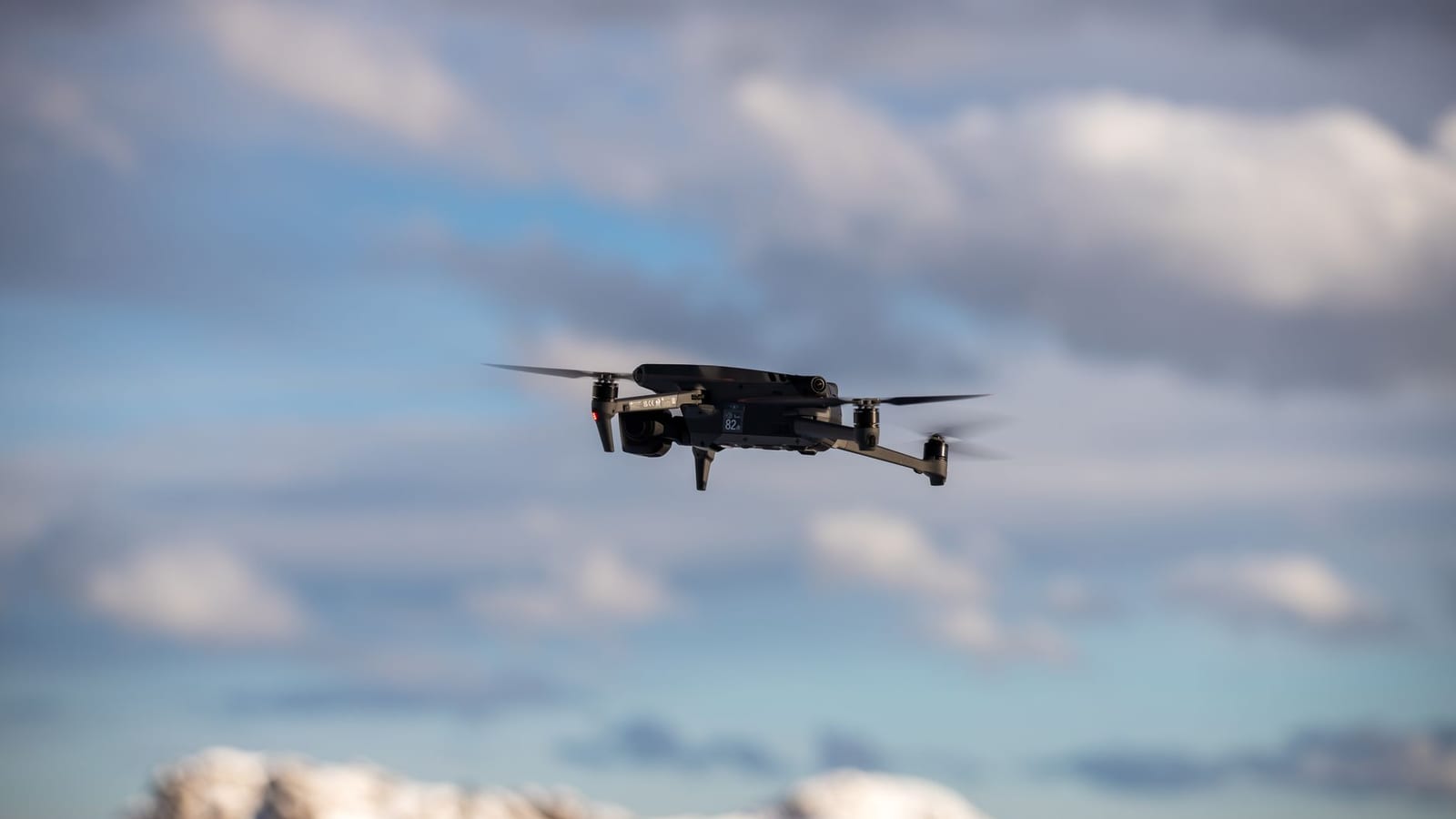
Cheap attack drones have changed the price of war, and France has noticed.
A weapon that costs relatively little can now force a rich military to spend heavily, move quickly, and rethink old plans. That lesson has come from Ukraine, the Gulf, and the wider Middle East.
Now the French Air and Space Force is trying a quick fix. It has adapted its MQ-9 Reaper drones, earlier used mainly for surveillance and ground strikes, to hunt cheap long-range attack drones.
France turns Reapers into drone hunters
The French military tested this new role in early April near the Île du Levant, off southern France. It later showed the system at Air Base 709 in Cognac, where France keeps its 12 Reaper drones.
The idea is simple, but the message is serious. France wants an answer to low-cost attack drones like the Shahed drone, which Iran has used and supplied in modern conflicts.
The Reaper was not built for air defence. The Hellfire missile was not built for shooting down drones either. It began life as an anti-tank weapon.
Yet the French military says it converted the missile for this anti-drone role in just three months. That speed tells its own story. Armies no longer have the luxury of waiting years for perfect systems.
They must use what they already have, because the threat has moved faster than the procurement file.
Cheap drones expose costly gaps
This is the awkward new math of warfare. A cheaper drone can force an expensive missile launch. A swarm can stretch radar crews, air bases, and political patience.
Ukraine has shown this daily. The Middle East has shown it too. Iran’s use of long-range attack drones has pushed many countries to study the lower end of the threat ladder.
That phrase means the cheaper, simpler weapons that do not look dramatic alone. But used in numbers, they can trouble even advanced militaries.
For France, the pressure also comes from its Gulf allies. These countries host vital energy routes, ports, bases, and expatriate communities. A drone strike there can shake markets far beyond the target.
Indian readers should not see this as a distant European story. India’s own neighbourhood has already entered the drone age. Border surveillance, smuggling, terror logistics, and battlefield targeting now all carry a drone angle.
A small drone does not need to win a war. It only needs to cause disruption, embarrassment, or fear. That makes it attractive to states and non-state actors alike.
The India lesson is urgent
India has invested in air defence, drones, counter-drone systems, and electronic warfare. But France’s move offers a sharper lesson. Even a major power sometimes has to repurpose old tools fast.
That matters for Indian planners. Our defence system still moves slowly in too many areas. Trials, approvals, imports, local production, and budgeting can stretch for years.
Drones punish that kind of delay. They change shape, range, software, and tactics quickly. By the time a file clears, the battlefield may have shifted.
For India, the question is not only whether we can buy the best system. The question is whether we can adapt fielded systems at speed.
Can an existing missile be used in a new role? Can a surveillance platform become a defensive asset? Can the armed forces test, approve, and deploy quickly?
France is not presenting a perfect solution here. It is showing a practical one. When the threat arrives before the ideal weapon, armies must improvise with discipline.
That is a useful thought for India, from Ladakh to the western border, and from naval bases to refinery towns.
Old weapons meet new wars
The Reaper itself carries a complicated history. France used it heavily for reconnaissance and strikes during operations against jihadist groups in the Sahel.
That was a different battlefield. The target was usually on the ground. The Reaper watched, tracked, and attacked with precision.
Now France wants the same large drone to help defend the air. This is a major shift in thinking. The hunter of ground targets may now become part of a shield.
The Hellfire missile also changes meaning here. A weapon designed to hit armour or vehicles now serves against flying threats.
This does not mean every old weapon can become new again. Physics still matters. Radar, speed, altitude, guidance, and cost all decide what works.
But the broader trend is clear. Modern militaries will squeeze more roles out of existing platforms. They have no choice.
The defence industry will also feel the pressure. Countries want cheaper interceptors, better sensors, and systems that can handle volume. One expensive missile for one cheap drone is a bad bargain.
The smarter answer may combine many layers. Jammers, guns, lasers, missiles, drones, and better intelligence will all play a part.
For ordinary Indians, this may sound far from daily life. It is not. Defence budgets come from public money. Energy prices react to Middle East tension. Shipping risks affect imports. A drone strike abroad can still touch household costs at home.
France’s experiment is a reminder that power is changing quietly. The future battlefield may not always reward the biggest weapon. It may reward the country that spots a cheap threat early, adapts quickly, and refuses to be surprised twice.