France and Spain Tap EU Disaster Help as Fires Spread
The EU civil protection mechanism is under pressure as early wildfires force France and Spain to seek shared aircraft, crews and emergency support.
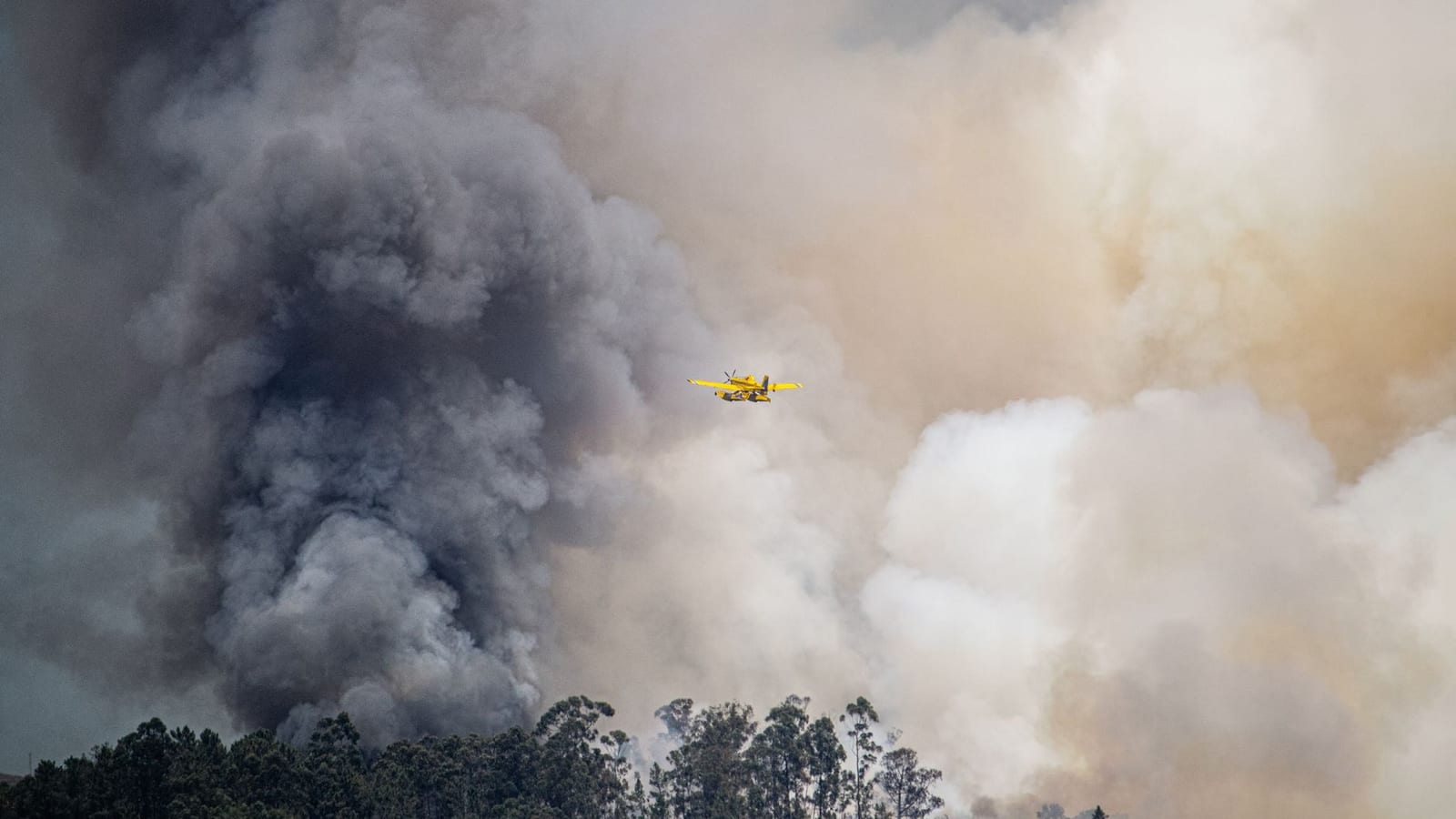
Europe’s fire season no longer waits politely for summer to begin. This year, it arrived early, burned hard, and pushed one of the European Union’s main emergency systems close to its limits.
For Indian readers, this is not some distant European weather story. It is a preview. When heat turns sharper, forests dry faster, cities creep closer to green belts, and emergency systems get tested all at once.
Hadja Lahbib, the European commissioner in charge of crisis management, has described this season as catastrophic. Her message was simple: Europe’s civil protection machinery is under pressure, but it is still working.
Europe’s fire response faces strain
The European Union created its civil protection mechanism in 2001. In plain English, it is a mutual aid system.
When one country faces a disaster it cannot handle alone, others can send help. That help may include aircraft, ground teams, firefighters, or emergency equipment.
This summer, that system has been running at full speed. France and Spain have both needed support as large wildfires spread across their landscapes.
Lahbib said the mechanism had to be activated as early as late April. That matters because late April is not supposed to feel like peak fire season.
The pattern is worrying. Wildfires are starting earlier, lasting longer, and moving closer to towns and cities.
That last point should make policymakers sit up. A forest fire is frightening. A forest fire near urban homes, roads, factories, and hospitals becomes a very different crisis.
France crosses a grim mark
France has already crossed its painful 2022 benchmark. That year, around 66,000 hectares burned.
This summer, the European Forest Fire Information System has put the damaged area near 80,000 hectares. That is not just a number on a dashboard.
A hectare is roughly the size of a big sports field. Now imagine tens of thousands of those fields blackened in one season.
For families living near fire zones, the loss is immediate. Smoke enters homes. Roads close. Local businesses halt work. Farmers worry about land, animals, and water.
France is not alone. Spain is facing similar conditions, with intense fires and emergency pressure.
Spain and France also matter to the wider European economy. Tourism, farming, insurance, energy networks, and transport all feel the heat when fires spread.
In India, we often treat climate damage as a future bill. Europe is showing how that bill arrives in instalments, sometimes every summer.
Why India should watch closely
There is a quiet lesson here for India. Disaster response cannot be built after the disaster starts.
India already knows this from floods, cyclones, landslides, heatwaves, and forest fires. But the scale is changing.
A state may have equipment. A district may have a plan. Yet extreme weather now tests several regions at the same time.
That is exactly where Europe’s model becomes interesting. It pools resources across borders.
India has its own disaster response structure, including national and state agencies. But the European crisis shows how quickly even rich regions can feel stretched.
The question for India is not whether we need more fire trucks or helicopters. Of course we do.
The real question is whether our systems can move help fast across states, across departments, and across political boundaries.
A heatwave in north India, floods in the west, and fires in a forest belt can happen close together. That is the new stress test.
Climate pressure is now administrative
Climate change often sounds like a scientific debate. On the ground, it becomes paperwork, staffing, budgets, and response time.
Who has aircraft available? Which crew is rested? Which roads are open? Which village gets evacuated first?
These are not abstract questions. They decide whether a crisis stays local or becomes national.
Lahbib’s comment that the EU mechanism is under tension but functioning is revealing. It says Europe has capacity, but not unlimited capacity.
That is the part Indian cities should study. Our urban edges are expanding fast. Housing colonies, highways, warehouses, and resorts now sit closer to forests and dry zones.
When fire moves towards populated areas, the cost changes. It becomes a public health problem, a housing problem, and an economic problem.
A kirana store owner in a tier-2 Indian city may not think of European wildfires as relevant. But smoke, heat, supply delays, and power strain are familiar troubles.
The geography is different. The warning is not.
The global power shift in disasters
There is also a geopolitical angle. Countries now show strength not only through armies or trade deals, but through disaster readiness.
The state that protects citizens during climate shocks earns trust. The state that fails loses legitimacy fast.
Europe has built a cross-border system because no country can fight every emergency alone. That idea will matter more in Asia.
South Asia shares rivers, mountains, coastlines, and weather systems. Yet disaster cooperation often moves slower than the disasters themselves.
India has the size, institutions, and technical depth to lead regional response. But leadership will require practical systems, not speeches.
Shared alerts, training, aircraft coordination, satellite data, and quick-response protocols can save lives. They can also build influence.
That is the subtext many global reports miss. Climate disasters are becoming foreign policy events.
When a country can send help quickly, it gains goodwill. When it needs help, it learns who its reliable partners are.
Europe’s burning summer should remind India that climate resilience is no longer a soft issue. It is hard infrastructure, national security, and household economics rolled into one.
The fires in France and Spain will eventually be brought under control. The larger fire season, though, is not going away. For ordinary Indians, the lesson is blunt: the next decade will reward countries that prepare early, coordinate well, and treat extreme weather as a governance test, not a seasonal surprise.