Gen Z streetwear reshapes CJP protest politics in Delhi
At Jantar Mantar, CJP protesters use T-shirts, scarves and streetwear to turn clothing into fast-moving political identity signals.
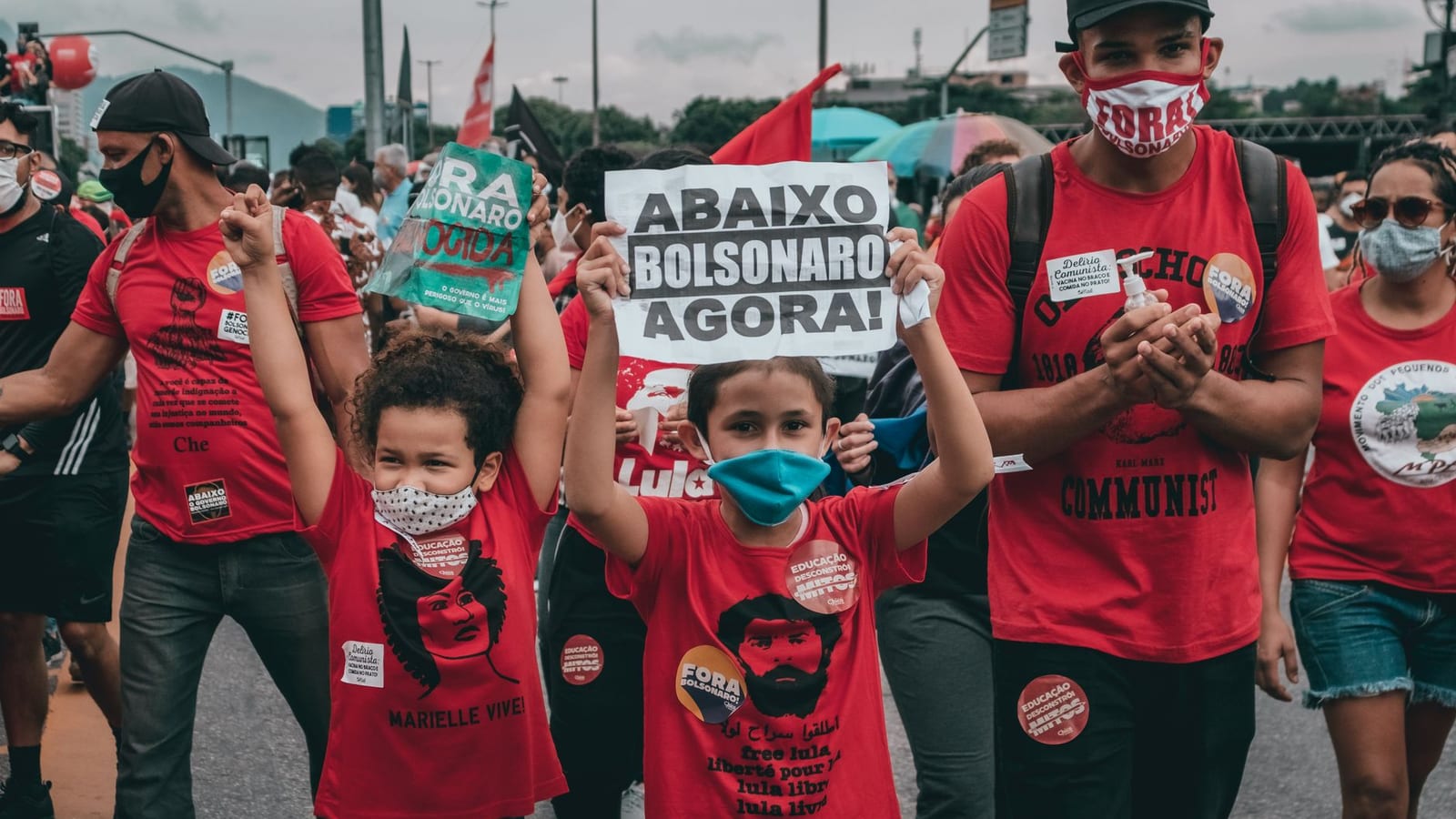
A protest T-shirt can travel faster than a speech now.
At Jantar Mantar, the 2026 CJP protests showed exactly that. Young demonstrators did not arrive only with placards, slogans, and clenched fists. They came dressed for the street, the camera, the police barricade, and the algorithm.
That is the new grammar of dissent. A scarf was not just styling. It could become protection. A graphic tee was not just fashion. It could say what a slogan did, only faster.
Gen Z rewrites protest dressing
For an older political generation, Indian protest fashion had familiar cues. Khadi, party caps, coloured scarves, white kurtas, black bands. The message came through uniformity.
The CJP movement looked different. It borrowed from streetwear, meme culture, creator videos, and performance art. Oversized T-shirts, crop tops, denim, tank tops, masks, scarves, and athletic wear became part of the protest kit.
This was not vanity. It was identity politics in cotton and print. The choice of clothes answered a simple question. Which side was this person on?
The “get ready with me” video became a political format. Young protesters filmed themselves dressing before marches. That turned preparation into public speech.
It also changed who could watch. Someone far from Delhi could still read the protest visually, within seconds.
An insult becomes an emblem
The sharpest symbol came from the cockroach. Protesters took an insult and placed it on masks, prints, and T-shirts.
That act mattered. Indian politics has a long habit of using labels to shrink people. Here, young protesters took the label back. They turned disgust into durability.
Cockroaches survive. That was the point. The symbol carried anger, humour, and stubbornness in one small image.
Graphic T-shirts quickly became the movement’s most visible canvas. Some carried the Cockroach Janata Party mark on the front. Others used sarcastic lines on the back.
The style sat somewhere between protest poster and streetwear drop. Heavy cotton, bold graphics, loose silhouettes, and unisex fits made it easy to wear in crowds.
For urban India, this felt familiar. Young people already use clothes to signal music taste, politics, fandom, caste pride, queer identity, campus affiliation, and class aspiration.
The CJP protests simply made that signal more direct. The outfit became a public statement before anyone opened their mouth.
Clothes made for streets
The clothes also had a practical logic. Delhi in July is no gentle runway. Heat, humidity, police lines, and long waits punish poor fabric choices.
Cotton helped protesters stay out longer. Flexible trousers made movement easier. Scarves could cover the face when conditions turned harsh.
One protest video showed this balance clearly. A supporter first appeared in wide-leg jeans, a crop top, and a printed shawl. Then the outfit changed into tighter, more flexible clothing for the march.
That shift said something important. Protest fashion was not only about being seen. It was also about getting through the day.
This is where the lifestyle story becomes political. A tank top, trouser, or scarf may look casual on a screen. On the ground, it can decide whether someone can run, breathe, wait, or stand firm.
The phone camera shaped these choices too. Protesters dressed for visibility in crowded streets and short videos. The look had to read fast, because social media rarely gives nuance more than a few seconds.
That does not make the protest shallow. It shows how young politics now works. The street and the feed no longer sit apart.
Parliament answers in black
Inside Parliament, opposition leaders used a more traditional visual language. During the monsoon session, Rahul Gandhi, Priyanka Gandhi, Pawan Khera, and other INDIA bloc MPs wore black.
Black carried mourning, anger, and solidarity. It also created a clear contrast with the ruling side’s familiar white clothing.
This was older protest theatre, but still effective. In Parliament, one colour can do what a placard cannot. It can turn a routine sitting into an image.
The contrast with Jantar Mantar was telling. Students used memes, roach masks, streetwear, roses, flags, and copies of the Constitution. MPs used black kurtas, saris, and shirts.
Both sides understood the same truth. Clothes can compress a political message into a photograph.
Regional parties added their own signals. DMK MPs wore blue shawls to draw attention to the Cauvery water dispute. That visual cue carried a state issue into a national frame.
Indian politics has always loved symbols. What has changed is the speed at which symbols now move.
Uniforms raise harder questions
The most troubling clothing story came from the other side of the barricade.
During the July 20 “Chalo Sansad” march, videos showed uniformed personnel alongside people in plain clothes. Some plain-clothed men wore helmets or carried lathis, while appearing hard to identify.
That raised a serious question. When force enters a crowd, the public must know who is using it.
Delhi Police rules require proper uniform during law-and-order duty. Identification matters because it creates accountability. Without it, protesters cannot easily tell an officer from an unauthorised attacker.
Some personnel reportedly removed or covered name badges. Officials linked this to crowd-control risks. Critics pointed out that modern badges usually attach securely.
After public anger and legal attention, police headquarters directed personnel on Jantar Mantar duty to wear uniforms.
That instruction said plenty. In a protest about identity, even the state’s clothing came under scrutiny.
On one side stood young protesters in visible, branded, filmed, and searchable clothes. On the other side, some security personnel appeared blurred by plain shirts and missing badges.
That contrast gave the movement its deeper visual argument. Citizens were making themselves visible. Power, at moments, seemed less willing to do the same.
The CJP protests will be remembered for slogans and confrontation. But they may also be remembered for their wardrobe.
Not because fashion replaced politics. It did not. Fashion became one of politics’ languages.
For ordinary Indians watching from outside Delhi, that matters. The next protest may not announce itself only through speeches or party flags. It may arrive as a reel, a print, a scarf, a colour, a joke, or a reclaimed insult.
A generation has learned that the body can speak when institutions do not listen. And in a country where politics is always visual, that lesson will not stay on the pavement for long.