Nilekani-led panel to overhaul India's exam system
Nandan Nilekani will lead a Centre-backed task force to restore trust in national exams after paper leak anger and student protests nationwide.
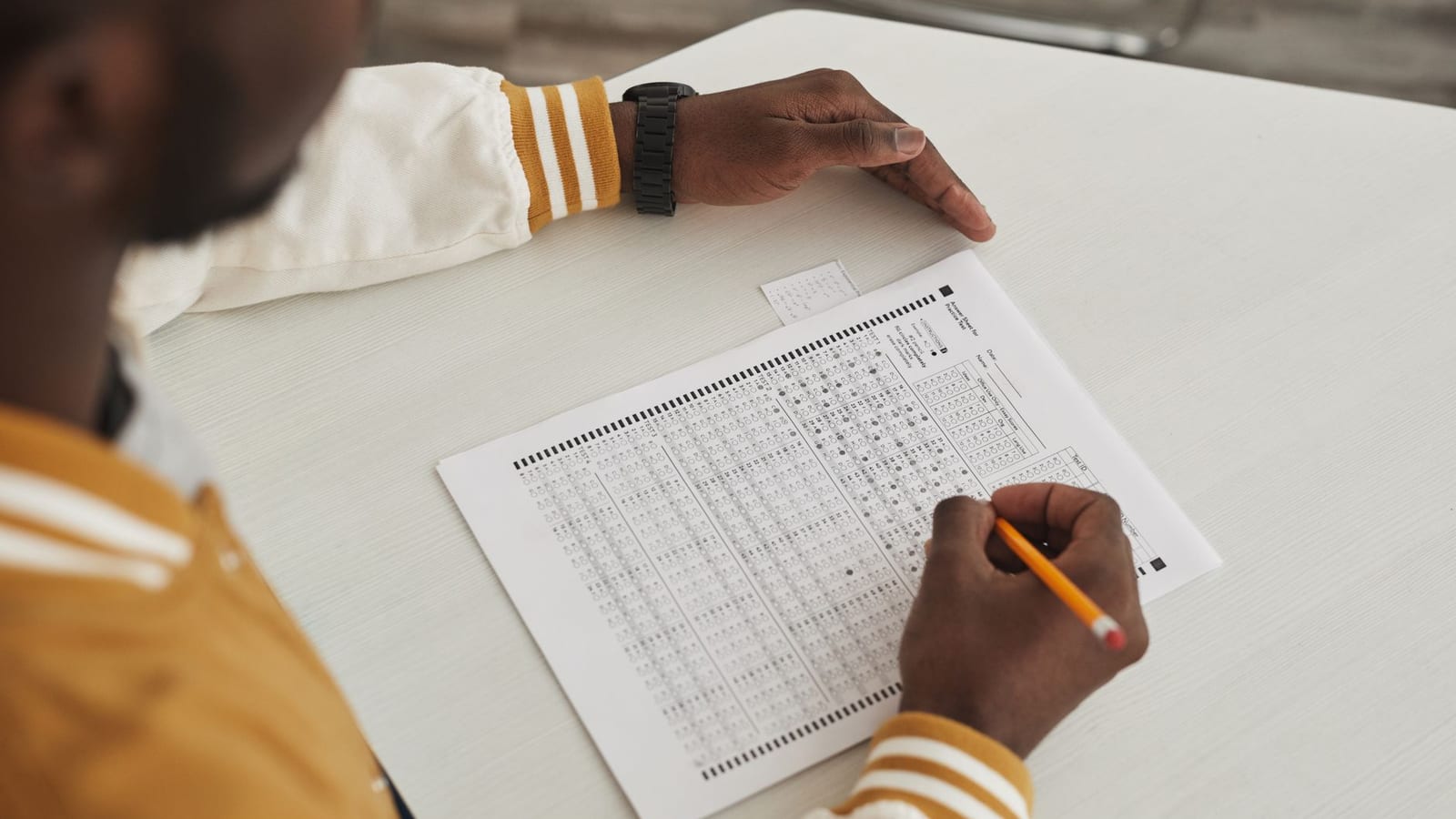
One resignation can calm a protest. It cannot repair an exam system.
That is the harder truth staring at lakhs of Indian students tonight. After weeks of anger over paper leaks and trust in competitive exams, the Centre has promised a high-powered reform task force led by Nandan Nilekani.
For families who plan their lives around one exam date, this is not policy gossip. It is rent, coaching fees, hostel rooms, missed festivals, and parents quietly selling gold to keep a child’s dream alive.
Nilekani gets the exam brief
Prime Minister Narendra Modi has said the government will set up a task force to improve transparency and credibility in national examinations. Nilekani, the Infosys co-founder, will lead it.
The choice tells its own story. The government seems to want a technology-heavy repair job. Nilekani carries the weight of Aadhaar in public memory, for better and worse.
Former ISRO chief S Somanath will also be part of the team. That adds another signal. The Centre wants administrative rigour, engineering thinking, and public trust in one room.
But exams are not just software problems. They are also human systems. A leak can happen through a printer, a coaching middleman, a corrupt official, or a weak local centre.
Any serious reform must follow the paper trail and the money trail. India has seen enough quick fixes to know that apps alone cannot clean a dirty pipeline.
Pradhan exits, Joshi steps in
Dharmendra Pradhan resigned as education minister after the student agitation gathered force. The protests ended after his exit, at least for now.
That gave the government a political breather. It also showed how deeply the issue had cut through student circles across states.
Pralhad Joshi has now taken charge of the education ministry. He called a meeting with officials soon after assuming the role.
That speed matters. But students will judge him by delivery, not calendar optics. The ministry must now show what changes before the next major exam cycle.
Finance Minister Nirmala Sitharaman said the government acted after learning about the paper leak. She said accused people involved in buying and selling papers were arrested.
That is the minimum expected response. The tougher question is why the system needs student fury before it moves with urgency.
Students forced the centre stage
The protests did not stay inside one campus or one exam hall. They spilled into Delhi’s Jantar Mantar and into political speeches across the country.
Opposition leaders used the moment to attack the government. Some spoke of youth power. Some attacked celebrity silence. Some asked why student protests invite police action so quickly.
A Supreme Court judge also raised a sharp concern. He said students who protest on campus often face arrest, delayed bail, and suspension.
That comment landed because it matched a familiar student fear. In India, a young person can lose a year for a leaked paper. Then lose another for protesting it.
There were also allegations about force used during a march to Parliament. A report linked to the Rapid Action Force said force did not follow graded norms.
For ordinary parents, these details feel distant until their own child joins a protest. Then every baton, barricade, and FIR becomes personal.
Why exam trust broke so badly
Competitive exams in India carry too much weight. One paper can decide a medical seat, a government job, or a family’s social climb.
That is why a leak feels like theft. It steals more than marks. It steals time from honest students who played by the rules.
A kirana store owner in a tier-2 city may not understand encrypted question banks. But he understands one thing clearly. His child cannot compete against a purchased paper.
The anger also reflects a wider fatigue. Students already face high coaching costs, cramped hostels, and years of uncertainty.
When the exam itself looks compromised, the bargain collapses. Hard work stops feeling like a ladder. It starts looking like a lottery.
That is the danger for any government. Youth anger is not like routine political noise. It travels through WhatsApp groups, hostel rooms, libraries, and family dining tables.
The reform test ahead
The task force must first make the exam chain visible. Who sets papers, who prints them, who stores them, who transports them, and who monitors centres?
Each handoff creates risk. A strong system reduces those handoffs. It also creates audit trails that cannot vanish after a scandal.
Technology can help here. Secure digital delivery, tighter identity checks, and real-time monitoring can reduce leaks.
But technology also creates new weak spots. A hacked server can cause as much damage as a stolen paper packet.
The task force must also examine private coaching networks and local brokers. Paper leaks often survive because someone knows students are desperate enough to pay.
India cannot police ambition out of young people. It must make cheating harder, riskier, and less profitable.
The government also needs a clear communication plan. Students should not learn about exam chaos through rumours and late-night social media posts.
When an exam gets cancelled or delayed, families need quick answers. They need dates, refunds where due, and mental space to plan again.
The Centre has bought itself some time with Pradhan’s resignation and Nilekani’s appointment. But the real test begins now. Students have forced Delhi to listen. Now Delhi must prove that honest effort still counts in India’s exam halls.