VIP Plates, Jantar Mantar Reel Put States in Focus
Uttarakhand VIP plate bids, a Jantar Mantar reel row and online trolling in Mumbai show status, politics and social media reshaping state news.
Across India’s states, the week’s small headlines are saying something bigger about public life.
A VIP number in Uttarakhand fetched Rs 5.40 lakh. A BJP leader lost her party post after filming a reel at Jantar Mantar. In Maharashtra, Riya Ahir, who stopped a police vehicle in Mumbai and later faced trolling, filed a complaint and said she would track down those responsible.
These are not just stray local stories. They show how status, faith, politics, consumer rights, and social media now collide in everyday India.
Status now has a number
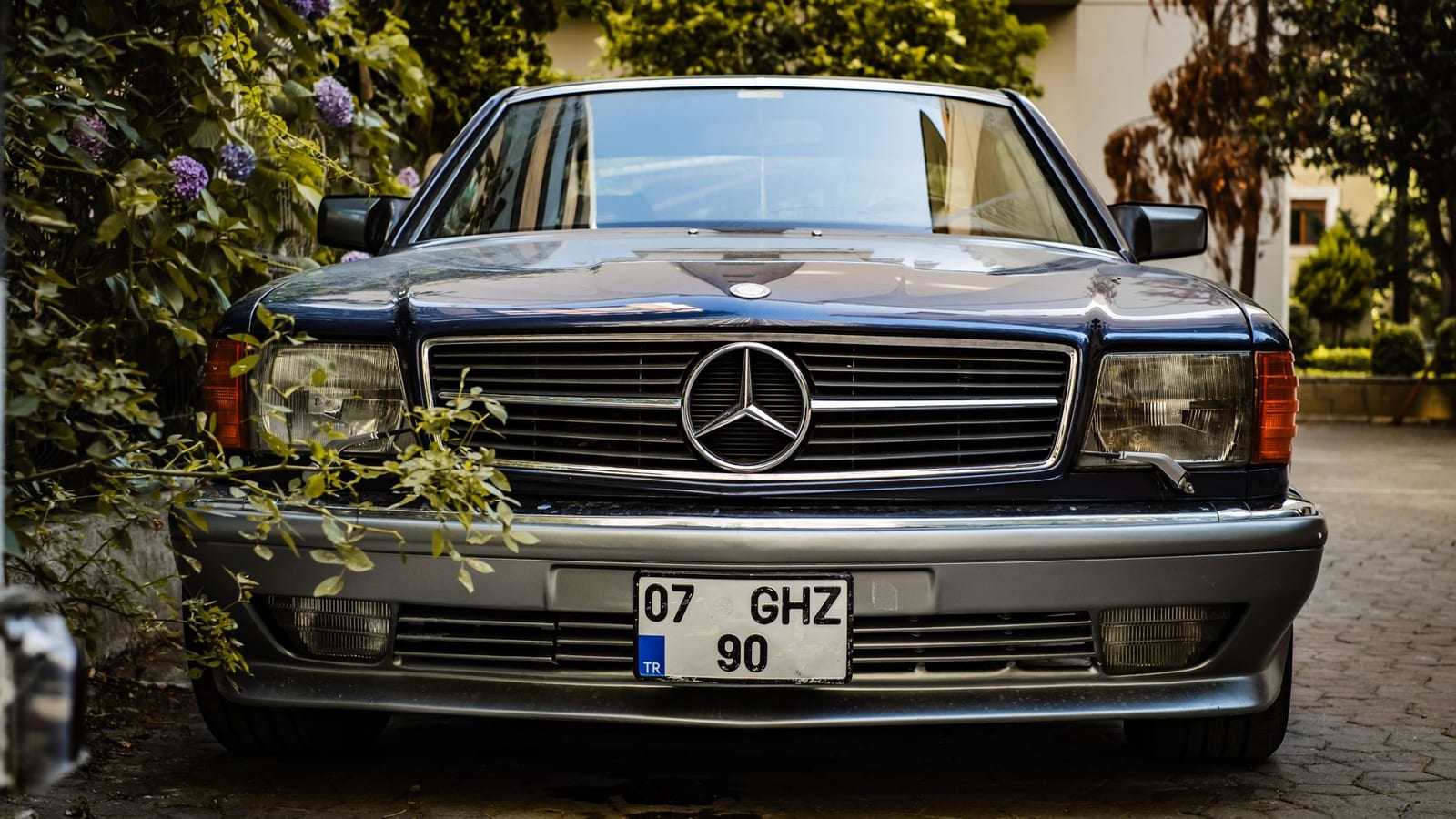
In Uttarakhand, a vehicle number drew a bid of Rs 5.40 lakh at auction. The car mattered less than the digits on its plate.
That tells us plenty about modern aspiration. For many Indians, identity now travels with the phone, the car, the Instagram profile, and even the registration plate.
VIP numbers once belonged mostly to politicians, contractors, and old business families. Now, they attract a wider crowd. A plate can signal success before anyone even sees the vehicle.
The money also shows a sharp split in urban taste. Some people still spend quietly on gold, land, or education. Others want a visible marker, something that announces arrival at every traffic light.
Reels meet political discipline
The same Uttarakhand news cycle also carried a telling political story. A BJP leader was removed after making a reel at Jantar Mantar.
That location matters. Jantar Mantar is not a casual backdrop. It is Delhi’s protest theatre, where public anger, party messaging, and media attention often gather.
The episode shows a new problem for parties. Young political workers now live partly through video. A reel may look harmless to the person recording it. To a party office, it can look careless.
This is the tension of public life in 2026. Politics wants youth energy, but it also wants control. Social media rewards spontaneity. Political organisations punish anything that looks off-message.
The bigger lesson is not about one reel. It is about how public image now gets built and broken in seconds. A short clip can do what a press conference cannot.
Faith, roads and public behaviour
Faith also ran through the state headlines. In Uttarakhand, Ravindra Puri appealed to kanwariyas to look for a picture of God before eating at hotels.
The comment sits inside the larger Kanwar season, when faith, food, travel, and local commerce all meet on crowded routes. For hotel owners, roadside vendors, and small dhabas, these weeks can bring heavy business.
But they also bring pressure. Religious identity becomes visible in food choices, shop displays, routes, and crowd behaviour. A small signal outside an eatery can affect who walks in.
This is where lifestyle and public order quietly overlap. What people eat, where they stop, and what they trust are not private choices during a large pilgrimage. They become part of a shared street culture.
State police in Jharkhand also prepared for the Shravan fair with AI drones and 11,500 personnel, the state authorities said. That figure shows how large devotional gatherings now need technology, crowd planning, and old-fashioned policing together.
Viral fame brings real costs
In Maharashtra, Riya Ahir’s case shows the darker side of public attention. After she stopped a police van in Mumbai, the moment went viral. Then came trolling.
Ahir filed a complaint and said she would find those behind the online attacks. Her statement reflects a familiar pattern. A person becomes visible for one act, then loses control of the story.
Social media often turns ordinary citizens into public characters overnight. The praise fades quickly. The abuse can stay longer, especially for women.
Another Maharashtra headline involved a consumer who ordered an iPhone but received beard growth oil instead. The customer will receive Rs 1.80 lakh, as consumer action followed the wrong delivery.
That story may sound comic at first. But it touches a serious urban habit. Indians now trust platforms with expensive purchases, festival shopping, medicines, gadgets, and daily supplies.
When delivery fails, the frustration is not just about money. It is about trust. A smartphone order turning into grooming oil becomes a symbol of how online convenience still needs stronger accountability.
The same social media age has also put creators under constant watch. Saurabh Joshi, already discussed over an E20 fuel comment, again drew attention after a remark on Prime Minister Narendra Modi’s video.
For creators, one opinion can move beyond followers and enter politics. That is the bargain of influence. Fame brings reach, but it also invites scrutiny from strangers, parties, and fan groups.
Local India feels louder
The state headlines also carried harder stories, from NEET protest cases in Bihar to sealed properties in Delhi and heavy rain alerts in Uttar Pradesh and Chhattisgarh. They do not all belong to lifestyle, but they shape how people live.
A student worried about a missing marksheet in Uttar Pradesh. NEET protesters in Bihar saw FIRs withdrawn after the state government’s decision. Families, students, and job seekers feel these events personally.
Even weather has become part of daily planning. Uttar Pradesh faced alerts for heavy to very heavy rain over three days, while Chhattisgarh dealt with deaths linked to severe weather.
For ordinary families, these are not abstract bulletins. They decide school runs, train plans, hospital visits, exam travel, and shop timings.
That is why these scattered state stories matter. They show India outside the national studio debate. They show a country where a number plate can signal status, a reel can end a post, a pilgrimage can reshape a market, and a wrong parcel can become a consumer fight. The coming years will make this mix even sharper. Public life will stay local, but the audience will keep getting national.