Gyaneshwari Commonwealth Silver Boosts India Camp
Gyaneshwari's Commonwealth silver gives India's weightlifting squad a lift after a tight contest with Nigeria's Didi and a record push.
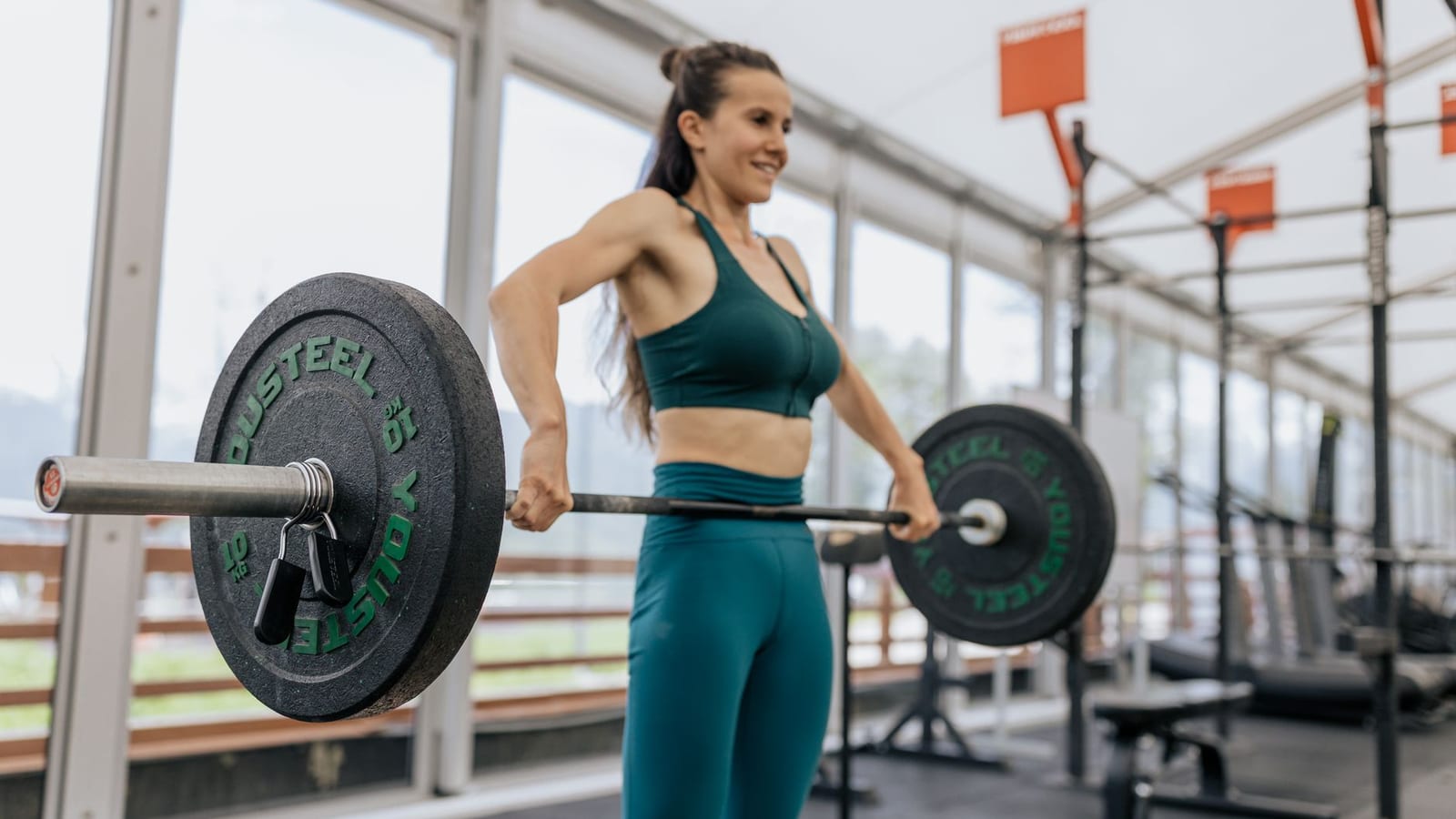
A silver medal can change the mood of a whole camp overnight.
For India’s weightlifting squad, Gyaneshwari’s Commonwealth silver was not just another podium photo. It came after a record-pushing contest with Nigeria’s Didi, the kind of lift-for-lift fight that tells athletes their preparation has teeth.
This is how Indian sport looks right now. One lane has medals. Another has selection headaches. A third has private lives spilling into public timelines, because fans now follow players everywhere, not just on the field.
Gyaneshwari sets the tone
Gyaneshwari gave India an early weightlifting story to hold on to, winning silver in a tough Commonwealth contest. The source material points to a record-breaking battle with Nigerian lifter Didi, which makes the medal feel heavier.
Weightlifting is a brutal sport in simple terms. You get very few chances, and one failed lift can bury months of work. That is why a silver in a close field matters.
For Indian athletes outside cricket, such medals carry extra weight. They bring attention, funding interest, and family pride in one neat moment. They also tell younger lifters that the path is real.
The pressure now shifts to the bigger names. Mirabai Chanu is expected to lead India’s Commonwealth weightlifting campaign. She has already given Indian fans Olympic silver, so the expectations around her are never small.
Cricket brings runs and questions
Indian cricket had its own clean result. India beat Zimbabwe by 90 runs and took a 2-0 winning lead in the series. Tilak, Kishan, and the bowlers all played key roles in that victory.
The basic line tells you enough. A 90-run win usually means the batting side created scoreboard pressure early. Then the bowlers squeezed the chase before it became dangerous.
For selectors, these matches are rarely only about the result. They also test who handles a simple brief well. Score quickly, field sharply, bowl hard lengths, and do not drift mentally.
That is why players like Tilak and Kishan matter in such games. They sit close to India’s white-ball plans, where one good month can change a career. One poor series can also push a player back into the waiting room.
The Test picture has a sharper edge. India’s squad for the upcoming 2-match Test series against Sri Lanka is expected next week. The biggest discussion will centre on Jasprit Bumrah and his fitness.
Bumrah is not just another fast bowler. He changes how India attack both new and old balls. If he is fully ready, India’s plans look very different.
If he is not, the selectors face a familiar Indian cricket problem. They must balance short-term winning with long-term care. Fast bowlers do not run on sentiment.
Hockey eyes an old drought
Craig Fulton has made the hockey ambition clear. The Indian men’s hockey coach wants his team to end a 51-year World Cup medal drought.
That number hurts because India’s hockey history is not ordinary history. It sits inside school textbooks, family memories, and old sporting pride. But modern hockey does not reward nostalgia.
Fulton seems aware of that burden. The source material says he understands the legacy India chase. That is important, because great Indian hockey teams often carry two opponents, the rival side and the past.
For today’s players, the challenge is different from earlier eras. They need fitness, structure, penalty-corner quality, and calm under video-review pressure. Skill alone does not win World Cups anymore.
There was also good news at youth level. Indian boys beat Pakistan and Oman in the Youth Hockey5s Asian Championship elite pool. Purti and Karan scored hat-tricks, which adds a nice attacking glow.
Punjab’s hockey pipeline also stayed visible. Five players from Punjab were selected for the Masters Hockey World Cup. Many of them have already represented India and Punjab in major competitions.
Commonwealth stage gets a reset
The Glasgow Commonwealth Games opened with the promise of a fresh start. King Charles called for collective action to protect oceans from plastic pollution. That gave the ceremony a wider message than sport alone.
For India, Mirabai Chanu and Lovlina Borgohain led the contingent. That image mattered. It put two women athletes at the front of a squad carrying serious medal hopes.
India’s weightlifting team enters these Games with ambition and baggage. The source material notes that the squad wants to recover from doping-related trouble. Sport rarely forgets such scars quickly.
Reduced quotas also make this campaign tougher. Fewer places mean fewer second chances. Every selected athlete must now justify both form and trust.
Gymnast Yogeshwar Singh also left for Scotland. He will represent India at the Commonwealth Games for the third time. In a sport with less public noise, that kind of staying power deserves notice.
Shooting had a mixed day. Sonam Uttam Maskar and Olympian Elavenil Valarivan reached the women’s 10m air rifle final at the ISSF World Cup. They could not win medals, but making the final still signals competitive form.
Elsewhere, football brought its own drama. FIFA began investigating a clash between Spain and Argentina players after the 2026 World Cup final. Spain won that match 1-0, but the post-final scuffle has now become part of the story.
That is the strange beauty of a packed sports week. A lifter’s silver, a cricketer’s Instagram post, a hockey coach’s target, and a football inquiry all share the same public space.
For Indian fans, the next few weeks will test attention and patience. Medals will come, squads will be debated, and old hopes will return. The real story is whether Indian sport can turn these scattered sparks into something steadier.