Rishikanta Singh breaks Commonwealth snatch record
Chanambam Rishikanta Singh lifted 121 kg in the men's 60 kg snatch final in Glasgow, breaking the Commonwealth Games record by 1 kg.
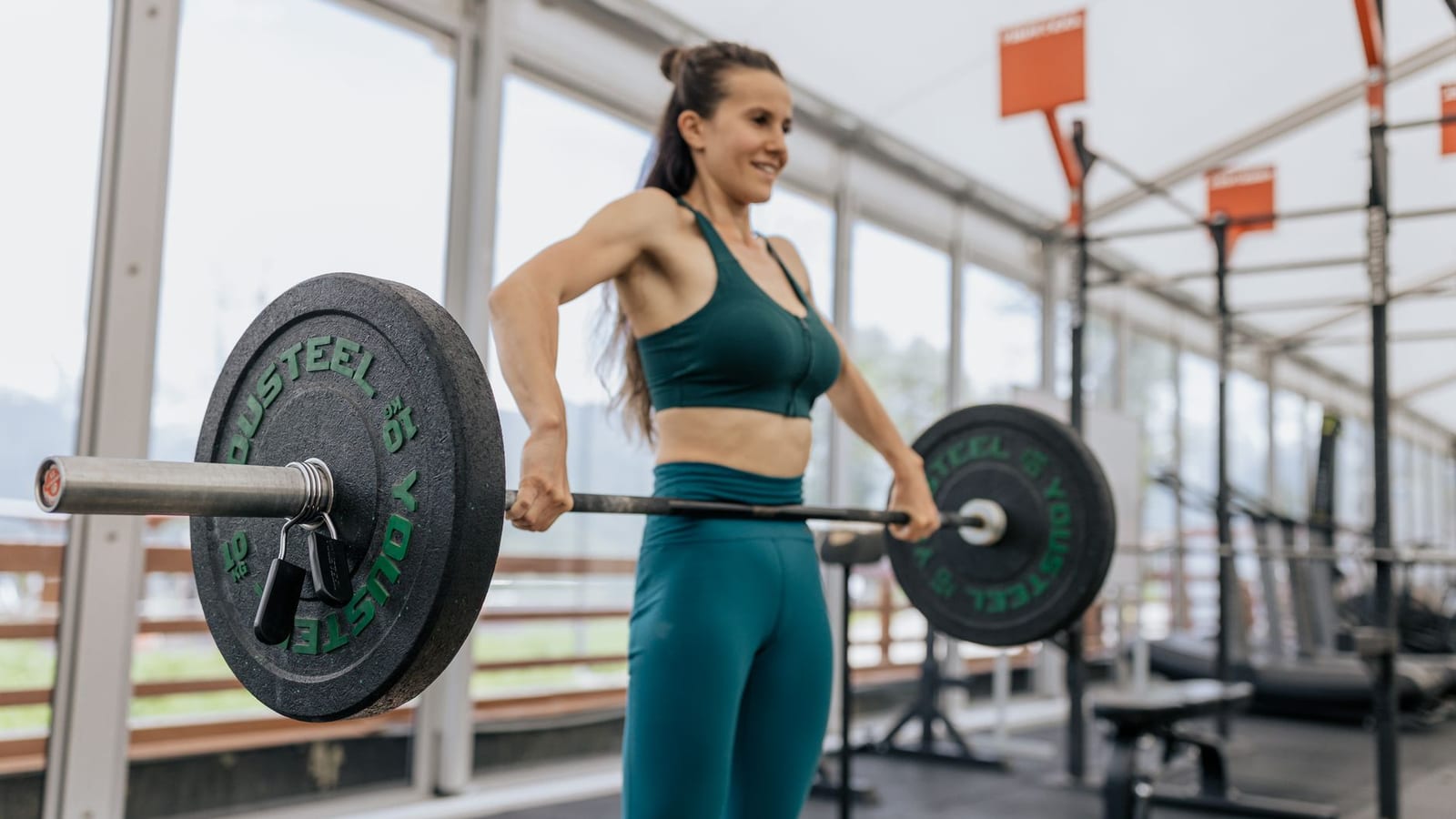
A 121 kg lift lasts only a few seconds. For Chanambam Rishikanta Singh, those seconds were enough to change his place in Indian weightlifting.
At the Commonwealth Games in Glasgow, the Manipuri lifter broke the Games snatch record in the men’s 60 kg final. The old mark stood at 120 kg. Rishikanta went 1 kg higher, and that is how records often fall in weightlifting.
One extra kilo may sound small to someone watching from a sofa. On the platform, it is the difference between nearly there and history.
Rishikanta lifts into record books
Rishikanta’s 121 kg snatch gave India a sharp early storyline in the 60 kg category. The snatch is the first part of Olympic-style weightlifting. The athlete lifts the bar from floor to overhead in one clean movement.
There is no room for rescue here. If the bar drifts forward, the lift dies. If the timing slips, the shoulders and back pay the price. That is why a 121 kg snatch, at a 60 kg bodyweight limit, is such a hard number.
The previous Commonwealth Games record in this category was 120 kg. Rishikanta beat it by the smallest possible margin. Yet that small margin tells a big story about planning, nerve, and selection confidence.
His career best total stands at 271 kg, split as 120 kg in snatch and 151 kg in clean and jerk. He recorded that at the 2025 Commonwealth Weightlifting Championships in Ahmedabad.
That Ahmedabad performance also brought him gold and a national record. It made his Glasgow place feel less like a hopeful punt and more like a backed investment.
From Imphal to Army training
Rishikanta comes from Imphal West in Manipur, a state that keeps giving Indian sport tough, technically sharp athletes. Weightlifting, boxing, football, and combat sports have all gained from that culture.
His route also runs through the Indian Army sports system. For many Indian athletes, that matters as much as talent. It gives structure, coaching, discipline, and a daily training base.
In sports like weightlifting, talent alone does not last long. The body needs food, sleep, recovery, and repeated technical work. A lifter must train the same movement thousands of times.
The Army system has helped shape several Indian athletes in events where margins are thin. Rishikanta’s progress fits that pattern. He did not arrive at Glasgow as a sudden surprise.
He had already built his case through domestic and international results. The 2025 Commonwealth title in Ahmedabad was the clearest signal. The national record there showed he could handle pressure at home.
His 2025 World Weightlifting Championships campaign also gave useful context. He finished 11th in the men’s 60 kg class with a 269 kg total. That did not bring a medal, but it placed him in serious company.
For a lifter, that kind of result can matter quietly. It tells coaches where the gap stands. It also tells the athlete what number is needed at the next big event.
Why the 60 kg move matters
Rishikanta made his Commonwealth Games debut at Birmingham 2022 in the men’s 55 kg category. Glasgow 2026 is different. He has moved into the revised 60 kg division.
That shift is not just a line on a team sheet. A new weight class changes the body, training rhythm, and medal maths. A lifter must add strength without losing speed.
The 55 kg category rewards compact power and quick movement. The 60 kg category gives more room for mass, but also brings stronger rivals. The bar does not care about old reputations.
Rishikanta’s numbers show he has adjusted well. His 271 kg personal best in the 60 kg class suggests the move has not blunted his sharpest weapon.
His snatch record in Glasgow reinforces that point. It shows he can still move fast under a heavier load. That is often the hardest part after a category change.
The clean and jerk will still decide medals in many finals. This second lift allows more weight because the athlete lifts in two stages. First to the shoulders, then overhead.
Rishikanta’s best clean and jerk is listed at 151 kg. When paired with a snatch near 120 kg, it gives him a strong total. In a tight field, every successful attempt shifts the table.
India’s Glasgow weightlifting lens
India usually watches Commonwealth weightlifting with high expectations. The sport has given the country medals across editions, especially in lighter classes. That history brings pride, but also pressure.
For viewers, the scoreboard looks simple. Lift more, win more. Inside the hall, the sport plays out like chess with iron plates.
Coaches choose attempts based on rivals, bodyweight, confidence, and risk. A failed lift wastes energy and opens a door. A bold lift can break the room open.
Rishikanta’s 121 kg snatch did exactly that. It did not merely improve his own number. It changed the tone of the final and forced others to respond.
There is also a selection-room message here. India picked him after a run of serious performances, not one lucky day. The Ahmedabad gold, national record, and world championship outing built that case.
For young lifters watching from Imphal, Pune, Patiala, or any small training hall, this matters. It shows the pathway remains hard, but visible. Domestic wins can still lead to global platforms.
For ordinary Indian sports fans, weightlifting offers a rare kind of clarity. No complex rulebook. No long league table. Just an athlete, a bar, and a number everyone can understand.
That is why Rishikanta’s record lands so neatly. He lifted 121 kg in the snatch. He beat a Games mark. He gave India a clean statistic to celebrate.
The next question is whether this becomes a medal story, not just a record story. Records thrill the morning headlines. Medals shape careers, funding, and memory.
Rishikanta has already proved he belongs in the heavier class. Now comes the more difficult task, repeating that nerve when the medals are on the line. For India, his rise is another reminder that big sporting moments often begin far from big stadiums, in disciplined rooms where nobody claps until the bar stays overhead.