Burnham pledges Ukraine support with Stone Cloak jammers
Britain signals continued backing for Kyiv as Prime Minister Andy Burnham hosts Zelenskyy and offers Stone Cloak drone-jamming systems.
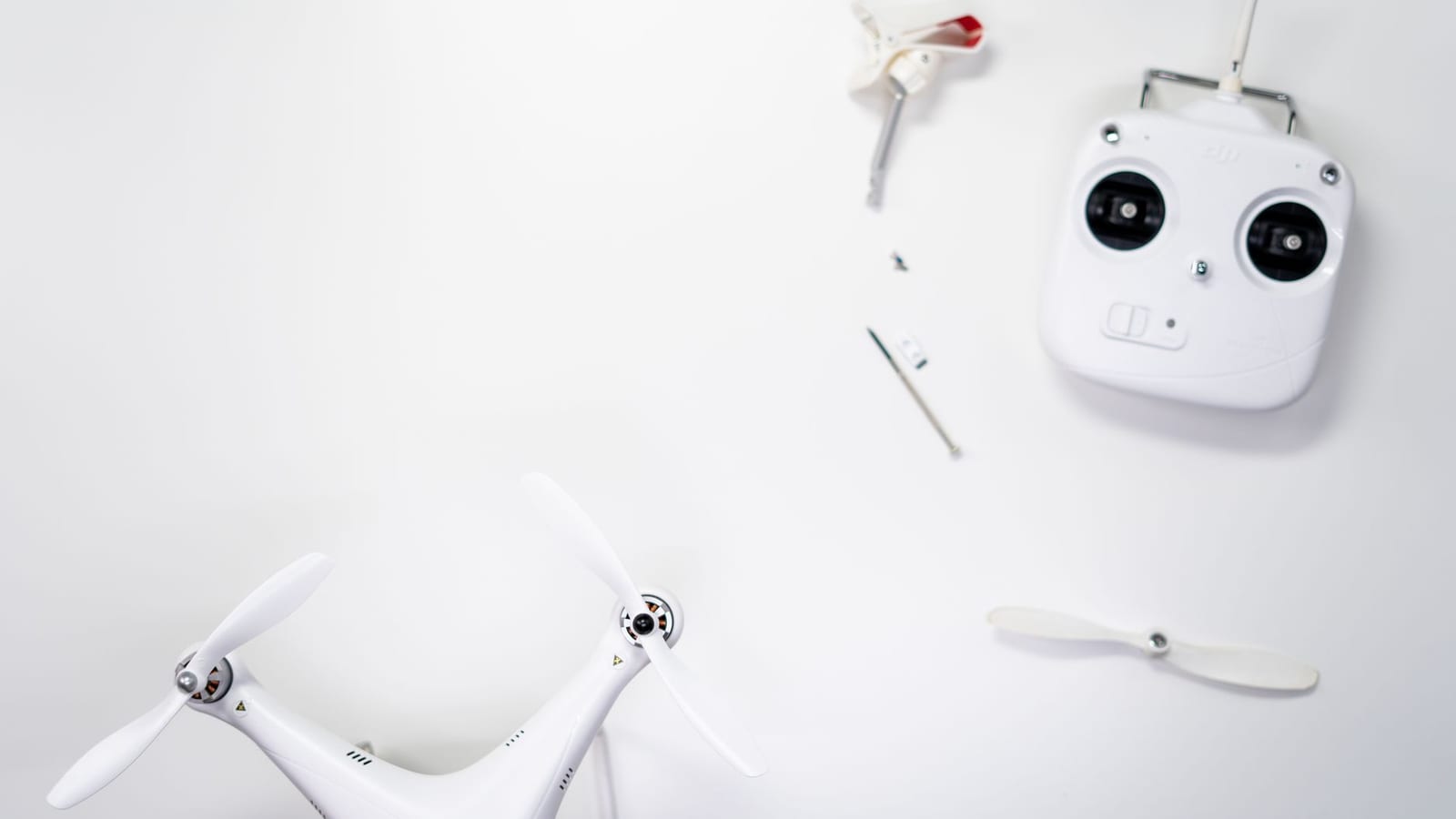
A tablet-sized jammer can now sit at the heart of Europe’s most watched war.
Volodymyr Zelenskyy reached England on Monday with a simple message for allies. Ukraine needs weapons, training, and time. It also needs friends who do not get tired.
His meeting with new British Prime Minister Andy Burnham came just before Zelenskyy’s expected Washington talks with Donald Trump. That timing matters. Kyiv wants London and Washington to hear the same thing.
Britain sends a clear signal
Burnham has been prime minister for only a week. Zelenskyy is the first foreign leader to visit him.
That makes the meeting more than a photo opportunity. Britain wants to show Moscow that a change at Downing Street has not changed its Ukraine policy.
Burnham said Russia should not doubt Britain’s resolve. He said the UK would keep backing a lasting and fair peace for Ukraine.
For Zelenskyy, the symbolism helps. Since 2022, he has dealt with five British prime ministers. Each change brings uncertainty. Each fresh promise buys Kyiv some confidence.
Stone Cloak enters the war
The most practical part of the visit is Stone Cloak, Britain’s electronic warfare system.
The UK government says the device can jam Russian air defences. In plain English, it helps drones avoid detection and targeting.
Britain will give Ukraine the intellectual property behind the system. That means Kyiv can make it at scale, instead of waiting for each shipment.
This matters because drone warfare now shapes the war’s rhythm. Ukraine has used drones to hit oil sites, military factories, logistics hubs, and Russian-held supply routes.
For ordinary Ukrainians, this is not abstract technology. Better drones can slow Russian attacks. Better jammers can protect soldiers sent into dangerous zones.
Training moves to Portsmouth
Burnham and Zelenskyy were due to visit Portsmouth, on England’s south coast.
There, more than 200 Ukrainian military personnel have trained for three weeks. The training focuses on fighting capability and mine-countering work in the Black Sea.
That last part deserves attention. Mines do not make headlines like missiles do. But they can choke ports, threaten ships, and disrupt grain movement.
For countries like India, that matters too. Wars far away can still disturb food prices, shipping insurance, and fuel costs.
Ukraine’s Black Sea routes once carried huge volumes of grain. Every strike near ports and shipping lanes sends a message beyond Europe.
Drone attacks widen the battlefield
Even as Zelenskyy travelled, Russia attacked Ukraine overnight with 147 long-range drones.
Ukraine’s air force said it intercepted or jammed 123 of them. That still left enough drones to kill and wound civilians.
In Zaporizhzhia, officials said one person died after strikes damaged homes and a high-rise building. In Balakliia, local authorities reported one death and eight injuries.
In the Nikopol district, officials said strikes damaged a kindergarten, homes, and infrastructure. A woman and a six-year-old boy were injured.
These details are the war’s real ledger. Not just maps. Not just weapons. Homes, schools, petrol pumps, and families absorb the cost.
Romania feels the spillover
The war also keeps brushing against NATO’s borders.
Romania’s defence ministry said a drone briefly entered its airspace before returning to Ukraine. Romania sent two F-16 fighter jets to monitor the skies.
Officials said this was the fourth such incident in four days. The previous three drones were shot down.
For Indian travellers, students, and workers in Europe, this is a reminder. The war may sit on maps as Ukraine’s crisis, but its shadow moves across the continent.
There are no new travel rules in the source material here. Still, airspace scares near NATO territory matter for insurers, airlines, and governments.
Moscow and Tehran raise pressure
Russia said its air defences shot down 276 Ukrainian drones overnight.
Rostov’s regional governor said a Ukrainian drone hit an apartment building in Rostov-on-Don. He said five people, including a child, were killed.
Ukraine’s military said it struck an export terminal in Rostov-on-Don and set it on fire. It also claimed hits on logistics and drone-control targets in Russian-held areas.
Then Iran entered the picture. Foreign Minister Abbas Araghchi accused Ukraine of striking an Iranian vessel in the Caspian Sea.
Zelenskyy said Ukrainian long-range strikes in the Caspian Sea had produced strong results. He said the targets included vessels linked to military cargo connected with Iran.
Ukrainian Foreign Minister Andrii Sybiha rejected Iran’s threats. He said Tehran had helped Russia by supplying weapons.
This is where the war gets harder to contain. Ukraine is not only fighting Russian troops. It is also confronting supply chains, weapons partners, and maritime routes.
For India, the lesson is familiar. A distant conflict rarely stays distant for long. It travels through oil, shipping, defence ties, food prices, and airport screens.
Zelenskyy’s England visit shows one clear thing. The war has entered a phase where small devices and big alliances move together. A jammer the size of a tablet may not end the fighting. But it shows how modern wars change quietly, piece by piece, until ordinary people feel the result at home.