Hormuz risks rise as Qatar hosts US and Iran envoys
Qatar is set to host US and Iranian teams as Tehran denies direct talks, keeping Hormuz, fuel prices, shipping and Gulf travel in focus.
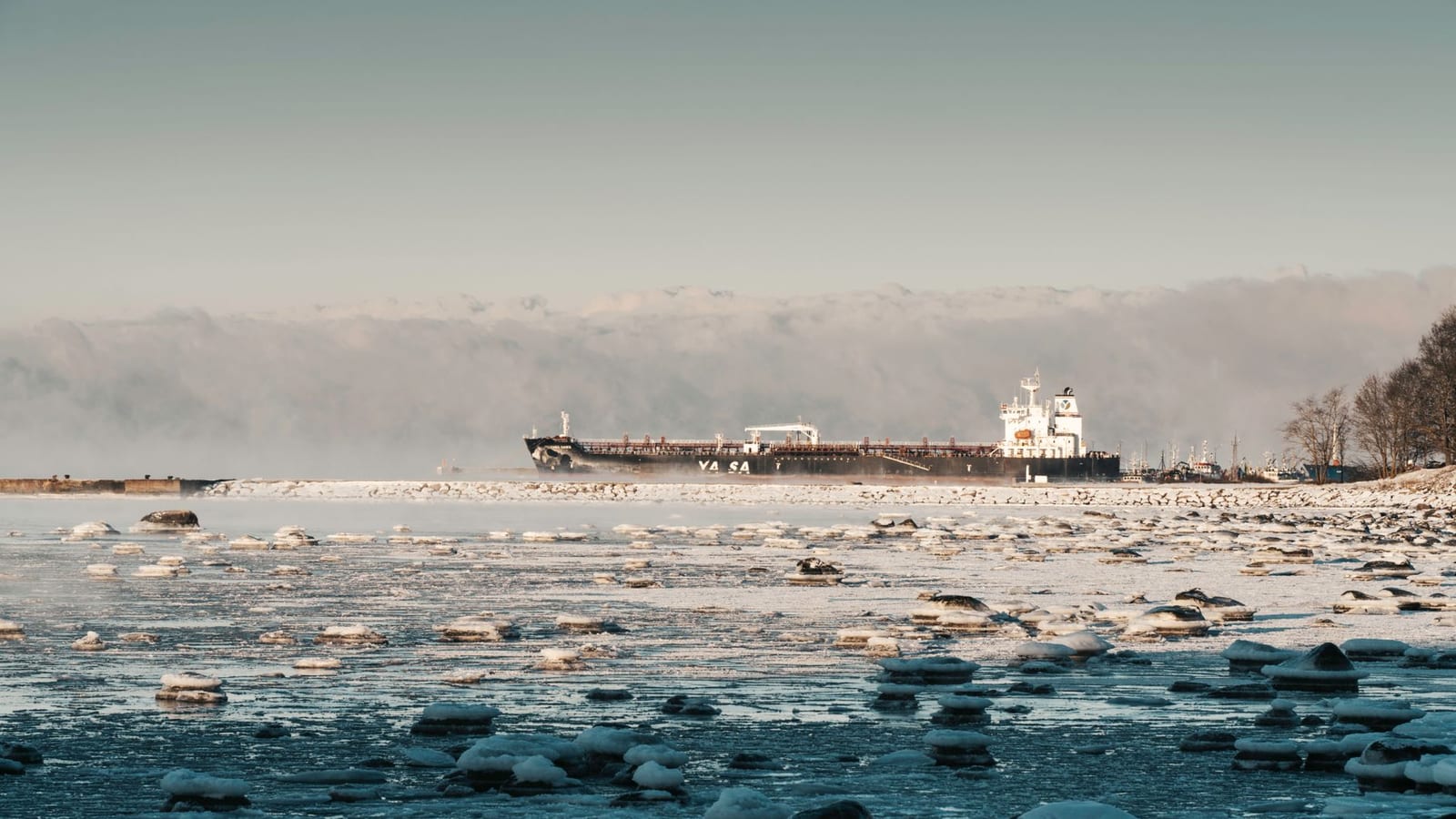
A tanker captain does not need a speech in Washington or Tehran to know danger.
He reads it in insurance costs, delayed routes, nervous crew, and silent waters near the Strait of Hormuz. That narrow stretch now sits at the centre of a bigger argument between the United States and Iran.
For Indian readers, this is not distant geopolitics. When Hormuz shakes, petrol pumps, air tickets, shipping bills, and Gulf travel plans can all feel the tremor.
Doha talks face public confusion
Donald Trump says Iran asked for a meeting in Doha. Tehran says no direct meeting with Washington has been fixed.
That one contradiction tells us enough. Both sides want room to talk, but neither wants to look weak.
The US plans to send special envoy Steve Witkoff and Jared Kushner to Qatar. Iran says its team will also travel there this week.
But Iranian officials insist their team will speak about the interim deal through mediators. They say no talks with the American side are scheduled.
Qatar now plays the quiet host. Pakistan and Oman also remain involved in mediation efforts.
This is classic back-channel diplomacy. The microphones say one thing. The rooms behind closed doors may carry another message.
Hormuz remains the real pressure point
The Strait of Hormuz is why this crisis matters far beyond the Gulf.
Before the war began, about one-fifth of the world’s oil moved through this waterway. That is not just an energy statistic. It is a household budget issue.
If ships cannot move safely, crude prices jump. Freight costs rise. Airlines watch fuel bills. Consumers eventually pay.
Iran has attacked vessels in the strait in recent days, including a tanker carrying Qatari crude. The US responded with airstrikes.
Iran then launched drones and missiles at targets in Bahrain and Kuwait. Both sides seemed to pause attacks on Monday.
For Indian families with relatives in the Gulf, this kind of escalation brings a familiar worry. Flights may continue, but uncertainty adds stress.
For exporters and importers, a blocked route means delayed cargo and higher insurance costs. For ordinary drivers, it may mean costlier fuel.
Interim deal buys fragile time
The interim agreement gives both sides 60 days to find a wider settlement.
Under the deal, Iran will dilute its stockpile of enriched uranium. In simple terms, it must reduce material that worries the West.
The deal also eases US-backed oil sanctions on Iran. It calls for free movement through Hormuz.
That last point matters most right now. A nuclear clause may sound abstract. A blocked oil lane hits wallets quickly.
Iranian President Masoud Pezeshkian has also referred to the expected release of frozen Iranian funds held in Qatar.
A US official said Qatar may release $6 billion. The money would reportedly buy American food products for Iranian people.
That detail shows the bargain’s political design. Iran gets access to money. Washington says the funds serve ordinary citizens.
Still, nothing looks settled. Even the question of who meets whom has become a public dispute.
Oman rejects transit fees
Oman has tried to keep the shipping issue within international rules.
Foreign Minister Badr al-Busaidi said Oman and Iran discussed service-related charges for commercial ships. These could cover safety, navigation, pollution control, and fire readiness.
But he drew a line at transit fees. Oman says charging ships simply to pass through would violate international rules.
That distinction matters. A safety service charge sounds technical. A transit fee looks like a toll gate on global oil.
Gulf Arab states and the US strongly oppose any cost on passage. No such fee has existed in the strait before.
France has also entered the picture. President Emmanuel Macron said France and others were coordinating mine-clearing efforts.
Iran pushed back sharply. Iranian negotiator Kazem Gharibabadi said only Iran can handle demining under the interim deal.
That tells us another thing. Security work itself has become political territory.
Lebanon adds another fault line
The same regional fire has also touched Lebanon.
Lebanese President Joseph Aoun says his government wants troops along the full southern border. This follows a framework agreement with Israel.
Hezbollah, backed by Iran, has rejected the deal. The group triggered the latest war with Israel in March by firing rockets across the border.
The agreement says Hezbollah must disarm before Israel withdraws from southern Lebanon.
Israel has agreed to pull back first from a few pilot zones. Lebanese troops would then deploy there.
But nobody has shared clear details on how this would work. That gap matters in a region where vague deals often collapse.
The Lebanon track also shows why US-Iran talks cannot stay limited to nuclear terms. Iran’s influence runs through several flashpoints.
For India, the lesson is simple. Regional conflict rarely stays regional when energy lanes and migrant corridors are involved.
What happens next depends on whether Qatar, Pakistan, and Oman can keep messages moving. Direct talks may happen, or they may not. But ships, airlines, traders, and families cannot live on diplomatic wordplay for long. If Hormuz stays tense, ordinary people across Asia will feel it before leaders admit the cost.