Hormuz Shipping Tensions Put India Fuel Costs on Watch
Iran's tanker warning in the Strait of Hormuz could pressure oil prices, freight costs and Indian fuel inflation if shipping slows.
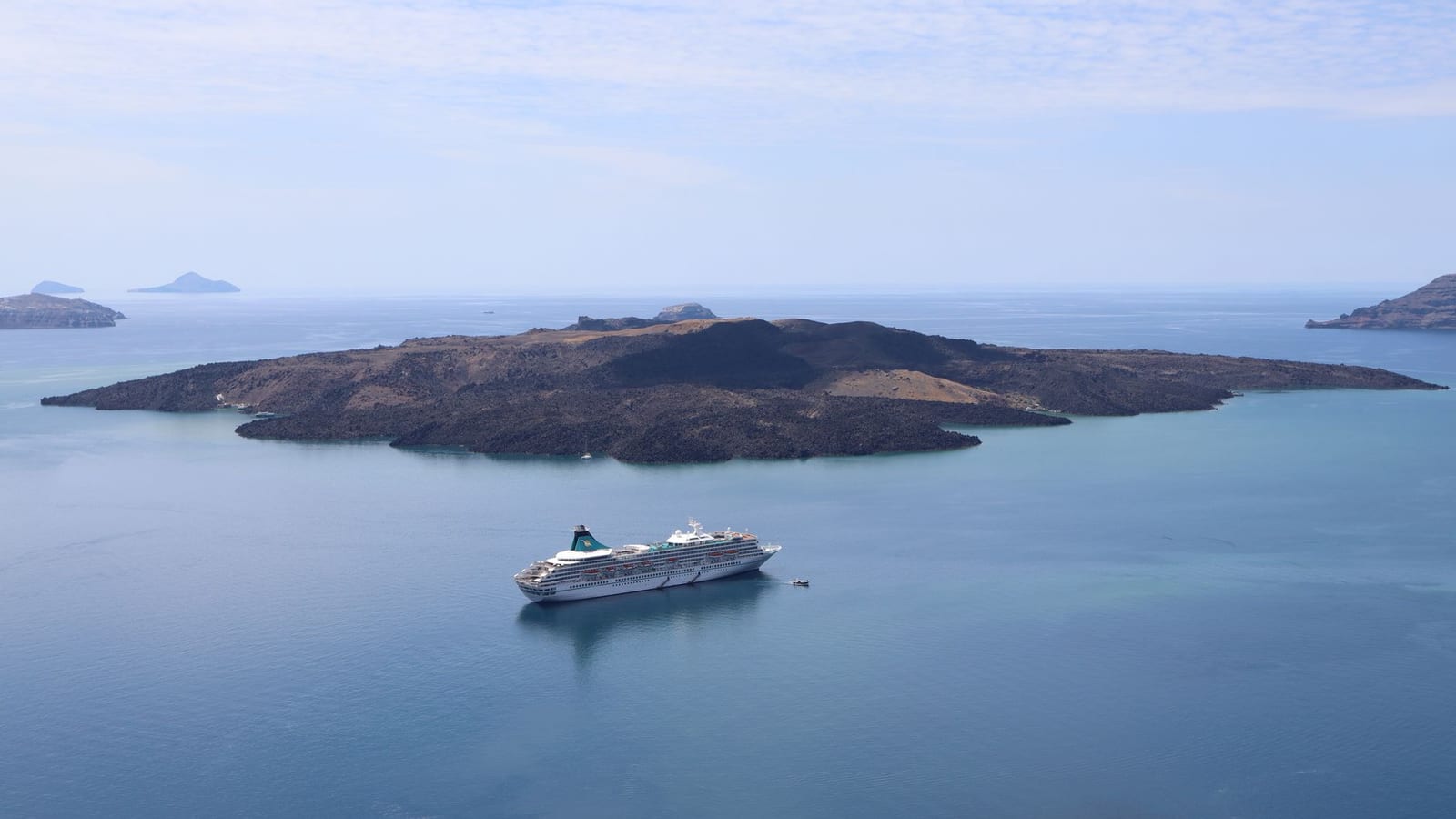
Every Indian petrol bill has a sea route hiding inside it. This week, that route became tense again.
Iran has warned oil tankers moving through the Strait of Hormuz to stick to Tehran-approved routes, or face a forceful response. That sounds like distant military language. For India, it is anything but distant.
This narrow waterway sits between Iran and Oman. A huge share of the world’s oil shipments passes through it. When ships slow down there, fuel markets everywhere start watching. So do airlines, exporters, shipping firms, and ordinary families planning travel budgets.
Why Hormuz matters to India
The Strait of Hormuz is not just a line on a map. It is one of the world’s busiest energy corridors. Tankers carrying crude oil and fuel products pass through it every day.
For India, the issue is simple. We import most of the oil we use. Even when India buys from different countries, global oil prices still react to trouble at major shipping routes.
So a warning issued near the Gulf can show up later in Indian fuel prices, air tickets, freight charges, and inflation. Nobody feels it immediately at the petrol pump the same evening. But markets start pricing risk quickly.
That matters to families booking summer travel, small tour operators, and airlines already managing thin margins. Aviation fuel forms a large part of airline costs. When oil prices get nervous, budget travel gets nervous too.
The Gulf also matters because millions of Indians live and work there. Any strain in the region makes families back home watch flights, remittances, and safety advisories more closely.
Iran draws a hard line
Iran’s joint military command has said tankers must follow routes approved by Tehran. It also warned against any interference by US Central Command forces in the strait.
The statement did not clearly explain what triggered this sharp warning. But it came after US military officials met representatives from Middle East countries in Bahrain. They discussed keeping commerce moving freely through the waterway.
That phrase, free flow of commerce, sounds dry. In plain terms, it means ships should pass without one country controlling routes, fees, or permissions.
Iran sees the strait differently. Under an interim arrangement with the United States, ships can pass without charges for 60 days. But Tehran has pushed to control shipping routes and collect fees later.
The US and several Gulf Arab states oppose that idea. They do not want Iran to turn the strait into a toll gate. That disagreement now sits at the centre of the wider crisis.
For shipping companies, this creates a brutal daily choice. Follow Iran’s preferred route and risk angering others. Or use the route near Oman monitored by US forces, and risk Tehran’s reaction.
Ships move, but confidence falls
The surprising part is that ships have not stopped moving. Lloyd’s List Intelligence counted at least 258 ships through the waterway last week. That was higher than the previous week’s 138 ships.
But those numbers need context. Before the war, about 130 vessels crossed the strait every day. So traffic may be recovering, but it is still far from normal.
Richard Meade of Lloyd’s said operators are making route decisions hour by hour. That tells you the real story. Shipping is functioning, but confidence has taken a hit.
For global trade, uncertainty can be as costly as a direct blockade. Insurance costs rise. Captains wait for approvals. Cargo owners plan delays. Everyone adds a risk premium.
That premium eventually travels through the system. It can raise the cost of moving goods, including energy. India, as both a major importer and exporter, cannot ignore that.
Tourism also sits quietly in this chain. Airlines do not need a full-blown crisis to rethink costs. Even the fear of expensive fuel can shape fares on Gulf, Europe, and long-haul routes.
Talks continue under pressure
The warning came while diplomatic talks continued through mediators in Qatar. Pakistani Foreign Ministry spokesperson Tahir Andrabi described the discussions as showing positive progress.
That may sound contradictory. One side threatens tankers, while diplomats speak of progress. But this is how tense negotiations often work. Public pressure and private talks move together.
Iran is also preparing for the funeral of its late Supreme Leader Ayatollah Ali Khamenei, who was killed in February during the war’s opening moments. That adds emotion and political pressure inside Iran.
After such a moment, no Iranian leadership wants to appear weak. That may partly explain the hard tone over the strait.
At the same time, Iran knows a complete shutdown would hurt many countries, including buyers and neighbours it still needs. The warning may be meant to control behaviour without fully stopping traffic.
That is the dangerous middle zone. Ships keep moving, but every captain knows one wrong turn could become a regional incident.
What travellers should watch
For Indian travellers, this is not a reason to panic. Flights to the Gulf or beyond do not automatically become unsafe because of tanker warnings. Air routes and sea routes operate differently.
But travellers should stay practical. Anyone planning Gulf travel should monitor airline alerts, check cancellation rules, and avoid booking the cheapest non-refundable option if plans are uncertain.
Families visiting workers in the Gulf, business travellers, and students connecting through West Asia should keep documents and insurance in order. That is sensible travel hygiene in tense times.
The bigger effect may come through fares rather than direct disruption. If fuel costs rise, airlines may pass some of that burden to passengers. It may not happen overnight, but it can creep in.
Small travel businesses feel this first. A tour operator selling fixed-price packages cannot easily absorb sudden flight changes. A family planning a long-awaited holiday may postpone if tickets jump.
The Strait of Hormuz is far away from Delhi, Mumbai, Kochi, or Ahmedabad. But modern life has made distance deceptive. A narrow channel near Oman can touch an Indian fuel bill, a flight ticket, a shipping invoice, and a family WhatsApp group waiting for news from Dubai.
For now, the ships are still moving. That is the good news. The worry is that they are moving through a route where politics, pride, and oil all share the same crowded lane.