Kerala travel clubs drive rise of stranger trips
Travel communities in Kerala are drawing solo travellers into group trips with strangers, offering flexible weekend escapes from major cities.
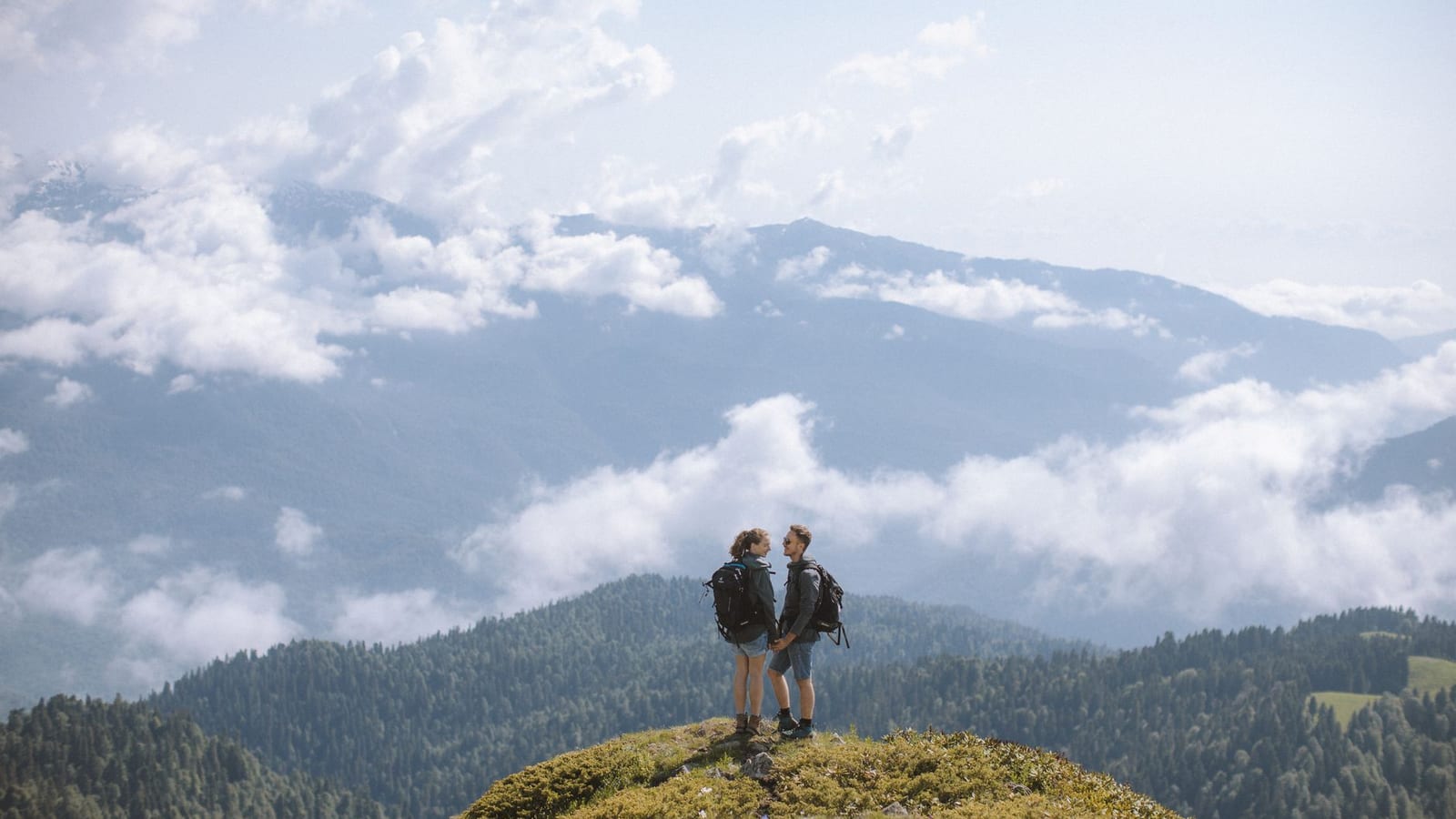
At 4 am in Kochi, a bus hub can feel like an airport without the glamour.
At Vyttila, twenty strangers stand with backpacks, half-sleepy smiles, and the usual first-trip awkwardness. By sunrise, many of them will be climbing misty slopes near Kolukkumalai, sharing tea, stories, songs, and phone chargers.
This is the new pull of stranger trips in Kerala. You do not wait for friends to get leave. You do not cancel because one cousin dropped out. You sign up with a travel community, join a group, and go.
Kerala’s new social travel habit
Stranger trips are group journeys where most people do not know each other before departure. Travel clubs and community organisers bring them together, usually through Instagram and WhatsApp.
The format has caught on across Kochi, Kozhikode, Thiruvananthapuram, and Kannur. Most trips target young travellers, but organisers say the age range can be surprisingly wide.
Travel Buddies organiser Achu Helen says participants have ranged from teenagers to senior citizens. She adds that young people still form the biggest chunk.
That detail matters. Kerala has always travelled well, but this is a different kind of movement. It mixes backpacking, weekend escape, social networking, and the old Indian habit of making friends on the road.
The big promise is simple. You can travel even when your usual circle is busy.
For a young professional in Ernakulam, that is not a small thing. Leave calendars, budgets, family approvals, and friend-group drama often kill a plan before it starts.
Stranger trips cut through that waiting game.
How these trips actually work
Most organisers announce a camp online with dates, pickup points, destination, rules, and cost. Travellers register, join a temporary group, and get final details close to departure.
The first hour usually feels stiff. Some organisers use ice-breaker games. A few begin with meditation. The point is to make people comfortable before the road opens up.
Transport varies by budget and route. Some groups use KSRTC buses until a main town, then shift to jeeps. Others book tourist buses for larger groups.
Sreenath G of Circuit With Strangers says his team takes groups of 49 in tourist buses. He says Munnar and Kodaikanal bring strong enquiries.
Many camps end with tents in forested areas, hill country, riversides, or beach stretches. Some packages include off-road jeep rides, short treks, hikes, campfires, music, and shared meals.
This is not luxury travel. That is part of the appeal.
When transport, stay, and local movement get split across a group, the cost drops. A student or early-career worker can join a weekend camp without planning every detail alone.
Mist, music and budget tents
The most popular routes show what travellers want from these trips. Suryanelli, Kolukkumalai, Vattavada, Kanthalloor, Vagamon, Wayanad, Varkala, and Alappuzha see strong demand.
The hill trips sell one thing very well, a sunrise over the Western Ghats. For many first-timers, that single morning view justifies the sleep loss.
Vattavada and Kanthalloor offer cold air, vegetable farms, and long drives through high ranges. Vagamon gives rolling meadows and easier weekend access. Varkala and Alappuzha serve the beach and backwater mood.
Some Kerala-based groups also run stranger trips outside the state. Matheran, Spiti Valley, Kashmir, Manali, Munnar, and Kodaikanal appear on organiser calendars.
Nadan Camp coordinator Shahzad Ali says his team conducts up to 300 trips a year. He says they provide separate tents for women.
That number tells you something. This is no longer a tiny backpacker subculture. It has become a serious weekend travel format with repeat demand.
Oppam founder Shahad Ibrahim says his group sometimes brings a guitarist along. The mood, he says, settles before the group even reaches camp.
His group bans alcohol. Other organisers may allow it, depending on their rules. That variation makes reading the trip terms essential.
The real draw is offline
The marketing says trekking and camping. The deeper attraction is human company without the pressure of old labels.
People are tired of endless digital contact. They chat all day, react to stories, and still feel oddly alone.
Stranger trips offer a rare middle ground. You meet new people, but within a planned structure. You get freedom, but not total uncertainty.
A coordinator stays with the group. The itinerary gives everyone something to do. Activities reduce awkwardness because nobody has to perform friendship immediately.
That is why campfires work so well. People who barely spoke at the pickup point often talk freely by night. Songs and shared discomfort do half the work.
Shahad Ibrahim says some travellers begin with hesitant smiles and return with emotional goodbyes. That may sound filmi, but anyone who has taken a long group journey knows the feeling.
Roads speed up trust in strange ways.
Achu Helen says organisers do not interfere in travellers’ privacy. She also says some people have formed relationships after meeting at camps.
That line deserves care. Privacy and personal boundaries make or break this model. A good stranger trip should never feel like forced bonding.
Safety is the real test
The rise of stranger trips also brings a practical question. How safe are they when people meet through social media?
The answer depends less on the idea and more on the organiser. Reviews, clear rules, trained coordinators, transport quality, and emergency planning matter.
Travellers should check the group’s track record before paying. They should look for proper pickup details, stay information, cancellation terms, and basic safety instructions.
Women travellers, especially solo participants, should ask direct questions. Separate tents, verified coordinators, alcohol rules, and complaint channels are not minor details.
Parents will also watch this trend closely. When organisers say participants can include teenagers, the duty of care becomes much higher.
The best groups seem aware of this. Many stress privacy, consent, and conduct rules. Some ban smoking and drinking to keep the mood controlled.
Still, India’s travel market often grows faster than its safeguards. Stranger trips need discipline if they want to remain trusted.
This trend says something larger about Indian travel in 2026. Young people want experiences, but they also want flexibility, affordability, and real connection. Kerala’s stranger trips sit exactly at that crossing. For ordinary travellers, the next weekend plan may no longer depend on who is free. It may depend on whether they are ready to say hello at 4 am.