Dussehra 2024 Puja Timings Guide Rituals and Markets
Dussehra 2024 timings, Vijay muhurat and rituals shaped puja plans, market activity and community events across Indian cities.
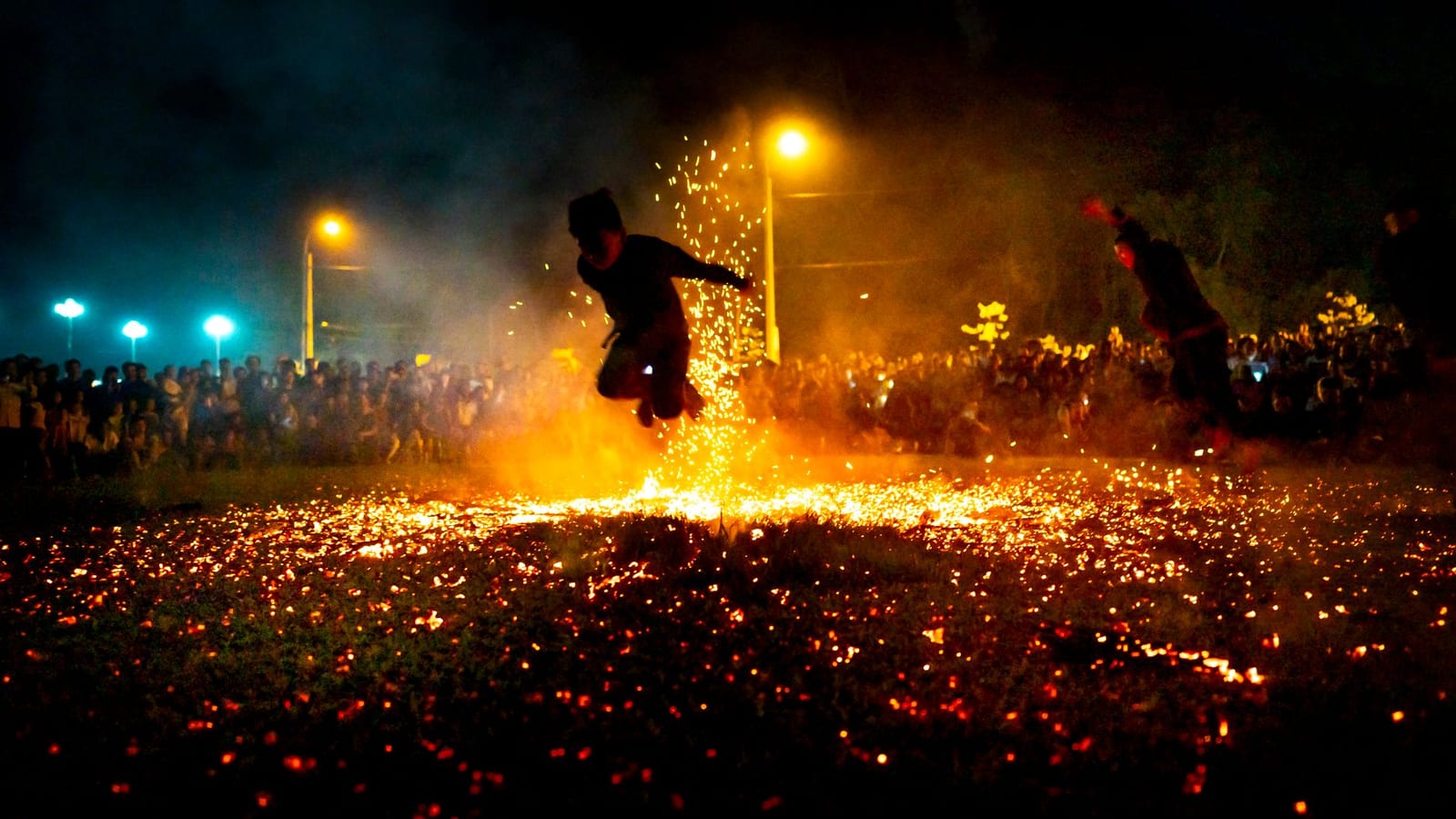
For shopkeepers, pandal organisers and families, Dussehra is never just one evening of fireworks. It is the day when faith, timing and local business all move together.
In 2024, Dussehra fell on Saturday, October 12. Across many Indian cities, that meant a busy day for markets, temple committees, sweet shops, tailors, transport operators and neighbourhood Ramleela grounds.
The festival marks the victory of good over evil. But on the ground, it also marks something simpler. Families step out, traders reopen accounts, workers worship tools, and communities gather after nine days of Navratri.
Dussehra timings for 2024
The Dashami tithi began at 10.58 am on October 12, 2024. It ended at 9.08 am on October 13, 2024.
Shravan nakshatra began earlier, at 5.25 am on October 12. It continued until 4.27 am on October 13.
These timings matter because many families plan puja, travel and community events around them. In India, festival logistics often follow the panchang before they follow the clock.
Drik Panchang placed the Vijay muhurat from 2.02 pm to 2.48 pm. That gave devotees a 46-minute window for key rituals.
The broader afternoon puja period ran from 1.16 pm to 3.35 pm. This window mattered for Shami puja, Aparajita puja and Shastra puja.
Ravan Dahan was considered most suitable during Pradosh Kaal. In 2024, the suggested time was 5.53 pm to 7.27 pm.
Why the evening matters
For most families, Ravan Dahan is the public face of Vijayadashami. Children remember the tall effigies. Parents remember the crowd. Local traders remember the sudden evening rush.
The ritual comes from the belief that Lord Rama killed Ravana on this day. The story places Dussehra as a moral marker, not just a calendar event.
That is why the burning of Ravana still draws crowds. It gives people a simple visual language for a large idea, that arrogance must eventually fall.
There is also another tradition linked to the day. Hindu belief holds that Maa Durga defeated Mahishasura on Vijayadashami. So the festival carries both Ramayana and Durga Puja meanings.
This layered meaning helps explain its scale. In north India, Ramleela grounds dominate the mood. In eastern India, Durga idol immersion shapes the day.
For local economies, both traditions create activity. Flowers, sweets, costumes, bamboo, lighting, transport and food stalls all see demand.
Puja rituals families follow
The Dussehra puja method is simple enough for most homes. Families usually place a clean red cloth on a small platform.
They then install images or idols of Lord Rama and Maa Durga. Rice is coloured with turmeric and used in the ritual space.
A swastik is drawn as a symbol of auspiciousness. Lord Ganesha and the Navgrahas are invoked before the main worship.
Families then offer flowers, fruits and sweets. Many also donate food, clothes or money to someone in need.
Shastra puja has a special place on Dussehra. Traditionally, people worship weapons. In modern life, the meaning has widened.
A soldier may worship arms. A mechanic may worship tools. A driver may decorate a vehicle. A shopkeeper may place account books near the puja space.
That is where the festival quietly enters the economy. It treats work tools with respect, whether they sit in a factory, garage, shop or home office.
The business rhythm of faith
Dussehra also begins the wider festive spending season. Diwali follows about 20 days later, and families start planning purchases around this period.
This is when many households loosen their budgets. Clothes, gifts, sweets, home repairs, two-wheelers and electronics come back into discussion.
For a kirana store owner in a tier-2 city, the change is visible. Footfall rises, families buy in larger quantities, and local credit cycles often stretch.
For small vendors near Dussehra grounds, one evening can matter. Snacks, toys, balloons and seasonal items move fast when crowds gather.
Yet the costs also rise. Organisers spend on permissions, lighting, security, artists, sound systems and effigy material.
That spending supports many informal workers. Carpenters, painters, electricians, tailors and transport workers often depend on this short festive burst.
The press release version of festivals usually speaks of culture. The marketplace version is more direct. Faith brings people out, and people bring demand.
Still, not every benefit is evenly shared. Big retail chains may capture high-value purchases. Small sellers depend on location, weather and crowd control.
A delayed permission, sudden rain or weak turnout can hit them hard. For informal workers, festival income rarely comes with protection.
That is the less glamorous part of India’s festive economy. It runs on trust, advance spending and thin margins.
What Dussehra still tells India
Dussehra survives because it does many jobs at once. It gives families a ritual, children a memory, traders a season, and communities a reason to gather.
The 2024 timings offered structure to that shared day. The Vijay muhurat guided afternoon worship. The Pradosh Kaal window shaped the evening Ravan Dahan.
But the larger story sits beyond the clock. Festivals like Dussehra show how deeply belief and business still overlap in India.
A puja at home, a tool garlanded at work, a crowd at the maidan, a sweet box sent to a client, they all belong to the same economy.
For ordinary readers, that is the real takeaway. Dussehra is not only about looking back at an old victory. It is also about how Indians reset hope, work and spending before the year’s biggest festive stretch begins.