Oil Cools as Israel Lebanon Border Talks Near in Rome
US-backed Israel-Lebanon talks in Rome could test a fragile border plan, while the Iran pause eases oil prices and India's fuel cost worries.
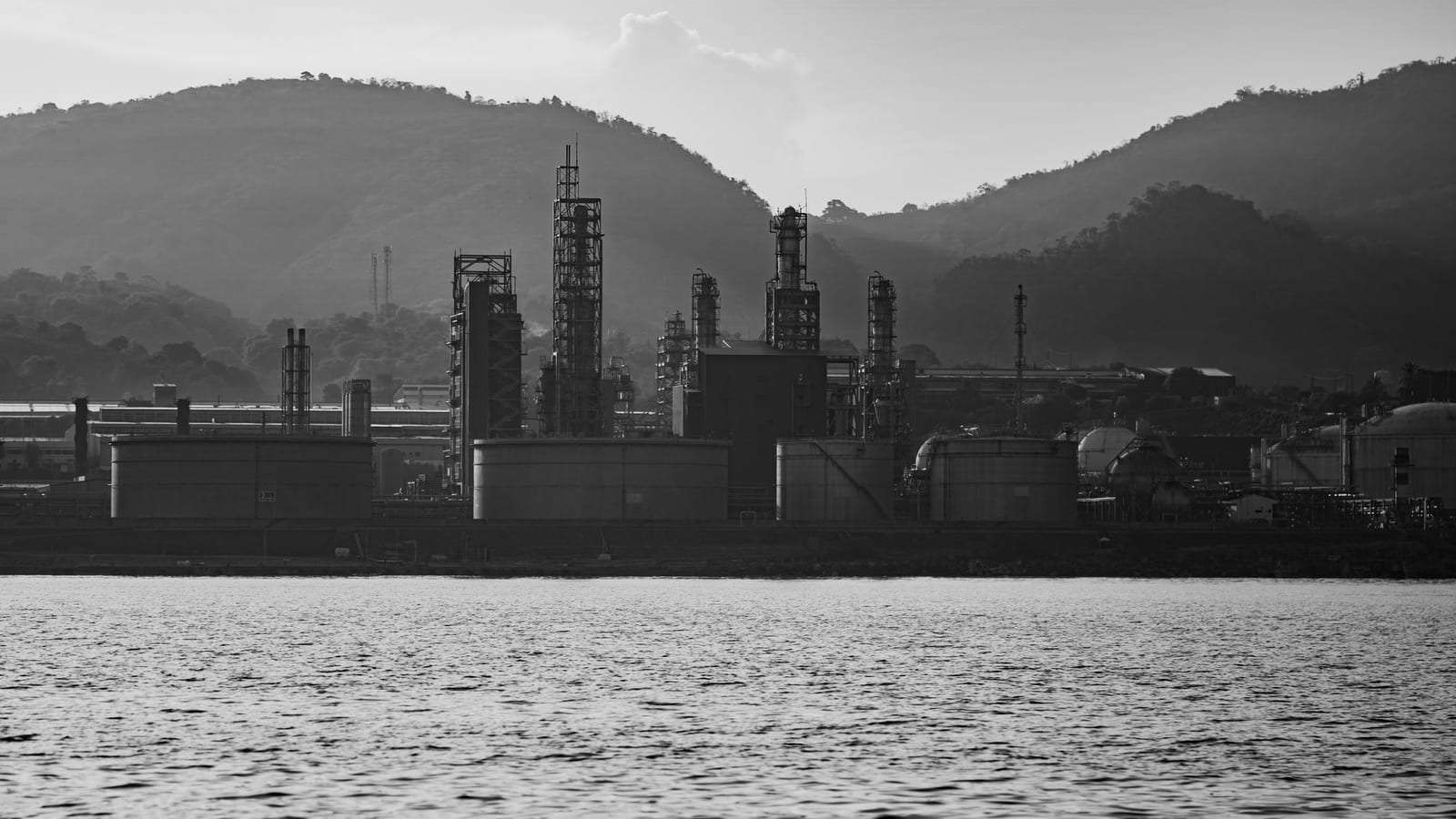
A barrel of oil can feel very far from an Indian household, until petrol prices start pinching the monthly budget.
That is why the fresh pause in US and Iranian attacks matters well beyond West Asia. It has already cooled oil prices. It has also opened a narrow diplomatic window, even as the Red Sea and Lebanon border remain tense.
For India, this is not distant theatre. It is about fuel bills, shipping costs, migrant workers, and the price of everything from onions to airline tickets.
Rome talks test Lebanon truce
Representatives of Israel and Lebanon are expected to meet in Rome between August 4 and 6, a US State Department official said.
The talks will focus on a US-backed security framework along the Israel-Lebanon border. The aim is simple on paper, but difficult on the ground.
Lebanese forces are meant to take control in selected southern areas. Hezbollah, the Iran-backed militia, must be disarmed there. Israeli forces would then withdraw in stages.
Three pilot zones have already started in Frun, Srifa, and Sautar al-Gharbija in southern Lebanon. Washington says early signs look positive.
That optimism needs caution. Hezbollah is not part of these talks. It has long acted with power beyond an ordinary militia. Lebanon’s elected government also does not control every armed player inside the country.
For ordinary families in south Lebanon and northern Israel, the question is not diplomatic wording. It is whether children can sleep without blasts, and whether shops can reopen without fear.
Oil markets breathe, for now
The more immediate signal for India came from oil. Brent crude fell to around $92 a barrel, down more than 5 percent.
That drop followed a weekend pause in US attacks on Iran. Tehran also indicated it would hold back for now, while diplomatic channels moved quietly.
US President Donald Trump, through his UN ambassador Mike Waltz, signalled that he wanted to give talks some space. Oman has also played a mediation role, with a mediator reportedly travelling to Tehran.
This matters because oil had crossed $100 after 13 straight nights of US strikes on Iran. That kind of spike quickly reaches Indian consumers.
India imports most of its crude. When global prices rise, the pressure does not stay inside oil companies. It moves into petrol, diesel, freight, air travel, and eventually food prices.
A kirana store owner in a tier-2 city may not track Brent crude. But the transport cost on every carton reaches his bill.
The pause has reduced panic, not risk. Iranian officials remain sceptical about US intentions. One view from Tehran is that the pause may be tactical, not permanent.
That is the heart of this crisis. Markets calm down quickly when missiles stop. They panic faster when one tanker burns.
Red Sea pressure worries traders
The other danger sits on the water. Houthi attacks from Yemen have reduced shipping through the Red Sea, especially near Bab al-Mandab.
Kpler data showed only 11 commercial ships crossing that strait on Sunday. That was the lowest level in months.
The Houthis say they attacked Saudi Aramco facilities in Jizan and Yanbu. Saudi authorities have not confirmed every Houthi claim, but Riyadh has said it intercepted drones targeting oil sites.
Saudi spokesman Turki al-Maliki blamed Iran-backed militias operating from Iraqi territory for some drone attacks. He said Saudi Arabia reserved the right to respond.
The Saudi-led coalition also carried out air strikes in Yemen after an attack on a Saudi-flagged vessel. It said the targets were linked to threats against Red Sea shipping.
For Indian exporters, this is where foreign policy becomes freight policy. If Red Sea traffic slows, ships take longer routes. Insurance costs rise. Delivery schedules wobble.
A textile exporter in Surat or Tiruppur may not care who fired the drone. He will care when a European buyer complains about delays.
India’s trade with Europe depends heavily on predictable shipping. A longer route around Africa adds time and cost. That can hurt small exporters more than large conglomerates.
India watches the chokepoints
Two sea routes now sit at the centre of this conflict. One is the Strait of Hormuz, through which a large share of global oil moves. The other is Bab al-Mandab, which links the Red Sea to the Gulf of Aden and the Indian Ocean.
For India, these are not just lines on a map. They are arteries.
A disruption in Hormuz can raise crude prices. Trouble at Bab al-Mandab can raise shipping costs. If both become unstable together, India faces a double squeeze.
There are also millions of Indians working across the Gulf. Any wider conflict brings anxiety to families in Kerala, Telangana, Uttar Pradesh, Bihar, and Punjab.
The Indian government usually handles West Asia with quiet balance. It keeps ties with Israel, Iran, Saudi Arabia, the UAE, and the US. That is not fence-sitting. It is necessity.
This crisis again shows why that approach matters. India cannot afford to see West Asia only through one capital’s eyes.
Washington may call the pause a chance for diplomacy. Tehran may call it tactical. Riyadh may see a direct security threat. Israel will focus on Hezbollah. Lebanon wants breathing space.
India must read all of them together.
The hopeful part is that talks are still happening. Israel and Lebanon speaking directly, even within a narrow framework, is not a small thing. A working border arrangement can reduce one front in a crowded conflict.
But the harder truth remains. West Asia now behaves like a tightly wired circuit. A drone in Yemen, a tanker near Hormuz, a militia in Lebanon, and a decision in Washington can all move the price of diesel in India.
That is why ordinary Indians should watch this story closely. Not with panic, but with realism. Peace in West Asia is no longer just a diplomatic wish. It is part of India’s household budget.