Caribbean Internet Links Set for US Security Funding
Washington's undersea cable funding aims to secure Caribbean data links, with ripple effects for bookings, payments, cruise traffic and travel.
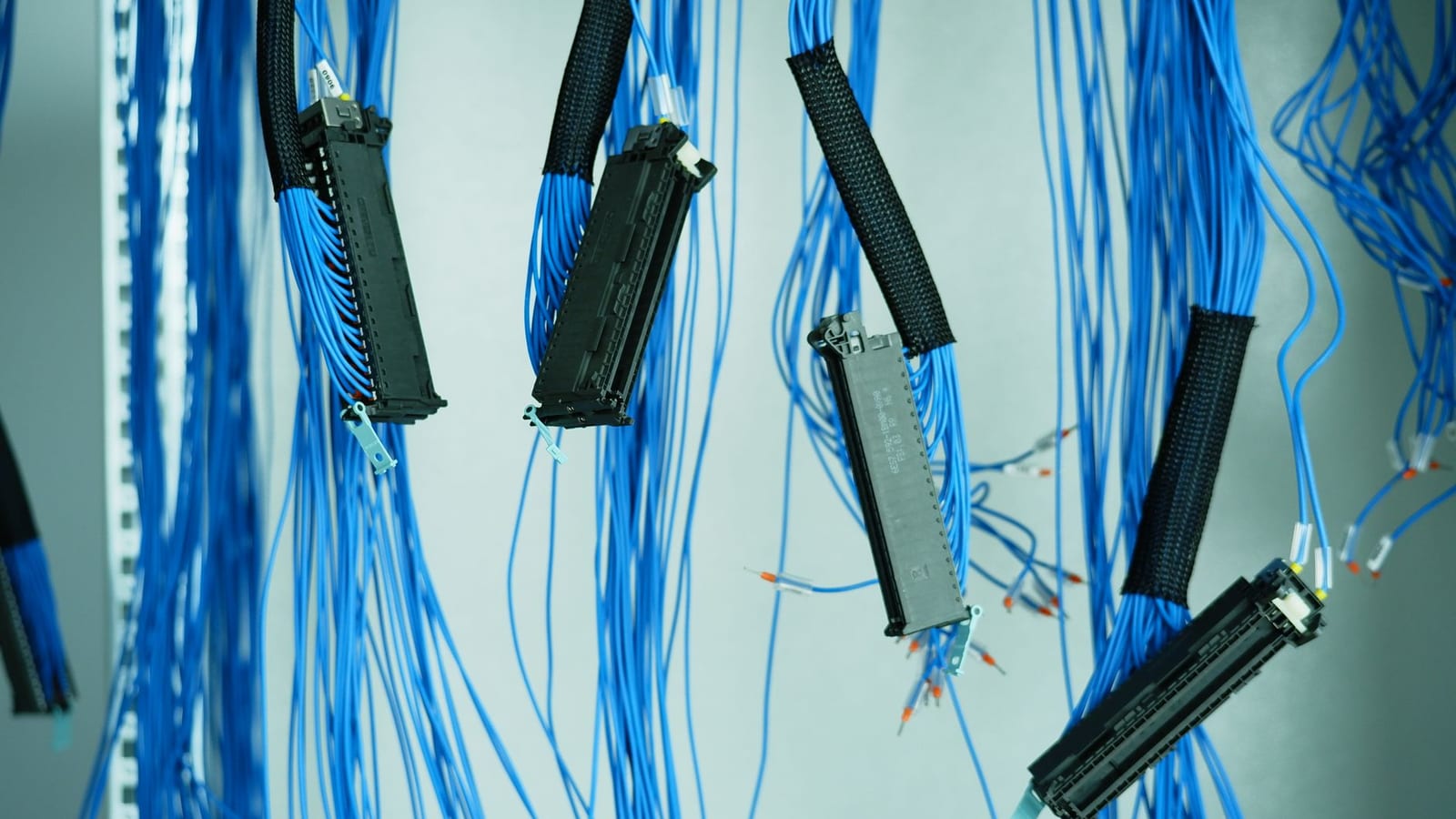
A hotel booking, a card payment, a cruise update, a video call home, all of it can depend on cables most travellers never see.
That is why Washington’s new cable plan in the Caribbean matters beyond diplomats and telecom engineers. The Trump administration wants USD 175.8 million to replace old undersea cables across the Caribbean and Central America.
For Indian travellers, this may sound far away. But modern travel now runs on invisible pipes of data. When those pipes come under geopolitical pressure, holidays, hotels, ports, airlines and payments all feel the tremor.
Why Washington wants new cables
The Donald Trump administration has told Congress it plans to fund new undersea telecommunications infrastructure in the region. The aim is clear. Washington wants “trusted” cable systems before Chinese firms deepen their hold.
These undersea cables carry internet traffic between countries. They help process bookings, payments, calls, maps and government data. When a country depends on another power for that network, it hands over quiet influence.
The State Department has argued that Chinese-backed projects often look cheaper at first. Officials say hidden costs, repair charges and performance issues can make them expensive later.
That line will sound familiar to many in Asia and Africa. Infrastructure money rarely comes without politics attached. Ports, power plants, rail lines and cables can all become bargaining chips.
Travel depends on invisible networks
For tourists, undersea cables sound less exciting than beaches or rainforest trails. Yet the travel business lives on them.
A resort in Haiti needs stable internet to confirm international bookings. A small tour operator in Guatemala needs online payments. Cruise operators, airports and border systems also depend on secure networks.
When connectivity fails, travellers notice immediately. Cards stop working. Boarding updates lag. Hotel staff cannot check reservations quickly. Families lose contact with people back home.
This is why the cable project has a travel angle, even if governments speak in security language. Better connectivity can make destinations easier to sell, visit and manage.
For Indian travellers, the Caribbean is still not a mass-market destination like Dubai, Singapore or Thailand. But wealthy leisure travellers, cruise passengers, students and business visitors do move through the region.
China’s shadow over ports
Washington’s concern does not stop at telecom cables. US officials have also flagged Chinese activity near the Panama Canal, one of the world’s busiest trade passages.
Chinese-linked ownership around ports has worried American policymakers for years. Ports and cables together form a powerful combination. One moves goods. The other moves information.
China’s Belt and Road projects have also reached Latin America and the Caribbean. Many countries welcomed that money because they needed roads, ports, energy systems and digital networks.
The problem starts when infrastructure turns into dependence. A poorer country may get a quick upgrade, but later find limited room to negotiate.
That is the part India should understand well. New Delhi has watched similar debates across South Asia and the Indian Ocean. Cheap capital can carry a strategic price.
A wider anti-China push returns
The cable proposal forms only one part of a bigger plan. Internal US planning documents point to more than USD 340 million for over 50 projects aimed at countering China.
The broader list covers the Western Hemisphere, Africa and Asia. Some projects would monitor threats to critical infrastructure and cyber systems in Argentina and Belize.
Other plans focus on Ecuador, Jamaica, Mexico, Paraguay, Peru and Uruguay. US officials say those countries face risks around ports, offshore fishing and critical minerals.
The administration also wants to revive programmes that earlier cuts had stalled. Those cuts hit the US Agency for International Development and removed many diplomatic posts abroad.
That matters because influence work needs people on the ground. Money alone cannot replace diplomats, aid workers and local relationships built over years.
The documents also mention efforts around Tibet, China’s space programme and surveillance technology exports. That shows the scale of Washington’s thinking.
This is not only about one cable. It is about who writes the rules for the next layer of global infrastructure.
Diplomacy at the same table
The timing is awkward but not unusual. Trump is expected to meet Xi Jinping in September around the UN General Assembly in New York.
Secretary of State Marco Rubio also met Chinese Foreign Minister Wang Yi last week at a security conference in the Philippines. Both sides continue to talk, even while they compete.
That is how great-power rivalry now works. Leaders smile for cameras, officials negotiate trade, and agencies quietly fund strategic projects elsewhere.
For small countries, this brings both opportunity and risk. They may get better infrastructure as the big powers compete. But they can also face pressure to choose sides.
El Salvador, Guatemala, Honduras, Nicaragua and Haiti may benefit from the cable plan. The US has made clear it does not intend to work with Nicaragua’s government directly.
That detail matters. Washington wants regional influence, but it still filters cooperation through politics.
For ordinary travellers and local businesses, the ideal outcome is simple. Faster internet, fewer outages, safer payments and smoother movement across borders.
But infrastructure built under strategic pressure often comes with strings. Countries will need to ask who owns the cable, who maintains it, and who controls the data.
The quiet lesson is this: the future of travel will not be shaped only by airports and airlines. It will also be shaped by cables lying deep under the sea. For anyone planning trips, running hotels or building tourism economies, that invisible network is now part of the journey.