FDA Team Attacked During Gutkha Seizure Near Waluj
Maharashtra FDA officers seized 25 sacks of banned gutkha near Waluj before a group allegedly threatened them and rammed a vehicle at the team.
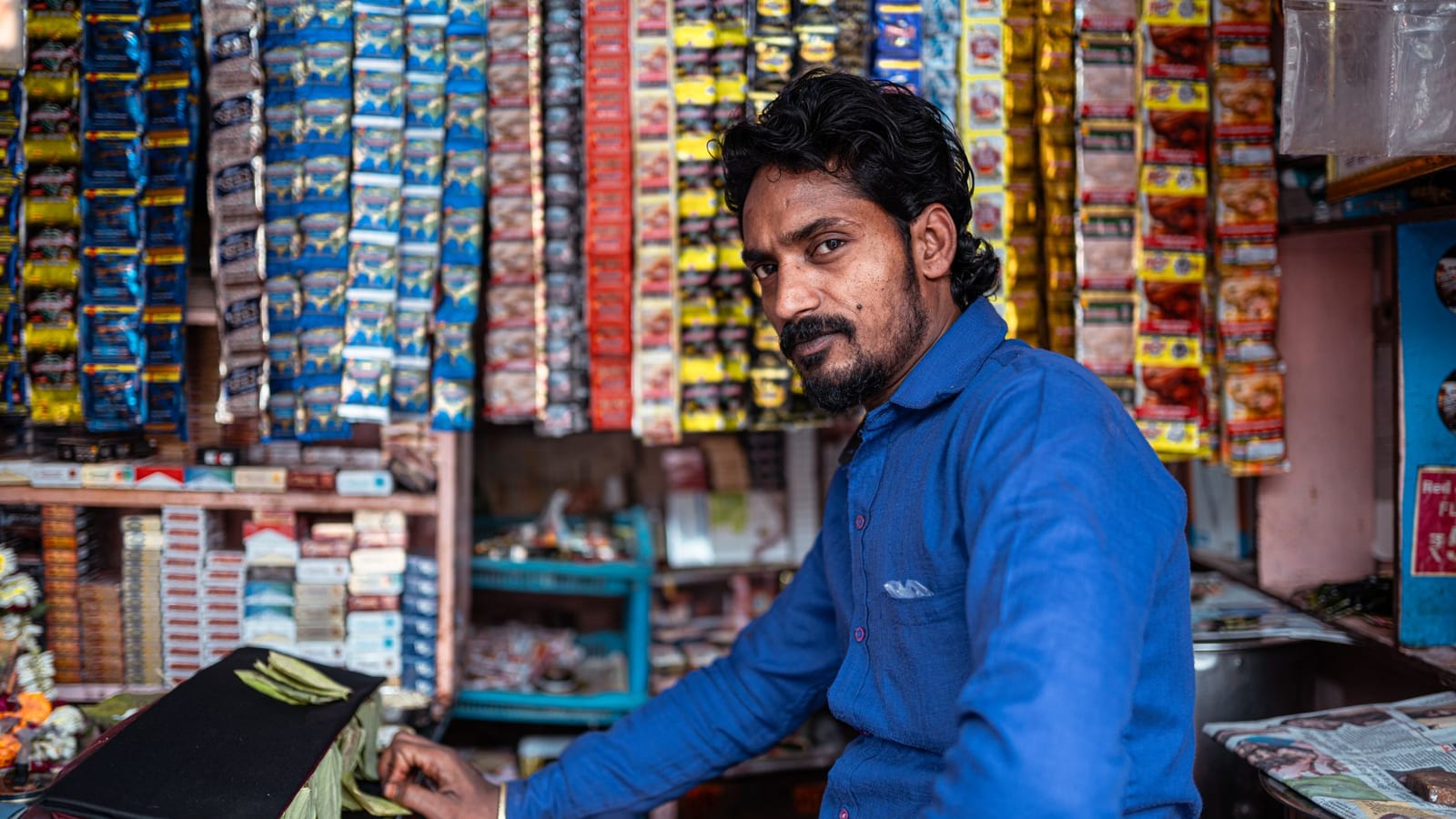
A government raid should not feel like a street fight for survival.
Yet that is what unfolded near Waluj in Chhatrapati Sambhajinagar, when a state food safety team tried to seize banned gutkha before dawn on Tuesday, June 9.
The officers found 25 sacks of prohibited gutkha and pan masala in an Eicher truck. Minutes later, they were facing threats, abuse, and a black Scorpio allegedly driven straight at them.
Raid turns into violent chase
The raid followed strict instructions from Tukaram Mundhe, commissioner of Maharashtra’s Food and Drug Administration.
Acting on a tip-off, the FDA team laid a trap in Rahimpur. They stopped the truck, checked it, and found banned tobacco products inside.
This was not a small paan-shop seizure. The stock ran into 25 sacks. Officials described it as goods worth crores, which shows the scale of the trade.
The team then waited for police protection. That waiting period proved costly. A black Scorpio without a number plate arrived, carrying five to six men.
The men allegedly shouted threats and abused the officers. One of them reportedly called for firing at the team. That is not routine resistance. That is open intimidation of the state.
Woman officer narrowly escapes
The most chilling part involved food safety officer Pragya Surse.
According to the complaint, the attackers targeted her directly. One accused allegedly drove the vehicle towards her and chased her.
Surse escaped by jumping aside at the last moment. That quick reaction may have saved her life.
For any field officer, this is the nightmare. You are sent to enforce a law. You carry files, seals, and procedure. The other side comes with muscle and a vehicle.
In that chaos, the accused allegedly took back control of the seized truck. The gutkha-loaded vehicle was driven away from the spot.
That one detail tells the larger story. The attackers were not merely trying to avoid arrest. They were trying to protect inventory.
In black-market businesses, inventory is money. A truckload of banned gutkha can move fast through small shops, roadside stalls, and hidden distribution chains.
Why banned gutkha still sells
Maharashtra has banned gutkha because of its severe health risks. But the ban has also created a profitable illegal market.
When a product stays in demand after a ban, the trade does not disappear. It goes underground. Prices rise, supply chains get secretive, and enforcement becomes dangerous.
A small shopkeeper may see only a few pouches. Behind that pouch sits a chain of transporters, stockists, financiers, and local muscle.
This is why such raids matter. They do not just remove packets from the market. They interrupt a cash network that thrives on weak checks.
For ordinary consumers, especially young men and daily-wage workers, cheap gutkha remains easy to access. The health cost comes later, often quietly, inside families.
Cancer treatment, lost income, and long hospital trips crush households. The profit stays private. The damage becomes public.
That is the brutal economics of banned tobacco. The state fights the supply. Families carry the medical bill.
Police move after attack
Police registered serious offences at Waluj police station. The charges include attempt to murder, obstruction of government work, and criminal intimidation.
Two accused were taken into custody soon after the incident. Police teams also began searching for the escaped truck and the remaining accused.
The video of the attack has deepened the concern inside the administration. A raid captured on camera is harder to dismiss as a minor scuffle.
For enforcement agencies, this case raises a basic question. Can officers safely conduct seizures without immediate police backup?
The FDA team had already found the banned stock. But they were exposed while waiting for protection. That gap gave the accused time to strike.
This is where process matters. If raids involve high-value contraband, food safety teams need planned security from the start.
Otherwise, the message travels quickly through illegal networks. Stop the officers, threaten them, and recover the goods before police arrive.
That weakens every future raid. It also tells honest officers that personal risk comes with routine duty.
The business behind the menace
Gutkha mafia is not just a law-and-order phrase. It is a business system.
It needs procurement, storage, transport, local distribution, cash collection, and protection. Every sack seized cuts into that system.
That is why the response can turn violent. A truck is not just a vehicle. It is working capital on wheels.
For legitimate businesses, regulation may mean paperwork, licences, and inspections. For illegal traders, regulation means loss of stock and possible jail.
The Rahimpur incident shows how far such networks may go to defend their margins. They allegedly used a numberless vehicle, threats, and force.
This also hurts honest small traders. A kirana or paan shop owner who follows the law loses customers to those selling banned products quietly.
Once illegal goods enter local markets, they create unfair competition. The law-abiding trader looks foolish, while the risk-taker earns more.
That is why enforcement must be consistent. A dramatic raid means little if the supply chain resumes next week.
The real test now is not only arresting the attackers. It is tracing where the stock came from, who financed it, and where it was headed.
A woman officer’s narrow escape has exposed more than one frightening morning near Waluj. It has shown how a banned product can build a business powerful enough to challenge the state in public. For ordinary people, the next question is simple. Will this case end with a few arrests, or will it push Maharashtra to break the supply chain behind the pouch?