Hezbollah fires 135 missiles as Israel hits Lebanon
Hezbollah said it fired 135 missiles towards Haifa, while Israel reported strikes on over 120 targets in Lebanon as regional risks rose.
A siren in Haifa now carries the weight of a wider war.
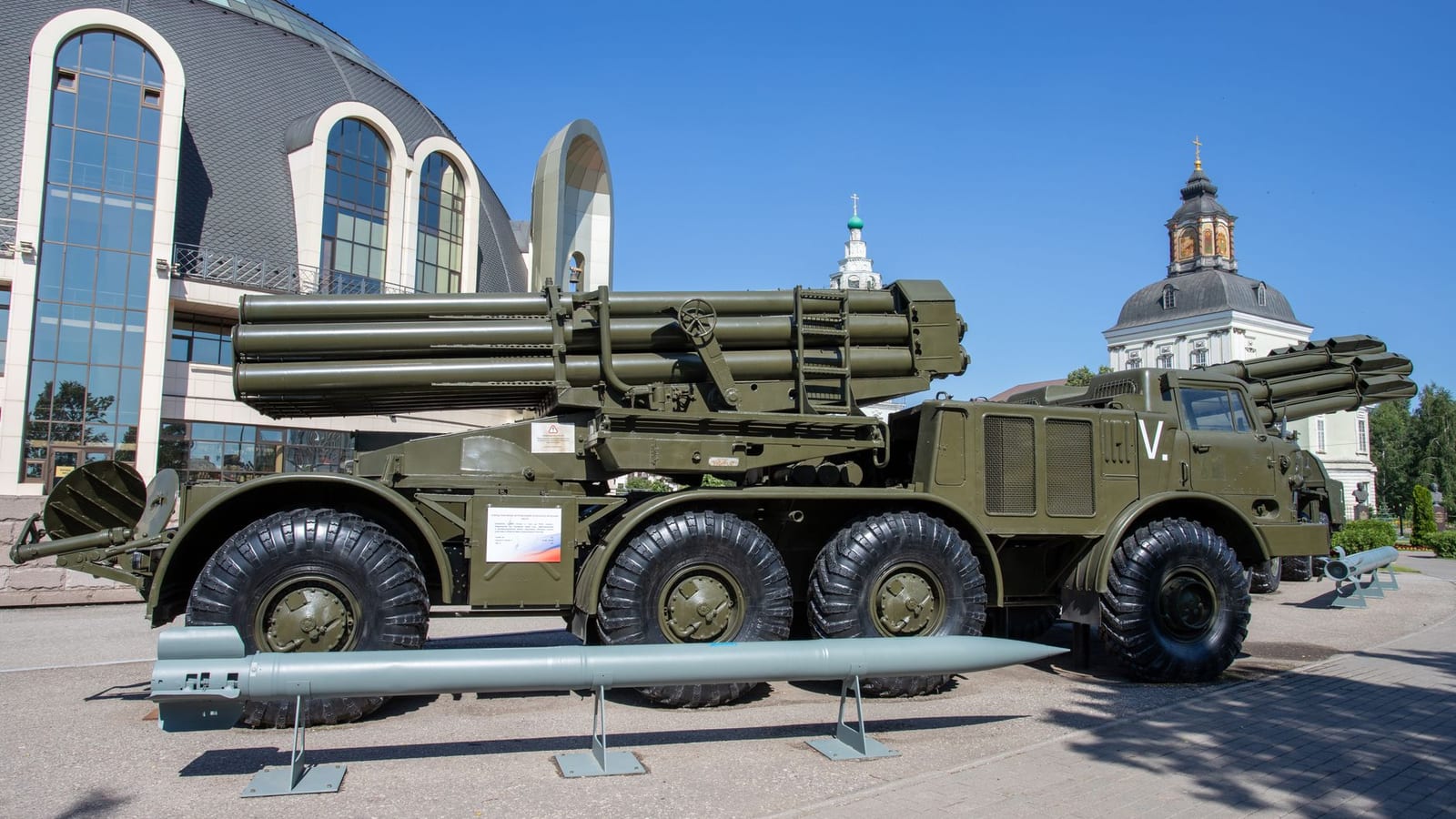
On Monday, Hezbollah said it fired 135 Fadi 1 missiles towards a military base south of the Israeli port city. Israel answered with air strikes in Lebanon, saying its air force hit more than 120 Hezbollah targets in about an hour.
For Indian readers, this is not a faraway map problem. West Asia sits close to our oil bill, our aviation routes, and millions of Indian workers. When this region shakes, fuel prices, freight costs, and family anxieties often follow.
Haifa attack widens the front
Hezbollah said it targeted a military base south of Haifa, Israel’s third-largest city. The group described the strike as part of its fight alongside Hamas, the Palestinian group battling Israel in Gaza.
The Israeli military said rocket fire reached Israeli areas through Monday. Local injury reports put the number hurt at 10 in the Haifa region and two more in the south.
Haifa matters because it is not just another city. It is a port, an industrial hub, and a symbol of how the conflict has moved beyond border towns.
For ordinary Israelis, this means a larger part of daily life now sits under alert. For businesses, it means workers, transport, and logistics can get disrupted without warning.
Israel strikes back in Lebanon
The Israeli military said its air force launched a broad operation in southern Lebanon. It said more than 120 Hezbollah positions were struck within 60 minutes.
That number tells us two things. First, Israel wants to show it can still hit fast and hard. Second, Hezbollah’s infrastructure in Lebanon remains central to this fight.
Lebanese official and military sources said Israeli air strikes killed 11 people and injured 17 others across different areas. Lebanon’s health ministry said one strike hit a residential building in Kayfoun village, in the Aley district of Mount Lebanon.
Six people died there and 13 were injured, the ministry said. Another strike killed five people and injured four others.
This is where war leaves the neat language of “targets” and enters apartment blocks. A military exchange becomes a funeral, a hospital rush, and a family searching for news.
October 7 still drives the war
The timing carried its own charge. Monday marked one year since the October 7 Hamas attack on southern Israel.
Iran’s Supreme Leader Ayatollah Ali Khamenei wrote on social media that the “Al-Aqsa” operation had pushed the Zionist regime back decades. His words showed how Tehran continues to frame the attack as a strategic blow to Israel.
Israel says Hamas killed about 1,200 people during the October 7 attack and took more than 250 hostages. The assault triggered Israel’s war in Gaza, which then pulled in Hezbollah from the north.
That northern front has now become a dangerous second arena. Israel is fighting Hamas in Gaza and Hezbollah across the Lebanon border. Each side says it is acting in defence. Civilians keep paying the bill.
Why India should watch closely
India does not need to be in the war to feel its heat. West Asia feeds India’s energy needs and employs a huge Indian workforce.
Any serious escalation can push crude oil prices up. That eventually reaches the diesel pump, the airline ticket, and the delivery bill for small traders.
Shipping and insurance costs can also rise when conflict spreads. A kirana store owner in a tier-2 city may never track Haifa or Beirut. But higher freight costs can still creep into packaged goods.
Indian families with relatives in Israel, Lebanon, or the Gulf watch these flare-ups with another fear. They are not only reading headlines. They are waiting for phone calls.
The government usually moves carefully in such moments. India has ties with Israel, long-standing relations with Arab nations, and deep economic stakes across the region. That balance gets harder when missiles start flying.
The risk of a larger spiral
The danger now lies in rhythm. Hezbollah fires, Israel responds, Lebanon bleeds, and Iran cheers from a distance. Then the next round begins.
This pattern can harden very quickly. Once both sides start counting deterrence in hundreds of rockets and air strikes, stepping back becomes politically difficult.
Israel wants to weaken Hezbollah’s military network. Hezbollah wants to prove it can still threaten major Israeli cities. Iran wants to keep pressure on Israel without a direct full-scale war.
But wars rarely stay within neat limits. A strike that kills the wrong commander, destroys the wrong building, or crosses a red line can change the scale overnight.
For ordinary people, the question is simpler. Can they sleep without sirens? Can they go to work? Can they keep their children safe?
That is the real test now. Not who claims the stronger strike, or who counts more targets. The coming days will show whether this remains a brutal exchange, or becomes another front in a much larger West Asian war.