Oil Slide Lifts Global Stocks, Eases India Import Worries
US futures rose as crude fell to a two-month low on truce hopes, easing pressure on India's import bill and market sentiment.
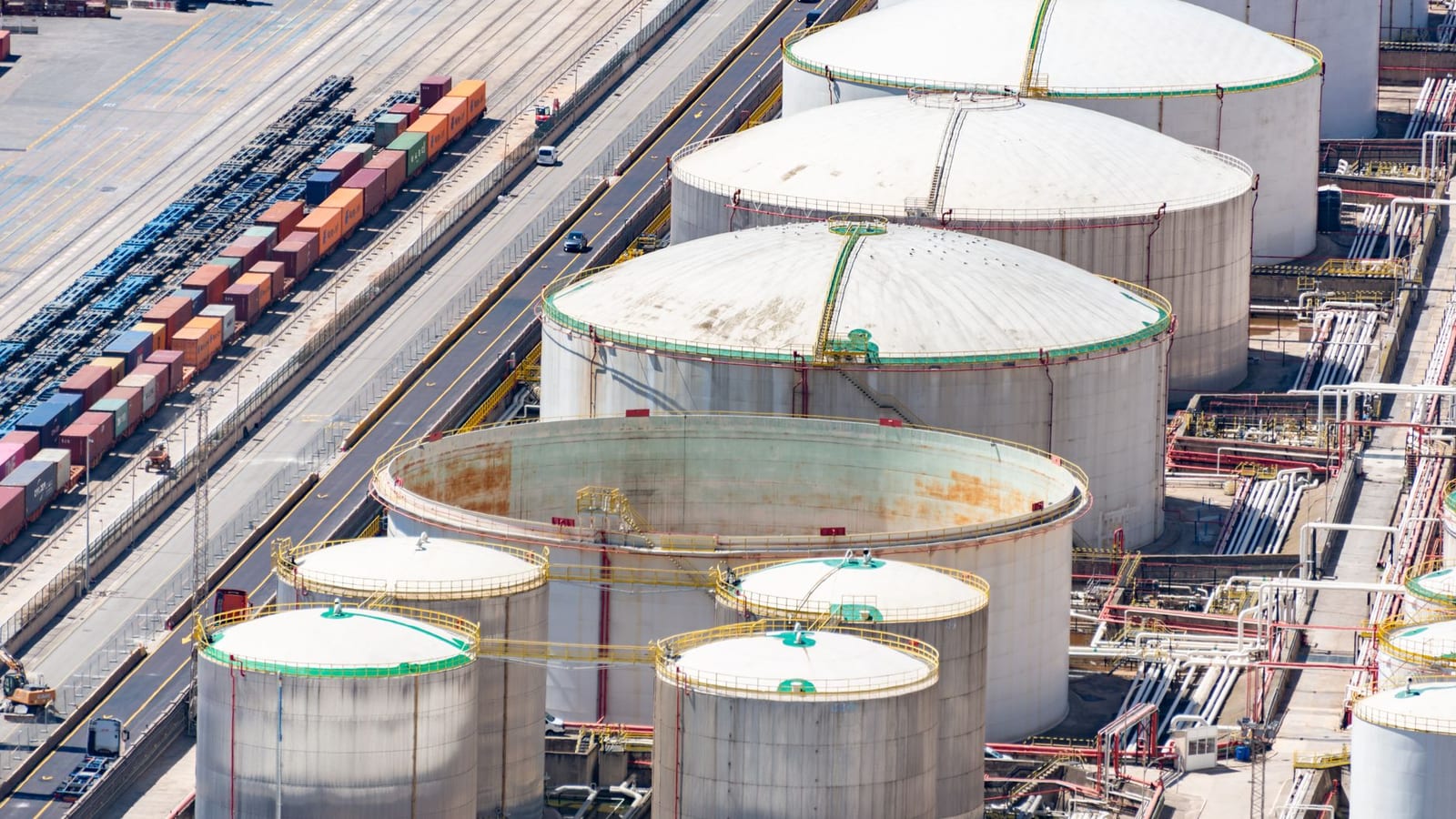
A 3.5 percent fall in crude oil can travel fast, from Wall Street screens to Indian fuel bills.
That is why Friday’s market mood matters for India too. US stock futures climbed as traders bet on a possible US-Iran truce, while oil slipped to a two-month low. For a country that buys most of its crude from abroad, that is not just a foreign market headline.
The S&P 500 futures rose 0.6 percent on 12 June. On a ₹5 lakh global equity portfolio, a move of that size means about ₹3,000 on paper. Nasdaq 100 futures and Dow Jones Industrial Average futures rose 0.7 percent each, helped by chip stocks and relief over oil.
Oil drop eases market nerves
Brent crude fell $3.13, or 3.46 percent, to $87.25 a barrel. US West Texas Intermediate crude slipped $3.14, or 3.58 percent, to $84.57.
Both touched their lowest level since 17 April. That matters because oil had earlier moved close to $120 a barrel during the conflict.
For Indian households, cheaper crude does not mean petrol prices fall the next morning. Taxes, refining costs, the rupee, and company pricing decisions all sit in between. But lower crude reduces pressure on India’s import bill.
It also helps the rupee indirectly. When India pays less for oil in dollars, demand for dollars can ease. That can reduce pressure on the currency, though global capital flows still matter.
Trump claim lifts futures
Donald Trump said he had cancelled planned strikes on Iran after progress in talks. He also suggested a memorandum could be signed soon, possibly in Europe.
Markets like the word “peace”, even when paperwork is unfinished. Traders moved quickly because war risk had pushed up oil and made investors nervous about supply shocks.
But Iran has not confirmed a final deal. Foreign Ministry spokesperson Esmaeil Baghaei said the proposal was still under review by Iran’s decision-making bodies.
That gap is important. A market can price in hope before diplomats sign anything. It can also reverse fast if either side walks back a line.
The possible deal may include a 60-day truce, reopening of the Strait of Hormuz, and talks on Iran’s nuclear programme. Tehran wants sanctions relief and access to frozen assets. Washington wants guarantees on nuclear weapons and shipping.
Strait of Hormuz remains key
The Strait of Hormuz is a narrow waterway with an outsized role in daily life. Roughly one-fifth of global oil and LNG shipments pass through it.
When that route shuts or slows, tankers reroute, insurance costs rise, and oil traders add a fear premium. That premium eventually touches airlines, logistics companies, factories, and consumers.
The source material says flows through the strait remain badly disrupted. Even if a deal comes, normal shipping may take time to return.
This is where markets can get ahead of reality. A signed paper may calm prices, but mines, port restrictions, insurance checks, and naval risk do not vanish overnight.
For India, the stakes are plain. Cheaper oil helps inflation, the current account, and government finances. Costlier oil does the opposite and hits ordinary families through transport and food prices.
SpaceX buzz adds risk appetite
The other excitement on Wall Street came from SpaceX. The rocket company is expected to list on Nasdaq under the ticker SPCX at $135 a share.
That price would value the company at about $1.77 trillion, a breathtaking number even by American tech standards. Investors often treat such listings as a mood check for risk appetite.
Space-linked stocks moved higher before the listing. Rocket Lab rose more than 4 percent. AST SpaceMobile gained 2 percent. Redwire climbed 1 percent. EchoStar, which owns a stake in SpaceX, rose nearly 6 percent.
This matters because markets are not moving on one story alone. Peace hopes pulled down oil. Chip stocks supported tech. SpaceX added glamour to a week that had been tense.
Still, retail investors should separate excitement from price. A famous founder and a hot sector do not remove valuation risk. At $1.77 trillion, investors are already paying for a very large future.
What Indian investors should watch
Indian investors should track three things now: Brent crude, the rupee, and whether the US-Iran memorandum actually gets signed.
If Brent keeps falling, India gets breathing space. Oil marketing companies, airlines, paint makers, tyre firms, and logistics-heavy businesses may benefit from lower input costs.
If the deal fails, oil can jump again. That would hurt sentiment across emerging markets, including India. Foreign investors often cut risk first and ask detailed questions later.
There is also a bond market angle. Lower crude can soften inflation expectations. That makes life easier for central banks, including the Reserve Bank of India, when they think about interest rates.
But nobody should treat one trading session as a trend. The latest move is relief, not certainty. The Middle East has fooled markets many times before.
For now, Wall Street is betting that diplomacy can cool oil and lift stocks. Indian savers should watch that bet closely, because its result may show up in petrol pumps, airline fares, mutual fund statements, and the rupee in the weeks ahead.