SpaceX opens above issue price at $1.96 trillion value
SpaceX opened 11% above its issue price on Nasdaq, giving Elon Musk's space company a market value of about $1.96 trillion.
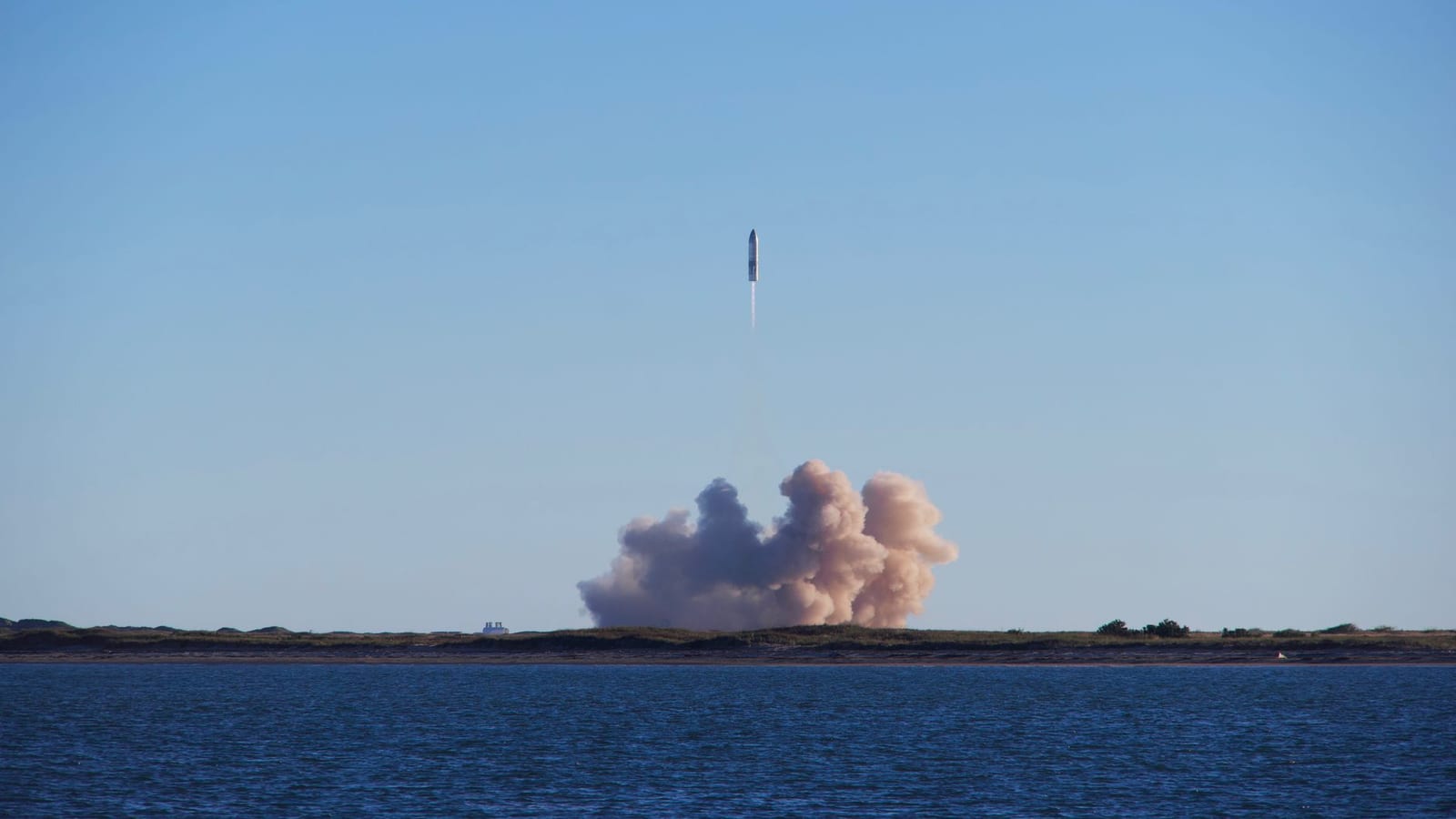
SpaceX did not just list shares on Nasdaq. It put a nearly $2 trillion question before the market.
The stock opened at $150 on Friday, 11 percent above its $135 issue price. That lifted the company’s value to about $1.96 trillion. In Indian terms, even at a rough ₹83 to a dollar, that is over ₹160 lakh crore.
That number is hard to digest. It is larger than the market value of most national stock markets. For an Indian retail investor watching from Mumbai, Bengaluru, or Indore, the message is simple. Global markets still have room for giant stories, even when profits look thin.
Musk premium faces a market test
The listing has become a fresh test of the Elon Musk premium. Investors have seen this movie before with Tesla. They do not price only today’s sales. They price a promise about tomorrow.
That promise now covers rockets, satellite internet, defence contracts, artificial intelligence, and future space services. SpaceX says its possible market opportunity is worth $28.5 trillion. That is an eye-popping claim, even by Wall Street standards.
Musk told investors in Texas that he once gave SpaceX only a 10 percent chance of surviving. That line works because it reminds the market of the company’s unlikely rise. But markets do not pay bills with origin stories.
SpaceX reported revenue of $18.7 billion in 2025. Yet its market value now stands at around 94 times that revenue. That means investors are paying $94 for every $1 of annual sales. For most companies, that would look stretched.
The counterargument is clear. SpaceX is not being treated like a normal industrial company. Investors see it as a platform company, one that could own key roads into space.
Nasdaq debut rewrites IPO math
The IPO raised $75 billion, more than double Saudi Aramco’s 2019 record. That alone makes it a landmark for the Nasdaq and for bankers who have waited years for the IPO market to reopen properly.
The stock’s first-day gain matters because this deal is a signal, not just an event. If SpaceX had slipped below its issue price, bankers would have gone quiet again. Instead, the strong opening gives confidence to other large listings.
The market will now read this debut as a rehearsal for future technology IPOs. Companies such as Anthropic and OpenAI will watch it closely. Their bankers will study how much risk public investors will accept.
For Indian investors, this matters more than it may seem. Many Indian mutual funds and global funds own US technology stocks. A hot American IPO cycle can affect portfolios sitting in ordinary demat accounts here.
There is another channel too. SpaceX may enter the Nasdaq 100 faster under new rules. Once that happens, exchange traded funds and passive funds will need to buy it. That can create steady demand beyond the opening-day excitement.
Starlink gives the story substance
The strongest part of the SpaceX case is Starlink. Rockets are dramatic, but satellite broadband brings regular revenue. That is what markets like when they look past the spectacle.
Starlink sells internet access through low-earth orbit satellites. In plain terms, its satellites fly much closer to Earth than older systems. That can make internet faster and more useful in remote areas.
India understands this problem well. Many villages, border regions, ships, and remote work sites still struggle with patchy connectivity. Satellite internet could help, though pricing and regulation will decide how wide its reach becomes.
SpaceX also says it has launched more than four-fifths of orbital mass over the past three years. That is a blunt way of saying it dominates launch capacity. In a business with huge fixed costs, scale can become a moat.
Yet dominance can attract rivals and regulators. Jeff Bezos’ Blue Origin wants more government contracts and commercial space business. National security agencies will also keep a close eye on who controls orbital infrastructure.
That is why SpaceX is not merely a stock-market story. It sits at the intersection of business, defence, communications, and geopolitics. Few companies get that kind of runway. Fewer still justify it.
Valuation is the hard part
The difficult question is not whether SpaceX is impressive. It clearly is. The hard question is whether any company should trade near $2 trillion while losing nearly $5 billion last year.
Morningstar analysts have reportedly placed fair value closer to $780 billion. That is less than half the market’s current enthusiasm. The gap shows how far belief has run ahead of conventional math.
Investors often accept this gap when they see a company changing behaviour at scale. Amazon did this with shopping and cloud computing. Tesla did it with electric vehicles and investor imagination.
But these comparisons can flatter too much. Amazon built profit machines over time. Tesla’s valuation has also swung sharply when confidence weakened. SpaceX will face the same discipline eventually.
Retail investors should watch three things now. First, can Starlink keep adding paying customers? Second, can SpaceX turn launch dominance into reliable profit? Third, can the company avoid political and regulatory shocks?
Musk’s political profile adds another wrinkle. His role in the Trump administration has already raised questions around his businesses. Markets may tolerate controversy during a rally. They become less forgiving when growth slows.
The first day tells us investors still want big dreams, especially when Musk sells them. But the real test starts after the opening bell fades. A ₹5 lakh global tech portfolio may rise with the excitement, but it can also swing hard on valuation worries.
For ordinary Indian investors, the lesson is not to ignore SpaceX. It is also not to blindly chase it. The smarter move is to separate the company’s extraordinary ambition from the price being asked today. SpaceX may shape the future of space, internet, and defence. The stock, though, must still prove that the future can pay for itself.