Wall Street futures rally after Trump cancels Iran strikes
Crude oil slipped while US stock futures climbed after Trump cancelled Iran strikes, easing fears over energy supplies and imported inflation.
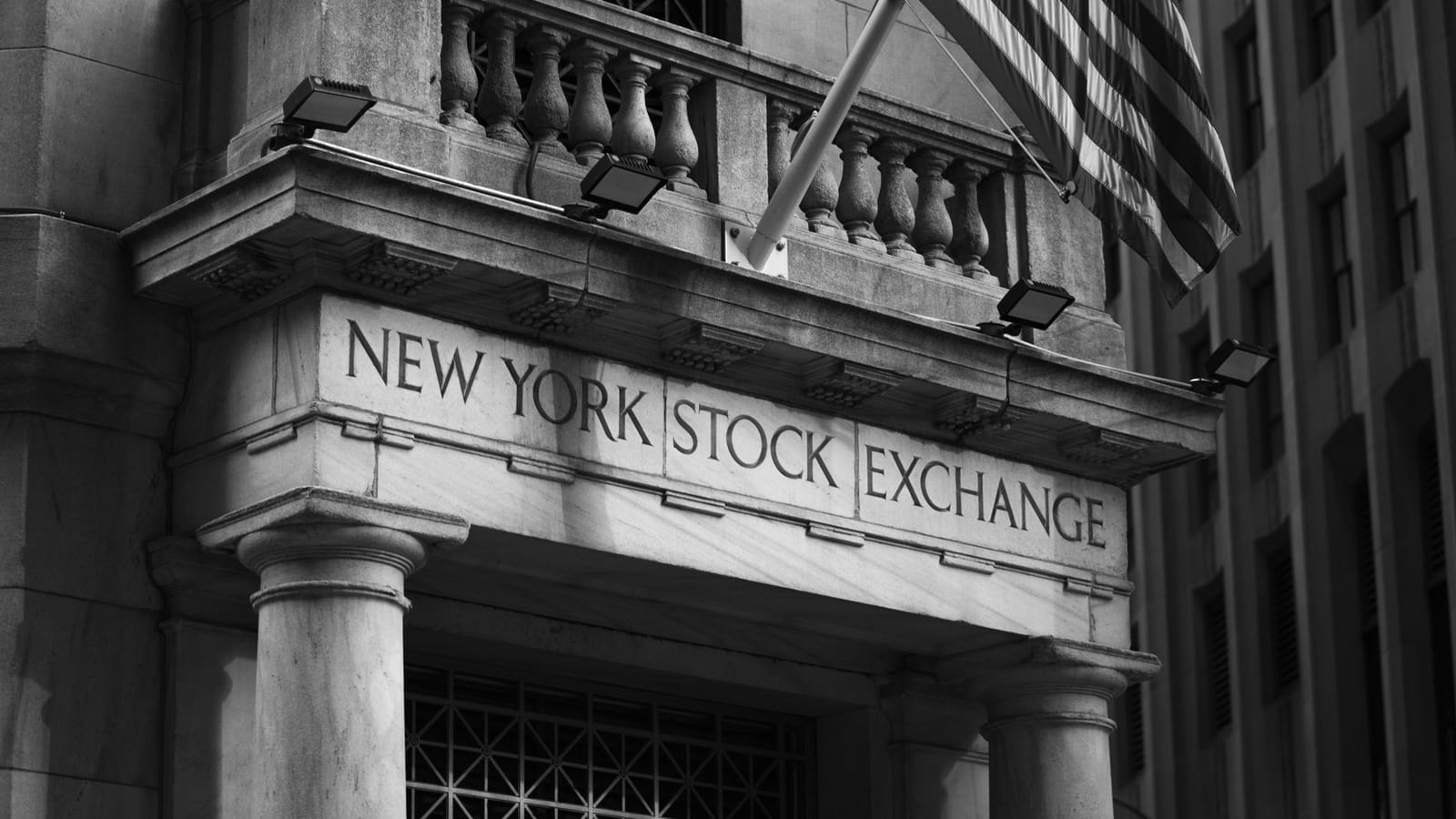
Oil traders can smell diplomacy before diplomats sign anything.
That is why crude slipped hard on 12 June, while Wall Street futures climbed. One hint of a possible US-Iran understanding was enough to cool oil prices and lift risk appetite.
For Indian households, this is not some distant Gulf drama. Cheaper crude can soften petrol, diesel, airline fares, logistics costs, and eventually inflation. A blocked sea route, by contrast, quietly raises bills from the kitchen to the stock portfolio.
Wall Street cheers peace hopes
The S&P 500 futures rose 0.6 percent on Friday, extending gains for a second session. Nasdaq 100 and Dow Jones Industrial Average futures also moved up 0.7 percent each.
The previous session had already given traders a strong bounce. Major US indices gained as much as 2.5 percent, helped by a sharp recovery in chip stocks.
The immediate trigger was Donald Trump saying he had cancelled planned military strikes on Iran. He said negotiations had moved forward enough to avoid escalation.
That mattered because markets had feared the opposite only hours earlier. Trump had earlier warned of possible strikes on Iran’s oil infrastructure.
For investors, this was a classic relief trade. When the chance of war falls, oil cools, shares rise, and traders rush back into risk.
Hormuz remains the real prize
The Strait of Hormuz sits at the centre of this story. Nearly one-fifth of global oil and LNG shipments pass through this narrow route.
Since the conflict worsened, flows through the waterway have faced severe disruption. That squeezed supplies and pushed Brent crude close to $120 a barrel at one stage.
Now traders are betting that a memorandum between Washington and Tehran could reopen the route. A Western source said it could be signed as early as Sunday, with Geneva seen as a likely venue.
But this is still a negotiation, not a finished deal. Iranian officials have said progress has happened, while also warning that final approval remains pending.
The reported draft covers sanctions, frozen funds, shipping, and nuclear discussions. Iran wants access to blocked money, while Washington wants relief tied to compliance.
That detail matters. A deal announced on paper does not instantly move tankers, insurance contracts, ports, and naval positions.
Crude falls, India watches closely
Brent crude fell $3.13, or 3.46 percent, to $87.25 a barrel. US West Texas Intermediate dropped $3.14, or 3.58 percent, to $84.57.
Both benchmarks touched their lowest levels since 17 April. That is still not cheap oil, but it is far better than panic pricing.
For India, every dollar fall in crude matters. The country imports most of its oil, so global prices feed directly into its trade bill.
If crude stays lower, it gives policymakers more breathing room. It can ease pressure on the rupee and reduce the imported inflation headache.
The household link is simple. Diesel moves goods, trucks move groceries, and fuel costs sit inside almost every final price.
A kirana store owner may not track Brent futures daily. But the store feels the effect when transport costs rise for weeks.
The same goes for airlines, paint companies, tyre makers, and logistics firms. Lower oil helps their margins, unless weak demand eats the benefit.
For retail investors in India, this also shapes sector bets. Oil marketing companies, aviation, chemicals, and autos often react quickly to crude swings.
Israel and Iran complicate the deal
There is one large political complication. Benjamin Netanyahu’s office said Israel is not a party to the emerging agreement.
That line deserves attention. Israel may not sign the document, but its security concerns will influence the road ahead.
Netanyahu’s office said the final arrangement should remove enriched material, dismantle enrichment infrastructure, limit missile production, and curb Iran’s regional support networks.
Iran has pushed back on parts of the public narrative. Its foreign ministry said most of the text was nearly final, but accused the US of adding new demands.
Iran’s Mehr News Agency said the final round would focus on nuclear and economic issues. It said Iran’s missile programme would stay outside the talks.
That is where the market’s optimism may be running ahead of diplomacy. Oil traders price hope quickly, but peace agreements move slowly.
We have seen this before in West Asia. Every draft has layers, and every phrase carries domestic political cost.
Trump has said several times since the 7 April ceasefire that a deal was close. None of those predictions has yet become a settled agreement.
SpaceX adds market excitement
While geopolitics drove the larger mood, Wall Street also watched the expected SpaceX listing. The company is expected to debut on Nasdaq under the ticker SPCX.
The fixed price is set at $135 a share. That implies a valuation of about $1.77 trillion, an astonishing number even by tech-market standards.
Space-linked stocks rose before the listing. Rocket Lab gained over 4 percent, AST SpaceMobile added 2 percent, and Redwire climbed 1 percent.
EchoStar, which owns a stake in SpaceX, rose nearly 6 percent. AMC Entertainment also edged higher after completing a $150 million equity offering.
This tells us something about market psychology. When war fears ease, investors quickly look for growth stories again.
Yet Indian investors should treat the excitement carefully. A famous founder and a huge valuation do not remove valuation risk.
For anyone investing through overseas funds, the question is basic. Are you buying future cash flows, or simply chasing a headline?
That distinction matters when rates remain high and global markets still depend on central bank signals.
The next few days will show whether this is a real cooling of risk, or just another short-lived market bounce. If Hormuz opens and crude keeps falling, Indian households may feel relief slowly through prices. If talks fail again, the oil market will remind everyone that distance from West Asia is only geographical.