Treadmill's Prison Past Reframes Modern Fitness Use
The treadmill's path from 19th-century prison punishment to home gyms raises questions about how people use it and when it stops helping fitness.
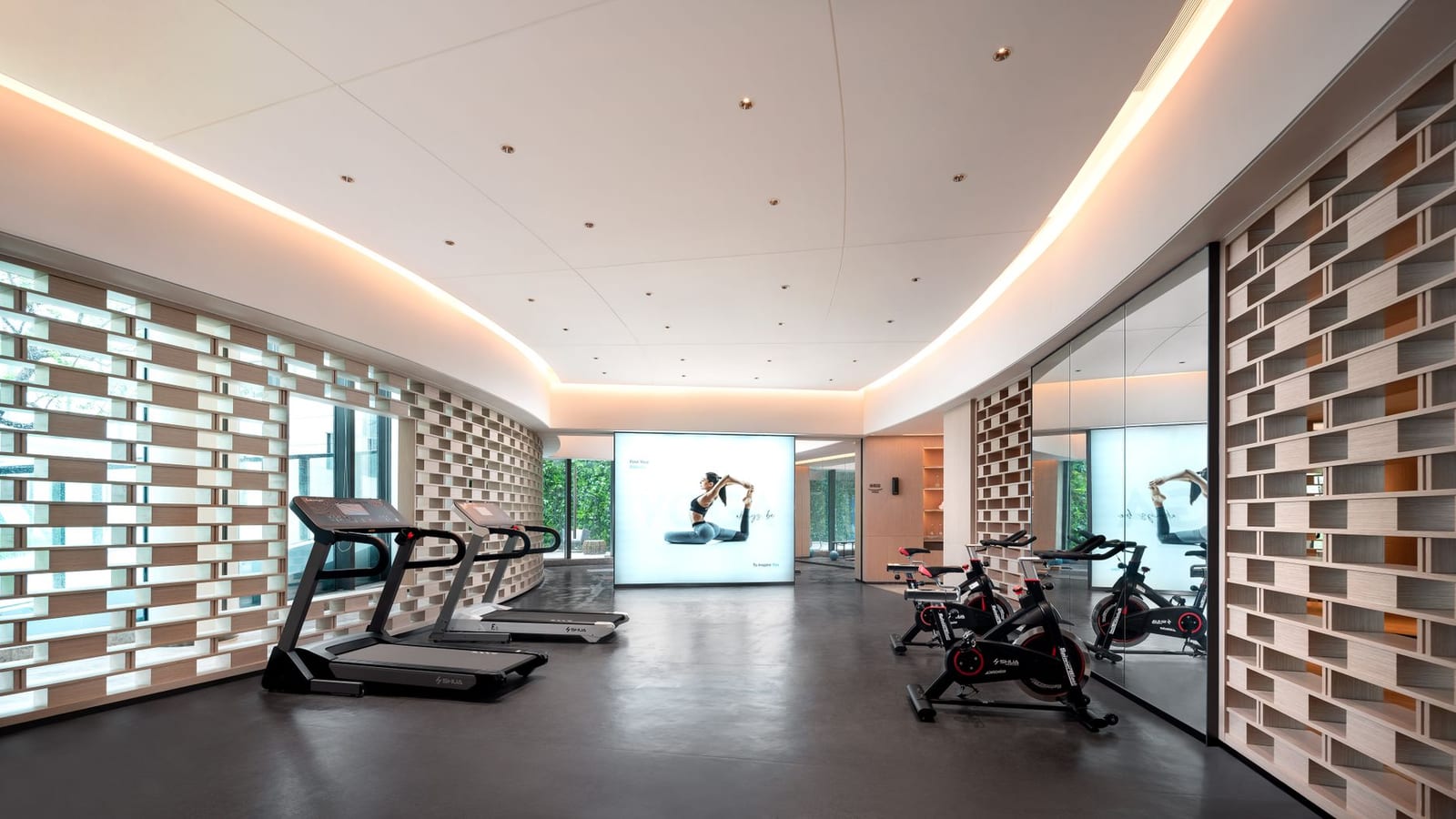
That machine humming in the corner of your gym began life as punishment.
Before it became a symbol of discipline and calorie burn, it meant hard labour. For prisoners in 19th century Britain, the moving steps were not wellness. They were a sentence, routine, and exhaustion.
That odd history is doing the rounds again, and it should make us pause. The treadmill has travelled from prison yards to premium apartments, budget gyms, hotels, clinics, and bedrooms. In India, it now stands beside dumbbells, yoga mats, and protein jars.
But the question is not whether this machine is good or bad. That would be too easy. The smarter question is why we use it, how we use it, and when it quietly stops helping.
From prison yard to apartment gym
The treadmill was not born as a lifestyle product. Older treadwheels existed for work, like lifting water or grinding grain. But the prison version gave the machine its darker public image.
Sir William Cubitt, an English engineer, introduced a prison treadwheel around 1818. The idea was brutally simple. Make prisoners climb a rotating set of steps for hours, often to produce useful work.
In practice, the machine became a form of punishment. Prisoners walked without going anywhere. Their labour could grind grain or pump water, but the deeper point was control.
That is why the history feels uncomfortable today. Modern users choose the treadmill. Prisoners did not. Choice changes the meaning of the same movement.
By the early 20th century, Britain had moved away from the penal treadwheel. The machine then took another route, through medicine, sports training, and finally home fitness.
The modern medical turn came in 1952. Robert Bruce and Wayne Quinton at the University of Washington used treadmill testing to assess heart and lung function.
Why the moving belt works
The World Health Organization says regular physical activity helps reduce the risk of heart disease, diabetes, some cancers, anxiety, and depression. That does not make the treadmill special. It makes movement special.
A treadmill helps because it offers controlled, repeatable movement. You can set speed, incline, time, and distance. For many people, that removes guesswork.
Here is the body science in plain English. When you walk briskly or run, your heart pumps faster. Your muscles ask for more oxygen. Your lungs and blood vessels work harder to deliver it.
Over time, regular aerobic activity can improve stamina. It can also help the body handle blood sugar better. Muscles use glucose as fuel, which matters for India’s diabetes burden.
The CDC advises adults to aim for 150 minutes of moderate activity a week. That means 30 minutes, five days a week. It also recommends strength work on two days.
That last part matters. A treadmill can help your heart and lungs. It cannot replace muscle training, balance work, sleep, food quality, or medical care.
The Indian fitness trap
For many urban Indians, the treadmill solves a real problem. Outdoor walking can mean broken pavements, traffic, stray wiring, pollution, poor lighting, or unsafe streets after dark.
During monsoon months, it becomes even harder. A housing society gym can feel safer than a flooded footpath. For older adults, that safety matters.
The machine also helps people who have no large park nearby. A young professional with late work calls may still manage 20 minutes indoors. A parent may walk after dinner while keeping an eye on home.
But the treadmill also feeds one bad habit. Many people treat fitness like a punishment to erase food. They walk grimly after a heavy meal, chasing a number on a screen.
That approach rarely lasts. Exercise works better when it becomes routine, not guilt repayment. The body does not respond well to shame as a training plan.
Gyms also market treadmill numbers too aggressively. Calories burned on a display are estimates. They vary by weight, speed, fitness level, handrail use, and machine accuracy.
So if the screen says 300 calories, do not build dinner mathematics around it. Use it as a rough signal, not a bank statement.
How to use it wisely
The safest treadmill workout starts slower than your ego wants. Begin with an easy walk. Let joints, balance, and breathing settle before raising speed or incline.
Incline changes the workout sharply. A slope makes the calves, thighs, and heart work harder. It can also strain the Achilles tendon if you rush.
Speed changes impact. Running places more load through the knees, hips, ankles, and lower back. That does not make running dangerous. It means your body needs time to adapt.
People with chest pain, fainting spells, recent surgery, severe joint pain, or known heart disease need medical guidance. The same applies to older adults returning after years of inactivity.
Handrails deserve a word too. Holding them tightly changes posture and reduces effort. Use them for balance when needed, but avoid hanging on throughout.
Footwear matters more indoors than people think. A worn-out shoe can change how your foot lands. That small change can travel upward to the knee and back.
And please use the safety clip. It looks boring until someone slips. A moving belt can turn a small loss of balance into a nasty fall.
The machine is not the goal
The treadmill’s prison past should not make us reject it. It should remind us that movement without meaning can feel miserable, even when it is voluntary.
Good fitness is not about suffering in public view. It is about building a body that lets you live with fewer limits. That could mean better sugar control, easier stairs, deeper sleep, or less breathlessness.
A treadmill can play a useful role in that plan. It gives privacy, structure, and a weather-proof option. For many families, that is enough reason to use it.
But the best workout is still the one you repeat. Some people will choose a treadmill. Others will choose walking outdoors, cycling, swimming, dancing, or sport.
The old treadwheel trapped people in motion without freedom. The modern treadmill should do the opposite. It should give ordinary people one more practical way to move, on days when life leaves little room for anything else.
This article is for informational purposes only and does not substitute medical advice. Consult a qualified physician for any health concern.
This article is for informational purposes only and does not substitute medical advice. Consult a qualified physician for any health concern.