WHO Urges More Movement Amid Desk Job Back Pain
Chair yoga offers desk workers a practical way to ease back pain, loosen stiff hips and necks, and break up long hours of sitting.
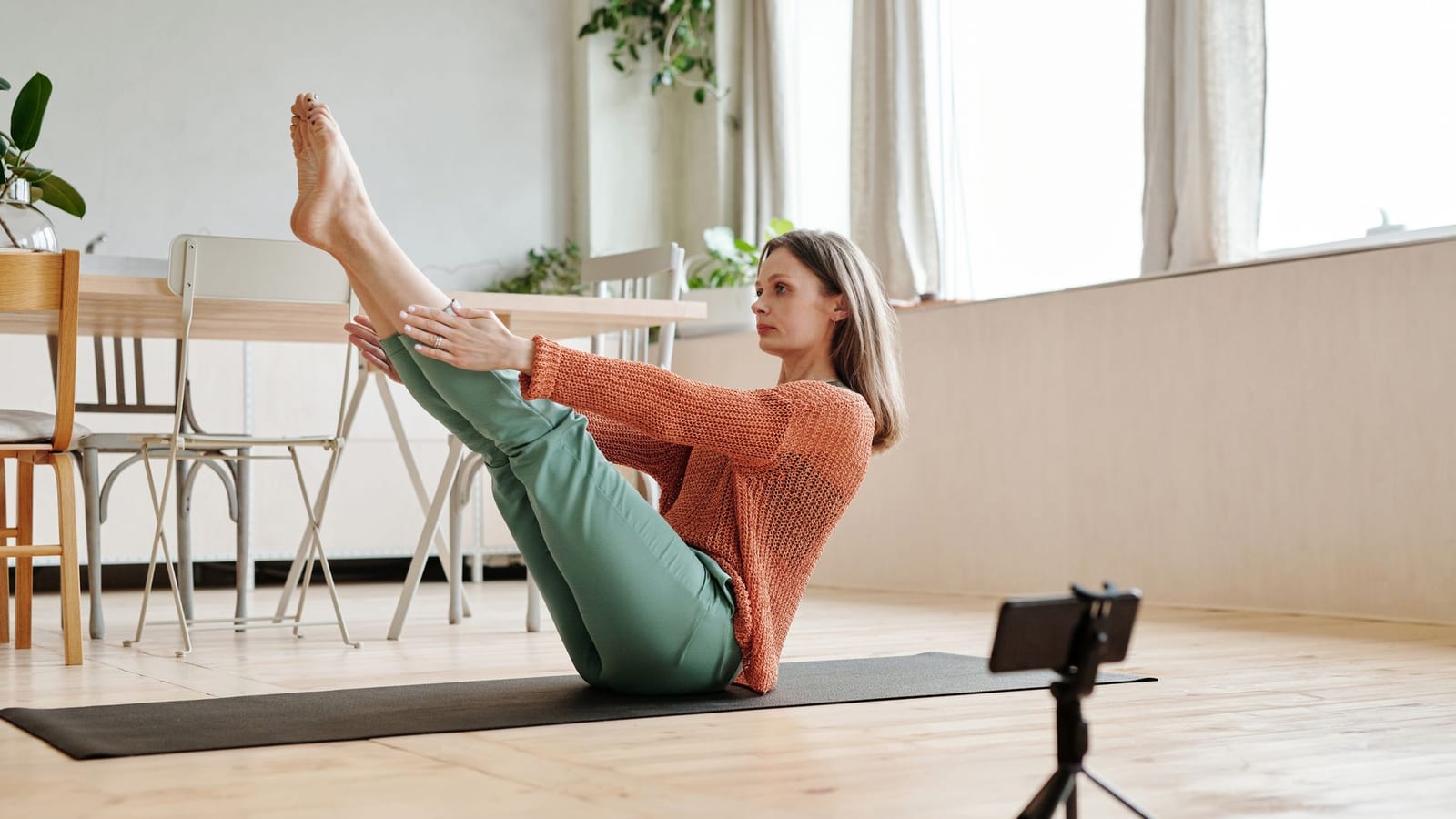
By late afternoon, many office chairs start feeling less like furniture and more like a trap.
Across India, desk work has turned into a posture problem. People sit through calls, spreadsheets, chats, edits, invoices, and reviews. Then the neck tightens, the lower back complains, and the shoulders rise like they have their own deadline.
That is where chair yoga for back pain makes practical sense. It is not a miracle cure. It is a small reset for bodies that were never built to sit frozen for hours.
Why office backs hurt
Long sitting locks the hips in one position. The back muscles then work quietly, often without a break. Add a low laptop screen, and the neck starts bending forward too.
The spine can handle pressure. It does that all day. Trouble starts when one posture keeps repeating. Muscles tighten, joints stiffen, and nerves may get irritated.
The World Health Organization says in its physical activity guidance that 31% of adults worldwide do not get enough activity. It also advises adults to limit sitting time and move more through the day.
For office workers, that advice does not always mean a gym membership. Sometimes it means two minutes away from the screen. Sometimes it means stretching while still seated.
Four moves from the chair
The chair cat-cow stretch is a good starting point. Sit tall, keep both hands on the knees, and move the chest forward while breathing in. Then round the back gently while breathing out.
This movement wakes up the spine without asking much from the body. It may help the upper back and neck feel less stiff after long screen time.
The seated spinal twist works the waist and lower back. Sit straight, place one hand on the opposite knee, and turn the upper body slowly. Hold for a few seconds, then change sides.
Do not force the twist. The point is not to look like a yoga poster. The point is to remind the spine that it can rotate.
Chair pigeon pose targets the hips. Place one ankle over the opposite knee, keep the back straight, and lean forward slightly. Hold the position only if it feels comfortable.
This can ease tightness around the hips and thighs. But if pain shoots down the leg, stop. Sciatica can involve nerve irritation, and aggressive stretching can worsen it.
Seated eagle arms focus on the shoulders. Bring both arms forward, cross them, and lift the elbows gently. Keep the shoulders away from the ears.
This move may help people who carry stress in the neck and upper back. That group includes almost every desk worker by Friday evening.
When stretching is not enough
Most simple back pain improves with time, movement, and sensible care. Mayo Clinic says in its back pain guidance that people should seek medical advice if pain lasts weeks, spreads below the knee, or causes numbness.
The NHS also says on its back pain page that people should stay active where possible. It warns against staying in bed for long periods.
There are clear red flags. Get urgent help if back pain follows a serious injury. Also act fast if both legs feel weak or numb.
Bladder or bowel changes with back pain need immediate medical attention. So does fever with severe back pain. These signs are not for home remedies.
This is the key distinction. Chair yoga for back pain may help tight muscles. It cannot diagnose a slipped disc, infection, fracture, or nerve compression.
Small breaks beat heroic workouts
The best office habit is boring, which is why it works. Stand up every one to two hours. Walk for two minutes, even inside the office.
Keep the computer screen at eye level. If the screen sits too low, the neck keeps dropping forward. Over time, that small bend becomes a daily load.
Breathing matters too. Slow breathing during these movements keeps the body relaxed. It also stops people from rushing through stretches like another task.
For young professionals, the issue is not laziness. Work has become screen-heavy, commute-heavy, and meeting-heavy. Bodies pay the bill quietly, one stiff morning at a time.
Chair yoga for back pain is useful because it fits real life. No mat, no special clothes, no dramatic routine. Just a chair, a few minutes, and some attention.
The larger lesson is simple. The back does not need occasional heroics as much as daily respect. If Indian offices want healthier workers, movement must become normal at work, not an after-hours guilt trip.
This article is for informational purposes only and does not substitute medical advice. Consult a qualified physician for any health concern.
This article is for informational purposes only and does not substitute medical advice. Consult a qualified physician for any health concern.