Germany weighs growth reforms as India exporters watch
Berlin's 30-point growth plan on taxes, welfare and labour rules could shape demand for Indian exporters, IT firms and engineering suppliers.
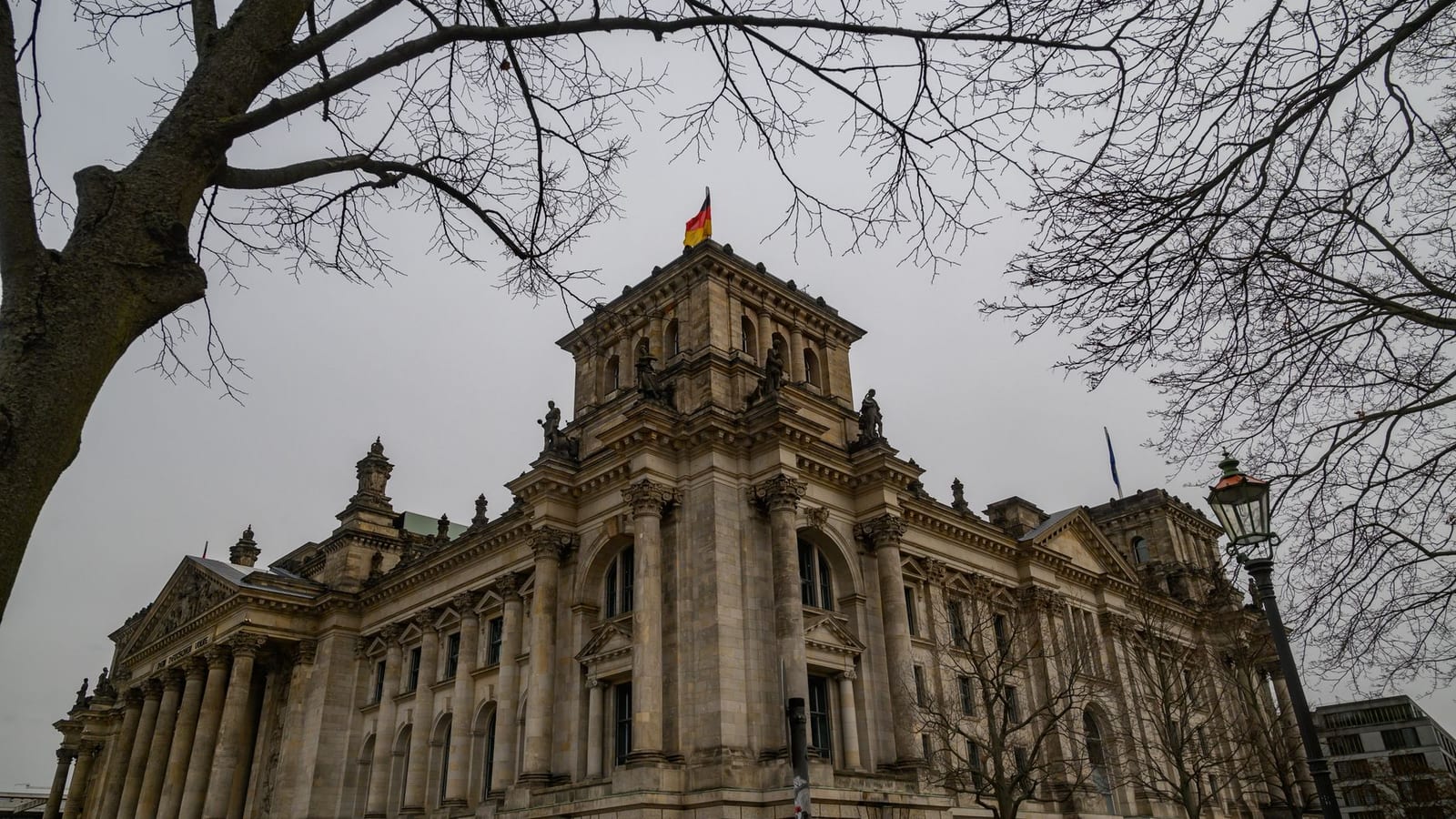
A government in Berlin is trying to save its economy, and perhaps itself, before everyone leaves for summer.
That may sound like routine European politics. It is not. Germany, long treated as Europe’s factory floor and fiscal adult, is arguing over taxes, working hours, job protection, welfare cuts, and the cost of the European Union.
For India, this is not distant noise. Germany buys, invests, hires, builds, and trains across global supply chains. When Berlin coughs, exporters in Pune, IT teams in Bengaluru, and engineering firms in Chennai should at least look up.
Berlin races against the clock
The coalition committee is due to meet at the Chancellery with a 30-point growth plan on the table. The draft runs to nine pages and covers labour market, tax, and social reforms.
Two big questions still hang over the deal. What will the tax reform actually look like? And how far will the government go in changing labour rules?
That second question matters because German politics rarely moves fast on worker protections. The country built its post-war prosperity on a careful bargain. Companies got skilled labour and stability. Workers got security and a strong safety net.
Now that bargain is under stress. Growth has been weak. Energy costs remain a sore point. China is a tougher rival. The US keeps pulling investment with subsidies and cheaper energy.
The tax and labour fight
The government wants a package that can show results quickly. Tax relief is one route. Easier hiring and firing rules may be another. Longer or more flexible working hours are also part of the debate.
For a factory owner, these changes may sound overdue. For a worker, they can sound like losing protection just when prices remain high.
That is the central tension in Europe today. Governments want growth, but voters want security. The old answer was that richer economies could afford both. Germany is now asking whether that answer still works.
Indian businesses should watch this closely. If German firms get relief, they may invest more. If worker protections weaken too sharply, public anger could slow reforms. Either way, decisions in Berlin will shape demand across Europe.
Welfare reform adds pressure
The debate also includes changes to Bürgergeld, Germany’s basic income support for people without enough work or earnings. The new system will put more pressure on recipients to earn their own income.
Sanctions are expected to become stricter. People may also have to use more of their own assets before state support kicks in.
In simple terms, Berlin is telling unemployed people, take work sooner and depend less on the state. Supporters call it necessary discipline. Critics see hardship being pushed onto those with the least room to absorb it.
This is where the Indian audience should resist easy stereotypes. Europe is not simply “rich and comfortable”. It is fighting the same question many countries face. How much welfare can a slowing economy carry?
EU budget cuts enter the debate
Germany is also asking the European Union to cut its future budget plan. The demand reportedly seeks savings worth hundreds of billions of euros.
That is a serious message from Europe’s biggest economy. Berlin usually pays a large share of the EU bill. When it calls a budget unaffordable, Brussels has to listen.
The timing matters. Europe wants to spend more on defence, clean industry, technology, agriculture, and regional support. But national governments face voters who dislike higher taxes and expensive promises.
India should read this as part of a larger shift. The West is no longer spending from a position of easy confidence. Even rich blocs now argue over every bill.
Why India should care
Germany remains one of India’s most important European partners. It is central to manufacturing, green technology, machine tools, automobiles, chemicals, and higher education.
If Germany revives growth, Indian exporters gain a stronger European market. Indian IT firms may find more digital transformation work. Skilled Indian workers may see continued demand in engineering and healthcare.
But if Germany cuts welfare and squeezes budgets too hard, domestic politics may become sharper. That can hit migration policy, trade talks, and investment sentiment.
There is also a geopolitical point here. Europe wants strategic independence, especially in technology and supply chains. But independence costs money. Germany’s budget arguments show how hard that bill has become.
For ordinary Indians, the lesson is simple. Globalisation no longer moves in one smooth direction. A welfare reform in Berlin, a tax fight in Brussels, or a labour law change in Germany can ripple into jobs, exports, visas, and investments here.
Germany’s argument is really the argument of many ageing rich economies. They want growth without losing social peace. They want competitiveness without sounding harsh. They want to spend more on the future while cutting today’s bill.
That balance will not be settled in one afternoon at the Chancellery. But the direction matters. If Germany finds a workable middle path, Europe gets breathing room. If it stumbles, the pain will travel far beyond Berlin.