Iran families seek answers after Minab school attack
Four months after missiles hit a Minab school compound, families still lack a final death toll and clear answers on responsibility and warnings.
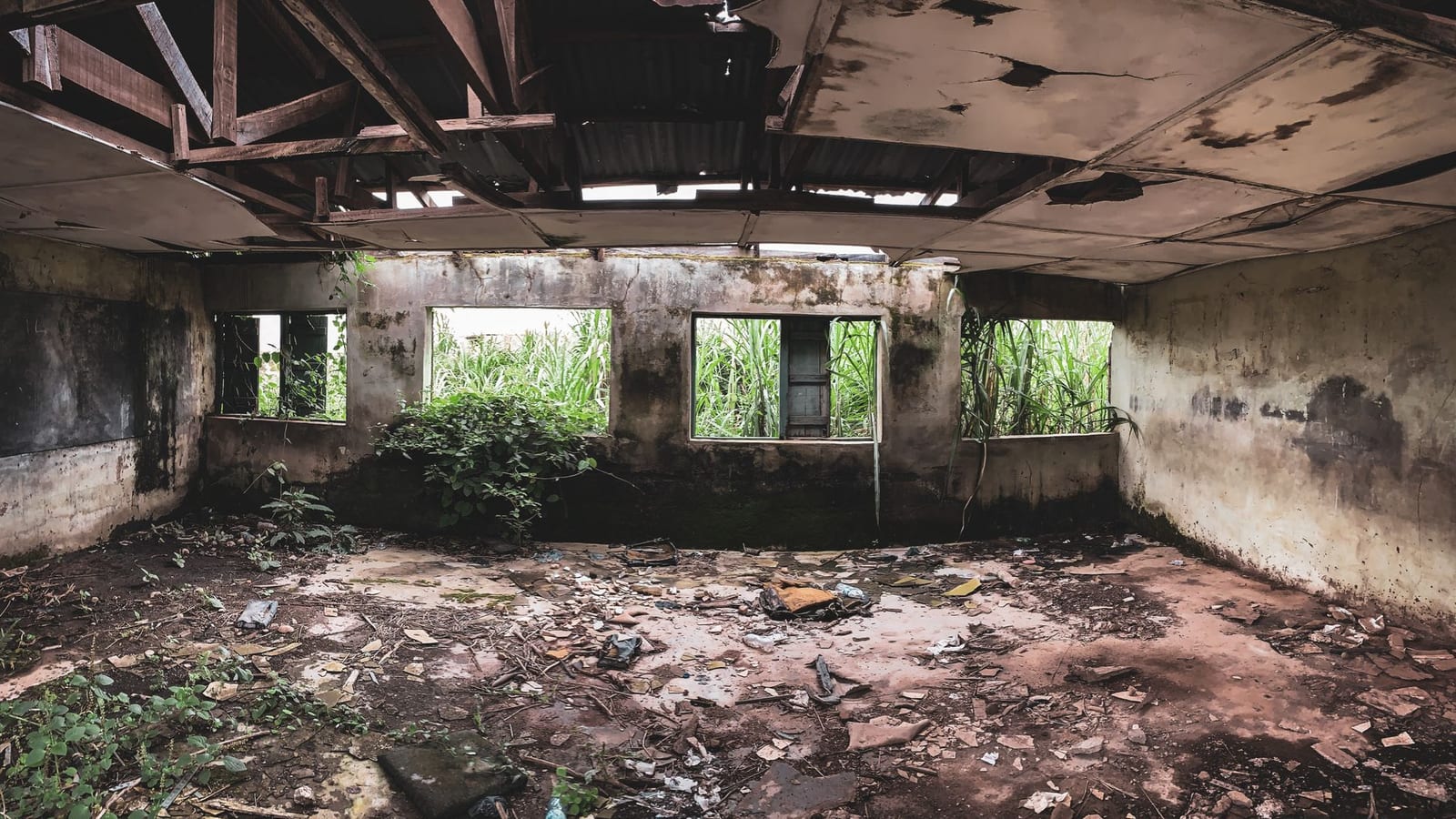
A school morning ended in rubble in Minab, and four months later, even the dead have no final count.
Children had arrived for class on February 28. Staff began calling parents early as bombs fell elsewhere in Iran. One father rushed to collect his son. Minutes later, missiles hit the compound. Men dug through smoke and broken concrete, looking for children.
That is the part families remember. The part governments still argue over is responsibility, numbers, and whether anyone saw the warning signs before the strike.
Minab’s school became a battlefield
The strike hit the Shajareh Tayyebeh school in Minab, a city in southern Iran. The school sat inside a larger compound linked to the Revolutionary Guard, according to satellite review and people familiar with the site.
That detail now sits at the heart of the dispute. Military planners may have seen a Guard-linked compound. Families saw a school day.
The school had earlier been a Guard building, before being fenced off and converted over a decade ago. It served children from families tied to state institutions, including the Guard.
But it also had local children from the surrounding Baluch community. The Baluch are a mostly Sunni ethnic minority, and they often face pressure from the Iranian state.
That makes the tragedy even more layered. Some children came from families close to power. Others came from a community with little power at all.
Either way, they were children in classrooms. That is the line war is supposed to recognise.
A toll still without closure
The numbers remain painfully unclear. Local doctors estimated at least 108 bodies by the end of the day, based on accounts from the city. Iranian state media later put the toll at 168.
A conflict-monitoring group, Airwars, has identified 157 people killed. It says 123 were children and 34 were adults.
Among the adults were school staff and parents. Five parents who died had also lost at least one child in the strike.
The absence of a final public list matters. In wars, numbers often become political weapons. But for families, a list is not paperwork. It is proof that a child existed, studied, laughed, and never returned.
The chaos after the blast made verification hard. Foreign journalists could not freely enter Iran. Internet access had been cut. Military activity had spread across the region.
The Strait of Hormuz had also turned into a major conflict zone. That narrow waterway matters deeply to India and the world, because much of the region’s oil trade passes through it.
For ordinary Indians, such conflicts can feel distant until fuel, freight, air routes, and safety advisories begin changing. But for Minab’s families, the war arrived at the school gate.
Washington faces hard questions
The United States has not directly accepted blame. A US official familiar with the matter said the military had evidence soon after the blast that its strikes had hit the area.
The same official said it took time to verify claims that a school had been struck. Defence Secretary Pete Hegseth has said the Pentagon is investigating.
President Donald Trump said last week that he had seen nothing proving US responsibility. Iran has blamed the US for the strike.
That public gap is striking. One side points outward. The other denies seeing enough proof. Families wait in the middle.
The most worrying detail is about intelligence. A US official said one analyst may have marked the building as a school seven years ago.
But that information apparently did not move properly between intelligence and military teams. Target planners may not have known the building’s current use.
That sounds technical, but it is easy to understand. If one part of a system knows a place is a school, and another part fires at it, the system has failed.
In modern war, governments often talk about precision. They use that word to suggest clean strikes and careful decisions. Minab shows how brittle that promise can be.
A missile can be precise and still hit the wrong human reality.
Why India should pay attention
For Indian readers, this is not only a story about Iran and America. It is also about how wars in West Asia spill beyond maps.
Indian families have long travelled, worked, traded, and studied across the region. Indian airlines, shipping firms, oil buyers, and exporters all watch these crises closely.
When conflict grows near the Strait of Hormuz, boardrooms in Mumbai and government offices in Delhi notice. So do transporters, small exporters, and families planning overseas travel.
But the deeper lesson is about accountability. If a school can be hit and no final public account appears for months, ordinary people lose twice.
First, they lose lives. Then they lose truth.
The Iranian government also faces questions. Tight controls on media, internet shutdowns, and fear among families made it harder to establish the full picture.
A state cannot demand justice abroad while making facts harder to gather at home. Both things can be true at once.
That is why Minab is such a grim case. It sits between military secrecy, state control, and civilian grief.
For a parent, none of that language helps. A parent does not think in terms of target development or intelligence sharing. A parent asks who knew, who fired, and why a school was not protected.
Four months is a long time in a news cycle. It is nothing in a family’s grief.
The real test now is simple. The dead need names, the families need answers, and the governments involved need to say plainly what happened. Until then, Minab will remain what every war creates too easily: a place where ordinary people paid the price, while power argued over the receipt.