Paris forum urges G7 sanctions on Israeli settlements
Israeli and Palestinian civil society representatives asked France and G7 nations to target settlement groups before the June 15 summit in Evian.
Nine letters changed the mood in Paris: sanctions.
Not another appeal. Not another peace seminar. Not another careful diplomatic sentence. Representatives from Israeli and Palestinian civil society asked France and the G7 to put a real price on settlement expansion.
For India, this is not a distant quarrel on a map. West Asia shapes our oil prices, our trade routes, our diaspora safety, and our diplomatic balancing act.
Paris puts sanctions on the table
At a meeting hosted by the French foreign ministry on June 12, Israeli and Palestinian activists pushed for stronger action against Israel’s settlement drive in Palestinian territories.
The gathering came before the G7 summit opening on June 15 in Evian, France. The recommendations from the Paris meeting will go to the leaders and diplomats attending that summit.
The sharpest word in the room was sanctions. Activists argued that statements and symbolic steps have not slowed the changes on the ground.
They said France and other G7 members must pressure Israel more directly. Their demand focused on settlement groups, not just individual Israeli politicians.
Doubi Schwartz, coordinator of Allmep, said individual sanctions alone do little. He pointed to France’s recent entry ban on Israeli finance minister Bezalel Smotrich as an example.
His argument was simple. If settlements continue, the two-state solution becomes a slogan, not a plan.
Nada Majdalani of EcoPeace also called for real pressure. She said Israel must feel that its actions carry a cost in Western capitals and Arab states.
Why settlements matter now
The timing is crucial. Since the Hamas attack on October 7, 2023, the Israeli state has pushed harder across Palestinian territories, according to the civil society representatives in Paris.
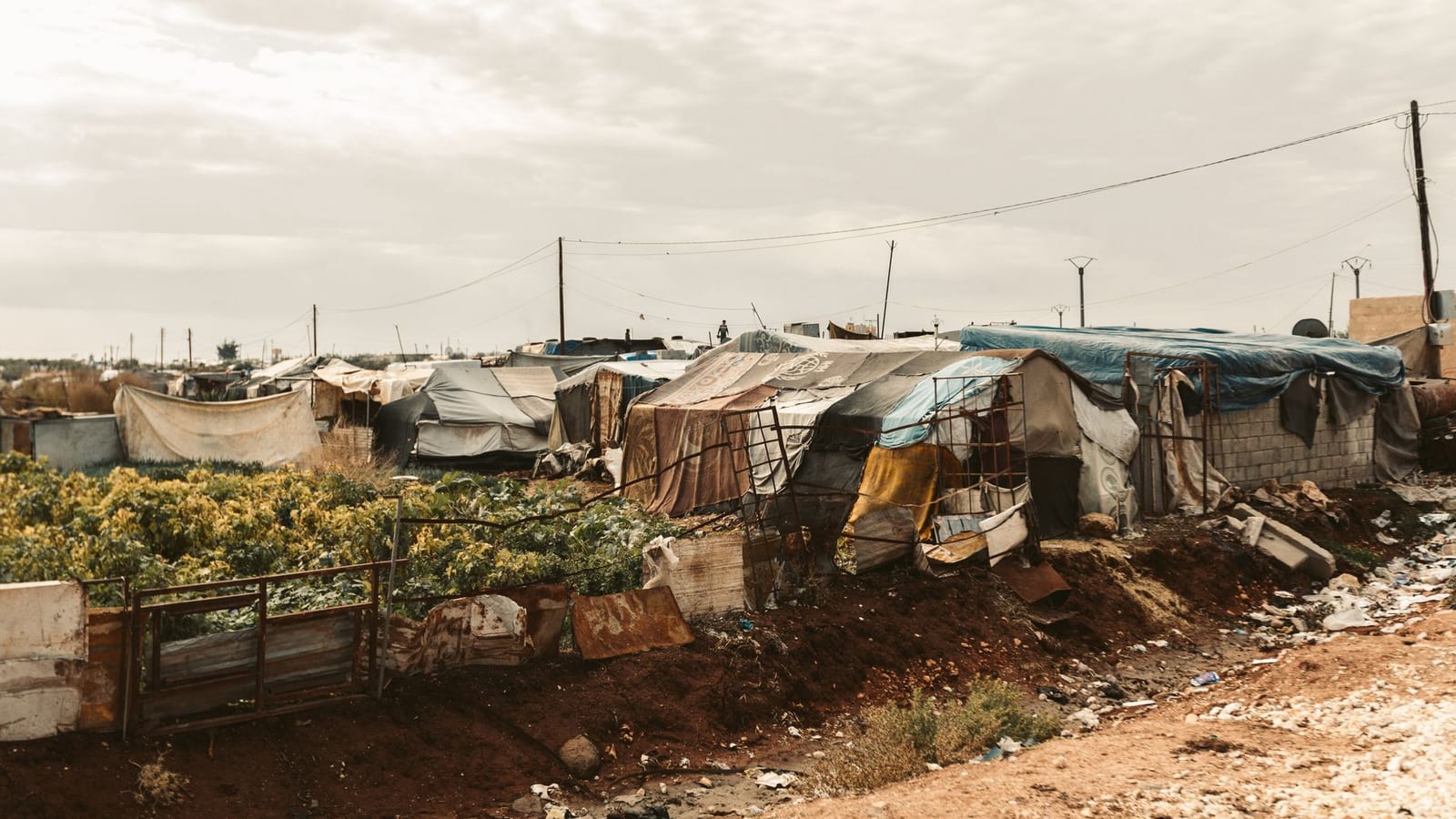
For ordinary Palestinians, settlement expansion is not an abstract diplomatic issue. It means land, roads, water, homes, and movement.
A farmer loses access to fields. A family takes a longer route to school or work. A young person sees the idea of a future state shrink, one hilltop at a time.
That is why the activists want sanctions on settler organisations. Their view is that political leaders may change, but organised settlement networks keep expanding facts on the ground.
This phrase, facts on the ground, sounds cold. In practice, it means a new road here, a guarded outpost there, and another family’s daily life squeezed.
The two-state solution depends on territory that can still function as a state. If that territory becomes broken into pieces, diplomacy loses its address.
This is the warning coming from Paris. The issue is no longer only about restarting talks. It is about whether there will be enough land left to discuss.
France tests a harder line
France has already taken one visible step. It announced a travel ban against Bezalel Smotrich, Israel’s finance minister and a powerful figure in West Bank policy.
But the activists told French diplomats that such moves remain too narrow. They want pressure on organisations behind settlement activity.
That marks a shift in tone. Western governments often prefer individual penalties because they look firm without shaking the whole relationship.
Targeting organisations would be harder. It could affect funding, travel, partnerships, and public legitimacy. It would also anger Israel’s current leadership.
For Paris, the meeting also carries political weight. France recognised the State of Palestine a year ago, but activists say that recognition has not changed much on the ground.
Recognition sounds powerful in a speech. But if homes still disappear and settlements still grow, people living there judge diplomacy by results.
That is the uncomfortable message France heard. If a recognised Palestine cannot protect Palestinian land, then recognition becomes more moral signal than political tool.
The India angle is direct
India has long walked a careful line on Israel and Palestine. New Delhi has deep ties with Israel in defence, agriculture, technology, and intelligence.
At the same time, India has backed Palestinian statehood for decades. It also has huge interests across the Arab world, from energy to jobs for Indian workers.
So when G7 countries talk sanctions, India watches closely. Not because New Delhi will copy them tomorrow, but because global pressure can change the room.
If Western countries harden their line, Israel faces a wider legitimacy problem. If they do not, Arab states may read that as another sign of Western double standards.
Both outcomes matter to India. We buy energy from the region, send millions of workers there, and depend on stable sea routes for trade.
A wider Israel-Palestine crisis also affects Indian households in quiet ways. Fuel prices move. Shipping costs rise. Companies delay decisions. Families with relatives in the Gulf grow anxious.
For Indian diplomacy, the deeper question is this: can India keep strong ties with Israel while still speaking clearly for Palestinian rights?
That balance has become harder since 2023. The old formula, support peace and avoid taking sides too sharply, faces a brutal test when the ground itself keeps changing.
G7 pressure may define the next phase
The Paris recommendations now move to the G7 table. That does not mean sanctions will follow immediately.
G7 governments have different political pressures. Some want to protect Israel diplomatically. Others face angry voters who see the suffering in Gaza and the West Bank daily.
But the civil society demand matters because it changes the centre of debate. The question is no longer only whether leaders support two states.
The sharper question is whether they will stop actions that make two states impossible.
There is also a larger global subtext here. Much of the non-Western world sees Western outrage as selective. Ukraine gets one language. Palestine often gets another.
That perception has grown stronger across Asia, Africa, and the Middle East. It feeds distrust in Western lectures on sovereignty, occupation, and human rights.
India understands this tension well. We live in a world where moral positions often travel with strategic interests. The trick is to see both, and not pretend otherwise.
For the families on the ground, however, the geopolitics is secondary. They need safety, land, water, roads, and a future that does not vanish by committee.
That is why the word sanctions landed so heavily in Paris. It asks powerful countries to move beyond sympathy and attach consequences to policy.
For Indian readers, the story is a reminder that West Asia is never far away. Its conflicts enter our petrol pumps, our ports, our foreign policy, and our living rooms. The next question is whether the G7 treats settlement expansion as a diplomatic irritant, or as the slow burial of the peace plan it still claims to support.