Russia Travel Risks Rise After Ukraine Drone Strikes
Germany's wider Russia travel advisory signals rising drone and detention risks, with implications for students, traders and energy buyers.
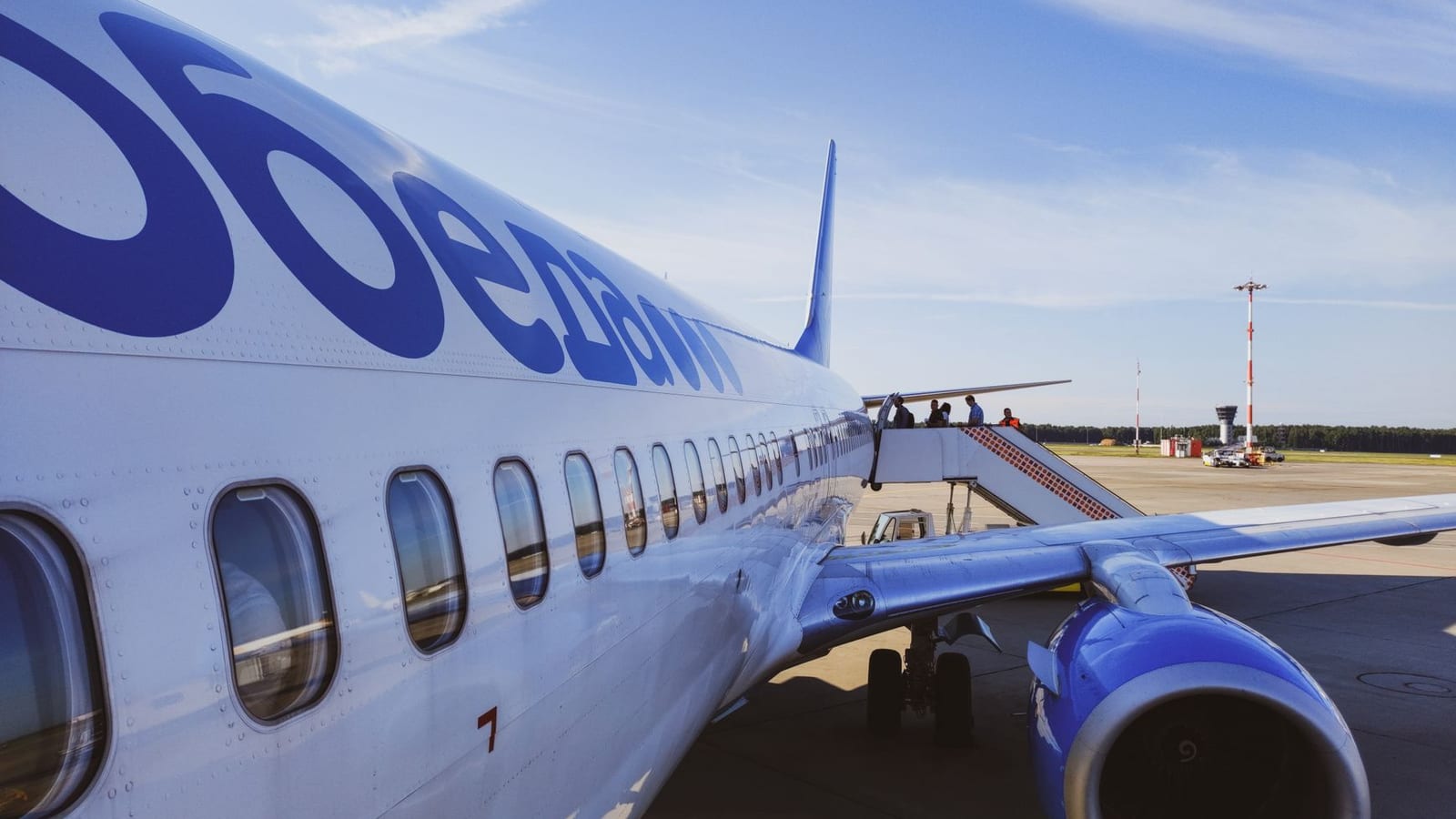
A war that once felt distant to Moscow’s daily life is now landing near airports, homes, fuel pumps and factories.
Germany has widened its travel warning for all of Russia, after a sharp rise in Ukrainian drone attacks deep inside Russian territory. Its foreign office now says travellers face serious danger from drones and falling debris across the country, not just near the Ukrainian border.
That matters beyond Europe. For Indian students, traders, shipping firms, energy buyers and diplomats, this war is no longer only about front lines. It is now about supply chains, fuel prices, air routes and risk.
Germany sees risk across Russia
The German foreign office said Ukraine has expanded drone strikes far beyond border areas. It cited attacks around Moscow, St Petersburg, the Leningrad region and other Russian locations.
The warning also flagged the risk of arbitrary detention for German citizens and dual German-Russian nationals. That is diplomatic language, but the message is simple. Do not assume Russia is a normal travel destination now.
Air travel has also become messy. Russian airports, mainly in the west, centre and south, have faced repeated security closures. These shutdowns can last hours and trigger mass cancellations.
Direct flights between Russia and Germany remain suspended. Travellers still reach Russia through hubs such as Istanbul. But every extra stop now carries more uncertainty.
For Indians, the point is not Germany’s advisory alone. It shows how foreign governments now read Russia as a country-wide risk zone, not just a war-adjacent state.
Drone war reaches Russian cities
Moscow region again reported heavy drone attacks. Regional governor Andrei Vorobyov said Russian defences stopped or disabled dozens of drones around the capital.
Russian authorities said a six-month-old baby died after a drone hit a house in Yegoryevsk, about 100 km from Moscow. They also reported damage in Dubna, a town north-east of the capital.
Ukrainian President Volodymyr Zelenskyy said Ukrainian forces struck a space communications centre in Dubna. He said the facility helped Russian forces with intelligence and coordination in Ukraine.
Those claims cannot be independently verified from the battlefield. That is now a regular feature of this war. Both sides release numbers quickly, and confirmation often comes much later, if at all.
Still, the broad pattern is clear. Ukraine wants ordinary Russians, Russian industry and Russian logistics to feel the cost of the invasion.
This marks a hard turn in the war. Kyiv is not only defending cities like Kharkiv, Dnipro and Zaporizhzhia. It is also taking the fight into Russia’s rear areas.
Fuel pain hits Moscow’s image
The sharper Ukrainian drone campaign has targeted oil refineries, military facilities and industrial plants. That has hurt Russia in a sensitive place, fuel.
Kremlin spokesman Dmitry Peskov confirmed Russia is discussing fuel imports with other countries. He said any imports would happen only at acceptable prices.
For a major oil producer, that is an awkward admission. Russia exports crude to the world, including to India. Yet it now faces shortages at home because refining and distribution have come under pressure.
The fuel crunch began in Crimea, which Russia annexed in 2014. It has since spread to many regions. Reports from Russian areas point to queues at petrol pumps and limits on supply.
President Vladimir Putin also acknowledged problems at fuel stations. He said some petrol grades were not always available and that Russia had started using reserves.
This is where Indians should pay attention. India has bought large volumes of discounted Russian crude since 2022. But crude is only one part of the story.
Refineries, insurance, shipping, sanctions and payment routes matter just as much. If the war keeps hitting Russian energy infrastructure, India will have to watch not only prices, but reliability.
Ukraine pays heavily at home
Ukraine’s expanding reach does not mean it has escaped Russian fire. Russian attacks continue to kill civilians across Ukrainian cities and regions.
In Dnipropetrovsk region, governor Oleksandr Hansha said Russian air strikes hit five petrol stations overnight. He said one woman died and three people were injured.
In Zaporizhzhia, regional military governor Ivan Fedorov said Russian glide bombs killed at least two people and injured 15 civilians. He said a kindergarten building suffered heavy damage.
Glide bombs are ordinary bombs fitted with guidance systems and wings. Russian aircraft release them from a distance, beyond the easy reach of Ukrainian air defences.
That makes them brutal and cheap. A city can hear the blast without seeing the aircraft. For families near the front, that is a daily terror.
Kharkiv also reported a deadly glide bomb strike. Regional governor Oleh Syniehubov said a 23-year-old woman died and 12 people were injured near the city centre.
Ukraine’s air force said it intercepted most Russian drones overnight. But “most” still leaves enough to kill, burn and frighten people.
Europe funds Kyiv’s drone push
The European Union is now putting serious money behind Ukraine’s drone strategy. The European Commission said it has begun releasing 3.9 billion euros for drone procurement.
The first drone-related tranche is expected to total 6 billion euros. The money will also support ammunition, missiles and air defence systems.
This comes from a wider 90 billion euro support loan for Ukraine. Of that, 60 billion euros is marked for defence-related spending.
The EU’s funding model is politically clever. It raises money from capital markets at favourable rates. Ukraine would repay it only if Russia pays compensation after the war.
That tells us Europe expects a long fight. It is not merely sending emergency aid. It is helping Ukraine build a war machine that can strike, defend and sustain itself.
For India, this has two lessons. First, drones have become central to modern war. Second, countries now need industrial depth, not just brave soldiers.
India has its own drone ambitions, from border surveillance to private manufacturing. The Ukraine war is showing what scale really means. Thousands of cheap systems can shape battlefields once ruled by tanks and jets.
This is also about geopolitics. Europe wants to prove it can support Kyiv even when American politics turns unpredictable. Russia wants to show it can absorb pain longer than the West can send money.
India will keep balancing interests, as it has from the start. It needs Russian defence ties, Western technology, stable energy markets and space for its own diplomacy.
But the ground is shifting. A Russian fuel shortage, a German country-wide warning and EU-funded Ukrainian drones are not separate stories. They are pieces of one changing war.
For ordinary Indians, the lesson is simple. A conflict far away can still reach the petrol bill, the flight ticket, the defence budget and the price of global uncertainty. The war is entering a phase where distance offers less protection than it once did.