Turkey Saudi Hejaz Rail Revival Signals Trade Shift
Turkey and Saudi Arabia's Hejaz Railway revival could redraw West Asia trade routes while adding weight to shifting regional power ties.
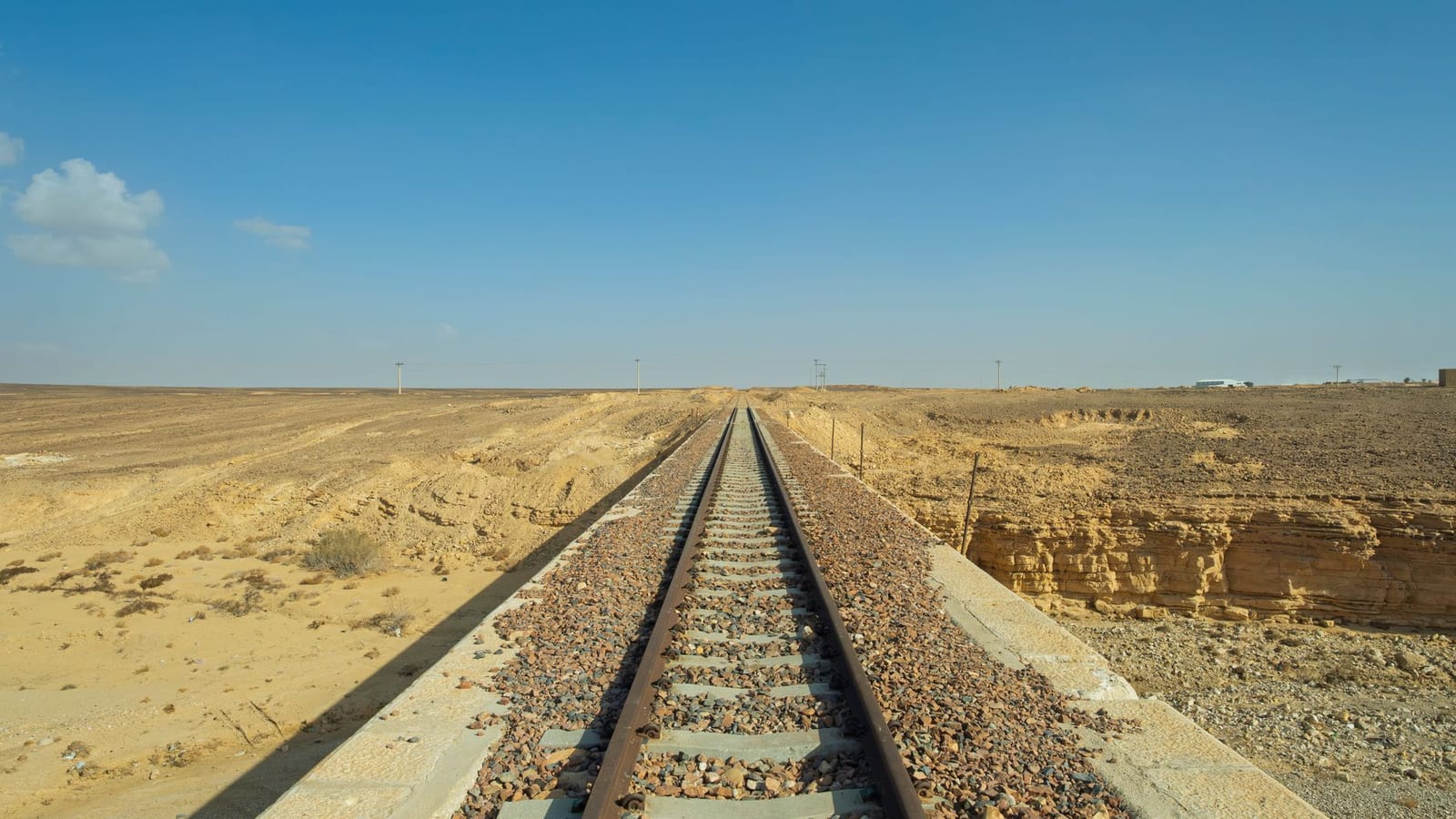
A railway line built for pilgrims may soon return as a hard-nosed geopolitical route.
Turkey and Saudi Arabia want to revive the old Hejaz Railway, the line once meant to carry worshippers from Damascus towards Medina. More than a century later, the same tracks now carry a very different meaning.
This is not just about trains, nostalgia, or heritage. It is about trade routes, Israel, Iran, ports, and the slow rewriting of West Asia’s power map.
A pilgrim route returns
The original Hejaz Railway opened in 1908, when the Ottoman Empire still ruled much of the region. It linked Damascus with Medina, though it never reached Mecca.
For pilgrims, the railway changed everything. A journey that once took about 40 days by camel could be done in around five days.
That was a revolution for ordinary travellers. It meant less danger, lower costs, and a faster route to one of Islam’s holiest cities.
But the railway was never only a religious project. Sultan Abdülhamid II also saw it as a political instrument. It helped Istanbul bind distant Arab provinces more tightly to the Ottoman centre.
That old logic has not vanished. It has simply changed clothes.
Turkey and Saudi Arabia move closer
Last week, transport ministers from Turkey and Saudi Arabia signed letters of intent to study the project. A feasibility study is expected by the end of the year.
Turkish reports have suggested trains could run within three years, though that sounds ambitious. Large rail projects in this region rarely move that smoothly.
The route faces serious gaps. Turkey has built railway lines up to the Syrian border. But Syria’s network has suffered badly after 15 years of civil war.
Jordan also has missing links. Lebanon, watching from the side, hopes an old branch route may someday return too.
The cost remains unclear. That is not a small detail. Rebuilding a railway across war-damaged land, desert routes, borders, and customs systems will need serious money.
Yet the political signal has already left the station. Ankara and Riyadh are telling the region they can build alternatives without waiting for Washington or Tel Aviv.
Israel is the missing link
The old Hejaz Railway had a branch towards Haifa, in what is now Israel. The new plan does not appear to include that link.
That omission says plenty. Turkish Trade Minister Ömer Bolat said the railway should help reduce Israeli influence in the region.
This matters because Israel had its own corridor dream. In 2023, Prime Minister Benjamin Netanyahu, backed by the United States, pushed a route that would connect the Arabian Peninsula with Israel, Europe, and then India by sea.
Netanyahu called it one of Israel’s biggest cooperation projects. But the Gaza war changed the atmosphere completely.
Saudi Arabia has now stepped back sharply from normalisation with Israel. Riyadh seems far more interested in repairing and building ties with regional powers like Turkey.
For India, this is the part worth watching closely. New Delhi was meant to be a major beneficiary of the India-Middle East-Europe Economic Corridor.
That corridor looked attractive because it promised faster trade links to Europe. It also fitted India’s ambition to sit inside every serious global supply chain.
But West Asia has reminded everyone of an old truth. Maps look clean in summit brochures. Politics decides whether goods actually move.
Hormuz fears sharpen the case
The source of urgency is not only Gaza. The wider regional crisis has made trade planners nervous.
If conflict around Iran blocks or threatens the Strait of Hormuz, the world gets an instant lesson in vulnerability. Energy prices jump. Shipping firms panic. Insurance costs rise. Consumers eventually pay.
India understands this better than most countries. We import a large share of our crude oil, and West Asian shipping routes shape our fuel bill.
A rail route from the Gulf towards Turkey and the Mediterranean would not replace sea trade. No railway can carry the same volume as giant ships.
But it can serve as a pressure valve. In a crisis, even a partial land route can keep some goods moving.
That is why this project deserves attention in India. It may look like a regional railway story, but it touches energy, exports, logistics, and diplomacy.
A manufacturer in Gujarat, a trader in Mumbai, or an importer in Delhi may never use this railway directly. Yet freight costs in West Asia still reach Indian balance sheets.
Old tracks, new power play
The most interesting part is the symbolism. The Ottoman Empire built the original line to show that it could act without foreign control.
Today, Turkey wants to prove something similar. It wants to be more than a NATO member waiting for Western instructions.
Saudi Arabia is doing its own balancing act. It talks to Washington, manages China, keeps channels with Russia, and now moves closer to Turkey.
This is the new West Asia. Countries still need the United States, but they no longer want only one security umbrella or one trade route.
India must read this mood carefully. Our foreign policy already tries to avoid fixed camps. This railway story shows why that instinct is right.
New Delhi will need good ties with Riyadh, Ankara, Tel Aviv, Tehran, and Washington. That is not easy. But in this region, choosing one door often closes three others.
The revived Hejaz Railway may take years to build, if it gets built at all. Wars, money, sanctions, and border politics can slow any grand plan.
Still, the idea itself matters. West Asia is not waiting for old powers to draw its routes anymore. It is sketching new ones, one rail line at a time. For Indian families, that could show up quietly, in fuel prices, trade costs, and the stability of jobs tied to exports. The tracks may be far away, but the bill, as always, can travel all the way home.