Monsoon Alerts Disrupt Daily Routines Across North India
Rain and wind alerts in Delhi NCR, Bihar and other states are reshaping commutes, school plans and market hours as the monsoon advances further.
A June evening plan now depends on the sky first, and everything else later.
Across north and central India, rain alerts have moved from weather boxes to family WhatsApp groups. Office commutes, school pickups, temple visits, flights, and market hours now bend around one question: will the storm arrive before people get home?
The latest round of state updates shows the monsoon pressing deeper into everyday life. It is not just about rain. It is about how Indian cities and towns adjust when heat, wind, flooded roads, and sudden alerts arrive together.
Monsoon changes the daily calendar
In Delhi NCR, authorities flagged rain with strong winds for June 13. For many residents, that means the usual small calculations begin early. Metro or cab? Leave office before traffic thickens? Keep children indoors after tuition?
This is the ordinary drama of the monsoon in urban India. The first showers bring relief after brutal heat. Then comes the second thought, waterlogging, falling branches, delayed cabs, and power cuts.
In Bihar, the monsoon reached Muzaffarpur and covered nearly half the state. Patna was still waiting, while five districts faced alerts. That waiting matters in a state where rain shapes farming, transport, and household budgets.
For a farmer, the monsoon is not a mood. It decides sowing plans. For a small shopkeeper, it decides footfall. For a student travelling between towns, it decides whether a 40-minute trip becomes half a day.
Storm alerts move beyond weather
Chhattisgarh also saw warnings for heavy rain across 17 districts. Wind speeds could touch 50 to 60 kmph. That is strong enough to disrupt roads, outdoor work, and local markets.
A flight headed to Raipur was diverted to Nagpur amid bad weather. Such disruptions often look minor on paper. For passengers, they mean missed meetings, late-night calls home, and extra costs nobody planned.
This is why weather has become a lifestyle story, not just a science story. Urban India runs on tight schedules. A storm alert can disturb weddings, clinic visits, exams, deliveries, and factory shifts in one sweep.
The heat has also not fully left. Some parts of Himachal saw temperatures touch 44 degrees before fresh rain alerts. That contrast tells its own story. Families are moving between summer survival and flood caution almost overnight.
Hills face sharper risks
In Himachal Pradesh, officials warned of sudden floods before the full monsoon rhythm had settled in. The state also plans automatic weather stations across 3,758 panchayats.
That detail deserves attention. A weather station in a panchayat is not just a gadget. It can help local officials track rain, temperature, and risk closer to the ground.
Hill states need that local view. A cloudburst in one valley can leave another valley untouched. A road can look safe in the morning and vanish by afternoon. Tourists often learn this too late.
For local families, this is about timing daily life with care. A school route, a bus ride, a medical trip, or a market run can become risky when water rises fast.
Tourism also feels the change. Himachal sells beauty, cool air, and escape from the plains. But the new tourist season needs better warnings, better roads, and more respect for mountain weather.
Cities are still learning rain
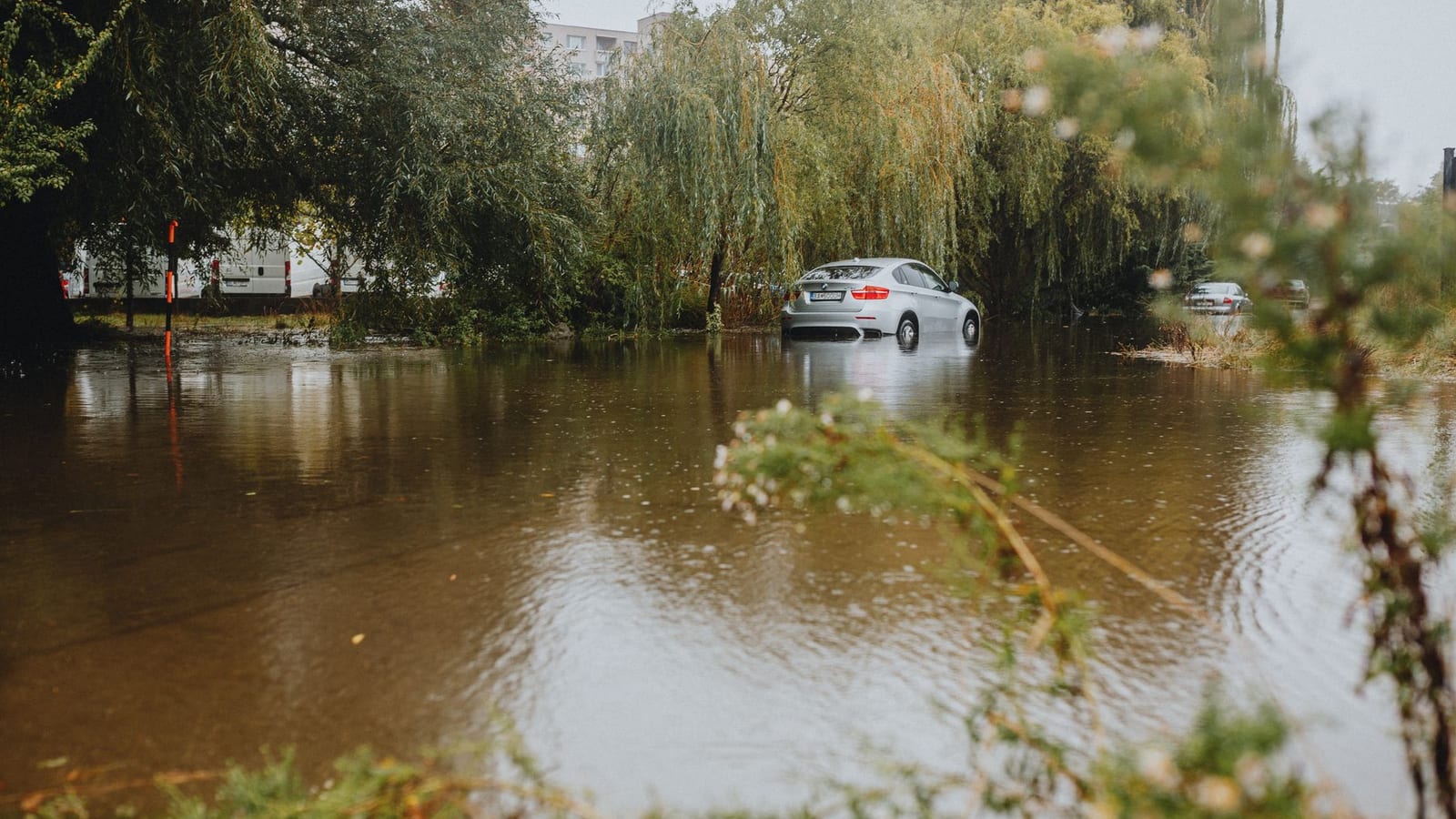
The same storm that cools a city also exposes its weak spots. Drains choke. Power lines fail. Underpasses flood. Two-wheelers skid. A small error becomes costly.
In Rajasthan, emergency services at Jaipur’s SMS hospital reportedly stopped for hours after protests over a contractual nursing worker’s death. That was not a weather event. Yet it shows how fragile public systems can become when stress piles up.
In Delhi, a fire in Govindpuri brought another human story. A man who had escaped danger reportedly went back into the flames for his family. Such moments remind us that emergency response is not abstract. It starts with ordinary people making impossible choices.
Weather warnings land inside this same public system. If hospitals, roads, electricity, and local administration work smoothly, people cope better. If they fail, rain becomes a crisis faster.
India has become good at issuing alerts. The harder part is making alerts useful at street level. People need clear timing, local language, and practical advice before the sky turns dark.
A season that tests habits
The monsoon also changes how people consume and move. Restaurants see slower evenings during heavy rain. Malls fill up when outdoor plans collapse. Street vendors lose business when showers hit peak hours.
Fashion changes too, in small but telling ways. White sneakers disappear. Office bags get plastic covers. Cotton kurtas, quick-dry shirts, rubber sandals, and compact umbrellas return without ceremony.
Food follows the weather. Tea stalls get crowded. Pakoras sell faster. Families plan simpler dinners when commuting looks uncertain. These are not grand shifts, but they show how deeply rain enters Indian life.
The larger signal is clear. Modern India wants speed, comfort, and predictability. The monsoon interrupts all three. It reminds cities that nature still controls the calendar.
This year’s early alerts across Delhi NCR, Bihar, Chhattisgarh, and Himachal show one thing clearly. The monsoon is no longer background weather. It is a daily planning force. The households, businesses, and local governments that read it early will move with less panic. The rest will keep learning the hard way, one flooded road at a time.