World Cup 2026 begins with 48-team format, no India
The 2026 World Cup opens with 48 teams and 104 matches, giving smaller nations a bigger stage while India remains absent from football's top event.
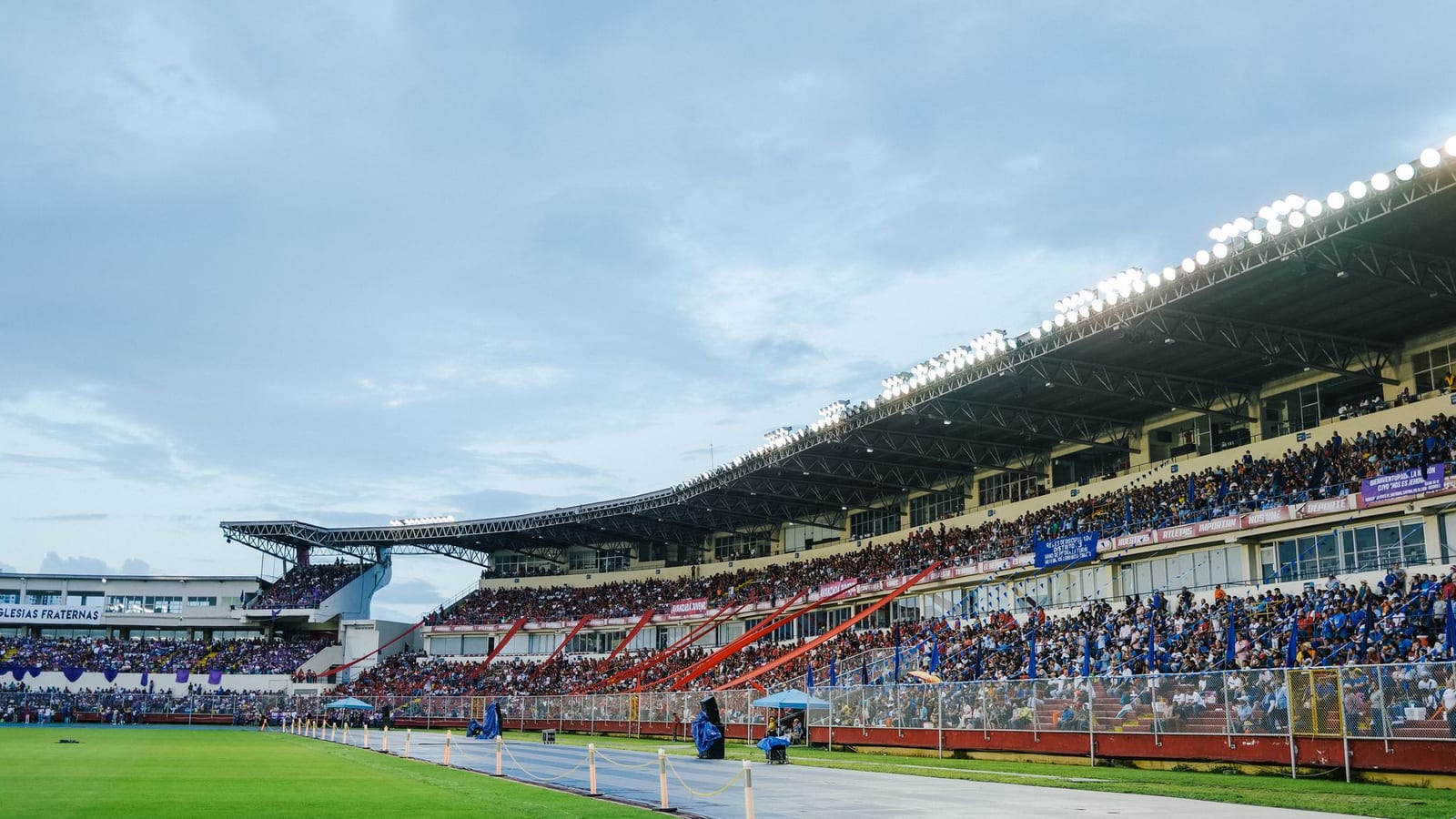
Forty-eight teams, 104 matches, three host countries, and one missing name for Indian fans: India.
The FIFA World Cup 2026 has opened as football’s biggest festival yet. For a month, living rooms, cafes, college hostels, and late-night WhatsApp groups will run on match schedules.
For Indian viewers, this World Cup is not just about Messi, Mbappe, or Ronaldo. It is also about a familiar ache. The country will watch closely, argue loudly, and still ask the same old question: when will India get there?
A 48-team football month
FIFA has stretched the tournament like never before. The World Cup now has 48 teams, up from the old 32-team format.
That means 104 matches instead of 64. In simple terms, fans get more football, more unknown teams, and more chances for chaos.
The teams sit in 12 groups of four. The top two from each group move ahead. The eight best third-placed sides also enter the knockouts.
This format gives smaller football nations a real opening. A bad start no longer ends the dream quickly. One gritty draw can still matter.
For casual fans, though, the format needs a little homework. The old World Cup table felt cleaner. This one asks viewers to track points, goal difference, and third-place rankings.
Three countries share the stage
Mexico hosted the opening match in Mexico City on June 11. The final will be played on July 19 at MetLife Stadium in New Jersey.
The United States, Mexico, and Canada are hosting together. It is the first World Cup spread across three countries.
That makes the 2026 edition feel less like one tournament city after another. It feels like a continent-sized roadshow.
The United States will host most matches, including the final. Mexico and Canada will host 13 matches each.
For fans travelling from India, that also means a very different kind of football trip. Distances are huge. Budgets will bite. A Mexico City opener and a New Jersey final sit in different travel universes.
For viewers at home, the bigger issue is time. North American kick-offs can turn Indian match nights into early mornings. Office-goers and students will choose their battles carefully.
India watches from outside
India is not part of the 48-team field. That hurts more because the tournament has expanded.
The broader format has opened doors for more countries. It has not yet opened one for Indian football.
That absence will sit quietly under every watch party. A young fan in Kerala, Goa, Kolkata, Manipur, or Bengaluru can know European clubs by heart. Still, the national team remains outside the biggest stage.
This is the strange Indian football story. The audience is large. The emotion is real. The league system has improved. Yet the bridge to the World Cup still looks far away.
The 2026 edition will make that gap more visible. When new or smaller football nations appear on screen, Indian fans will compare. They will ask what those countries built better.
That question matters beyond sport. Football needs coaching, grounds, school systems, scouting, and patient money. Talent alone does not carry a country to this stage.
Argentina carries a heavy crown
Argentina enters as defending champion after the unforgettable 2022 final against France. That win gave Lionel Messi the one trophy his career still needed.
But history is not kind to defending champions. Only Italy in 1938 and Brazil in 1962 have retained the men’s World Cup.
That is why Argentina’s campaign carries extra weight. The shirt says champion. The format says nobody gets an easy month.
France, England, Brazil, Spain, Portugal, Germany, Netherlands, and Croatia all arrive with serious ambition. Some have superstars. Some have systems. The best sides usually need both.
The expanded tournament may also change how big teams manage energy. Seven matches were hard enough. Now, deeper squads and smart rotation become even more important.
For fans, this means more than tactics. It means the stars may not play every minute. It also means lesser-known players could become household names overnight.
A new kind of football viewing
The World Cup is also a lifestyle event in India now. It lives as much on phones and streaming apps as on television.
A late goal becomes a reel within minutes. A celebration turns into a meme before breakfast. A missed penalty travels faster than a full match report.
Urban India has learned to consume football socially. Sports bars screen the big games. Housing societies set up projectors. Friends plan meals around fixtures.
There is also a softer cultural shift here. Football has become a marker of taste among young Indians. Club jerseys, fantasy leagues, and tactical talk now sit beside cricket chatter.
That does not mean cricket has lost its throne. It means football has carved out its own room in the house.
The 2026 World Cup will test how deep that room has become. A larger tournament gives casual fans more entry points. It also risks tiring them out.
The real winners may be the matches that offer a clean story. A giant falls. A debutant survives. A veteran gets one last night. Football sells best when the emotion is easy to grasp.
This World Cup arrives with numbers so large that they can feel cold. But the heart of it remains simple. People will stay awake for a team that is not theirs, in a country that is not theirs, chasing a feeling they know very well. For India, that feeling is still borrowed. One day, the hope is that it will feel like home.