Mexico Beat South Africa As 2026 World Cup Opens
Mexico opened the 2026 FIFA World Cup with a 2-0 win over South Africa, as Indian fans tracked a packed week across global and local sport.
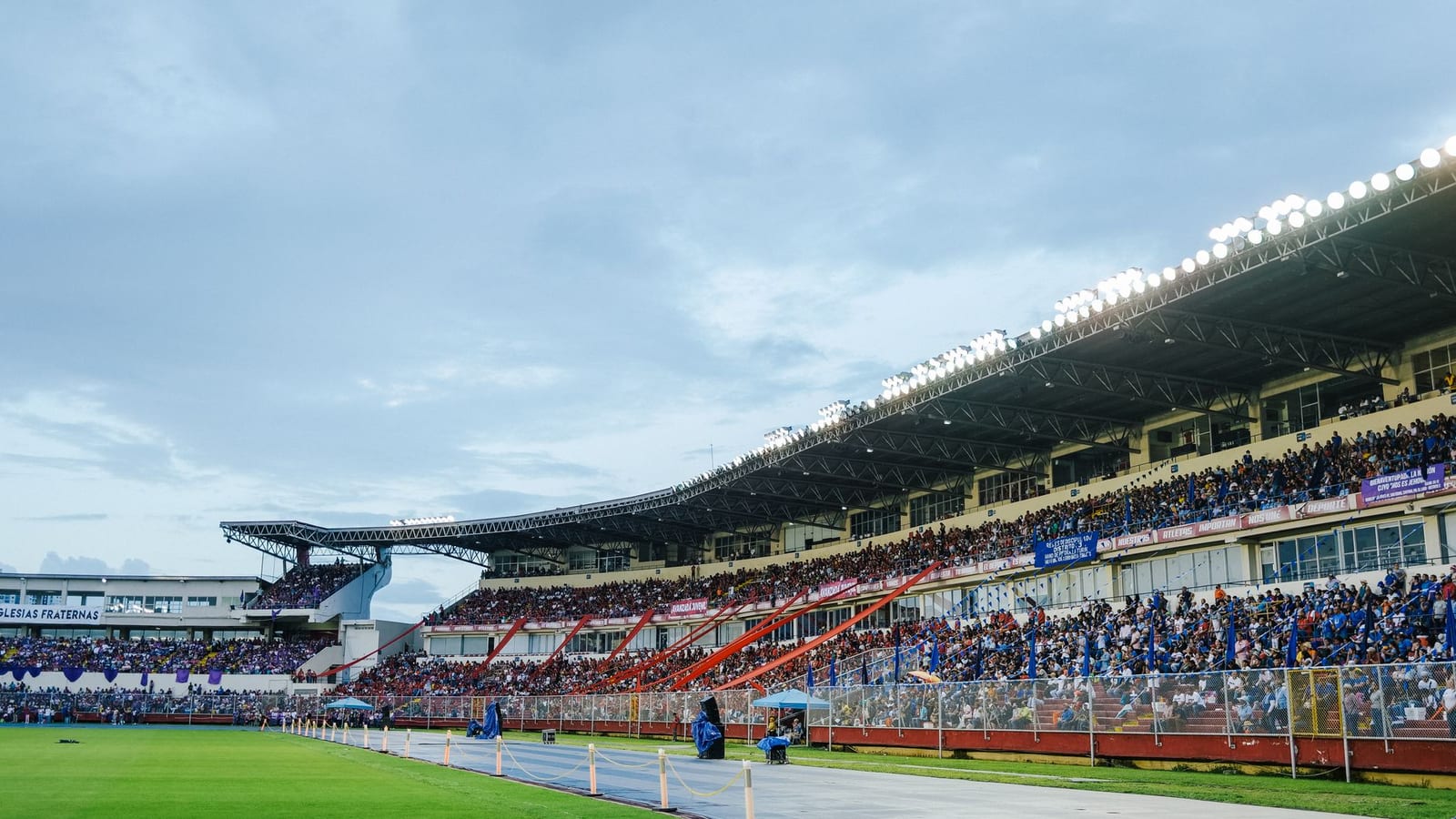
A sports fan in India needed 3 screens this week: Mexico City, Mullanpur, and Paris all demanded attention.
The FIFA World Cup 2026 opened with noise, cards, and a statement win. Mexico beat South Africa 2-0 at the Estadio Azteca, in a match that carried the usual opening-night nerves.
For Indian fans, the bigger story sat closer home. Cricket, badminton, hockey, chess, wrestling, and yoga all threw up sharp reminders that Indian sport now moves on many tracks at once.
Mexico starts with control
Mexico’s 2-0 win over South Africa gave the first World Cup hosted by 3 countries a lively start. The United States, Canada, and Mexico are sharing the tournament, which makes this edition feel larger than usual.
The opening game also had bite. Three players saw red cards, which is rare for a tournament opener. South Africa lost discipline at key moments, while Mexico kept enough shape to finish the job.
For fans watching from India, the timing mattered less than the mood. The World Cup has returned with packed stands, pressure, and the kind of chaos that makes football addictive.
Canada also issued a useful warning for travelling fans. A World Cup ticket will not guarantee entry into Canada. That sounds obvious on paper, but many fans often treat a match ticket like a travel pass.
Mullanpur gets its big cricket week
Indian cricket’s domestic map also shifted attention to Mullanpur. The Maharaja Yadavindra Singh International Cricket Stadium hosted India’s Test against Afghanistan, and the home side quickly took charge.
India made 368/3 on the opening day. KL Rahul and Shubman Gill scored centuries, while Sai Sudharsan added a half-century. For a young batter, that kind of innings matters beyond the scorecard.
By day 2, Afghanistan were 113/5. India still led by 451 runs, which told the story plainly. The match had moved from contest to survival test for the visitors.
Mullanpur also got a ceremonial lift. A Wall of Fame honouring leading cricketers was opened at the stadium by BCCI president Mithun Manhas and PCA secretary Meet Hayer.
That matters for Punjab cricket. Fans do not build attachment only through matches. They build it through memory, local pride, and seeing their own venues treated seriously.
India’s bench sends signals
Away from the Test side, India A began its one-day campaign with an 8-run win over Sri Lanka A. Ruturaj Gaikwad scored a century, the kind selectors always notice.
India A games rarely get the drama of senior internationals. Yet they often decide who stays in the selection room conversation. A hundred here can travel far.
The fast-bowling file also moved. Mohammed Siraj has been advised rest, and Prasidh Krishna has found a place for the Ireland and England tours.
That is not a small call. India’s pace attack now works like a rotation unit. Workload, formats, and conditions all shape who plays, not just form.
This is where modern cricket feels less romantic and more managerial. A bowler may look fit on television, but the medical sheet often tells a different story.
Sindhu leads, Tanvi announces herself
Indian badminton had its own bright morning at the Australian Open Super 500. PV Sindhu won her match and led a strong day for the women’s group.
The sharper headline came from Tanvi Sharma. The 17-year-old beat the 5th seed from Chinese Taipei, a result that will travel through the badminton circuit.
Teenage upsets can be tricky to read. One win does not create a finished champion. But it does change how opponents prepare for you.
For Sindhu, every win now carries a different weight. She is no longer just chasing titles. She is also carrying the bridge between India’s golden badminton years and the next batch.
That is a hard role. Young players need space to grow, but Indian sport often rushes to crown them. Tanvi’s win deserves excitement, not a heavy label.
Hockey, chess, and courtrooms matter
India’s under-18 men’s hockey team won the Asia Cup with a 4-1 victory over Japan. Ashish Purti scored a hat-trick in the final, after India had beaten Pakistan 5-3 in the semi-final.
Those scorelines matter because junior hockey often reveals the next senior core. It also shows whether India’s grassroots pipeline has speed, finishing, and nerve.
Chess delivered another proud talking point. Grandmaster Pravin Thipsay praised R Praggnanandhaa after his Norway Chess title, calling his current form more dangerous than Magnus Carlsen’s.
That is strong praise, but Praggnanandhaa has earned attention through results. Indian chess no longer depends on one famous name. It now has a serious group pushing the elite.
India also stayed on top at the World Yogasana Championship. The hosts had 50 medals after day 3, with 40 gold, 8 silver, and 2 bronze. Japan stood second with 10 medals, including 3 gold.
Not every story came from the field. The National Sports Awards delay has left athletes disappointed. The selection committee reportedly sent its list 6 months ago, but the Sports Ministry has stayed quiet.
That silence hurts. Awards do not replace training grants, facilities, or prize money. But recognition still matters deeply to athletes outside cricket’s bright lights.
The Supreme Court also dismissed the wrestling federation’s petition against Vinesh Phogat. The Delhi High Court had allowed her to take part in selection trials, and that order now stands.
This is not just a legal note. For athletes, trials decide careers. A missed trial can mean a missed season, and sometimes a missed peak.
The week also had a global tennis marker. Mirra Andreeva won the French Open and became the youngest women’s champion there since 1992. Indian fans know what that means: sport keeps getting younger, faster, and less patient.
Taken together, this was not just a busy sports bulletin. It showed the new rhythm of Indian sport, where a fan can celebrate junior hockey, track a Test match, follow a court order, and wake up for the World Cup in the same week. The real test now is simple: whether our systems can keep up with our athletes.