Mediators keep US-Iran backchannel open in Doha talks
Pakistan and Qatar said Doha mediation made progress on US-Iran issues tied to the Islamabad MoU, with oil and air routes in focus.
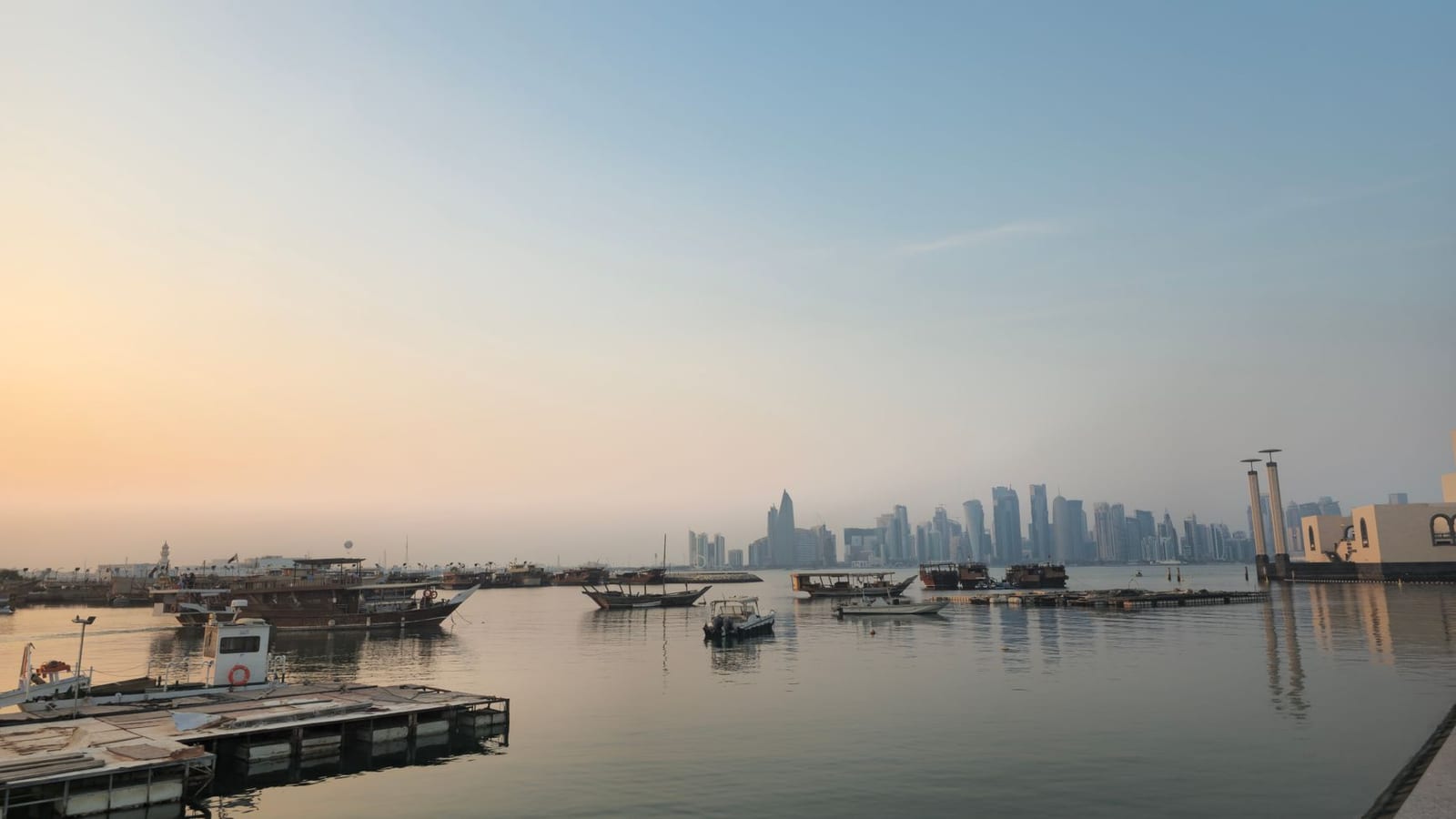
Doha has again become the room where West Asia’s hardest conversations happen quietly.
Pakistan said mediators from Pakistan and Qatar held separate meetings with American and Iranian negotiators in Doha. The line from Islamabad was careful, but clear enough. The talks made “positive progress” on issues tied to the Islamabad memorandum of understanding.
For ordinary Indians, this may sound distant. It is not. Any sharp turn between the US and Iran can touch oil prices, air routes, migrant workers, trade, and household budgets here.
Doha keeps the channel open
Pakistan’s Foreign Office said the Doha meetings built on earlier diplomatic work after the June 18 Islamabad MoU. That agreement aimed to calm tensions in West Asia after months of hostility and open attacks.
The two sides did not sit together in one public room. Pakistani and Qatari mediators met US and Iranian negotiators separately. That format often tells its own story. When rivals cannot speak directly, someone still has to carry messages across the corridor.
Qatar’s foreign ministry spokesperson issued the same broad statement earlier. That showed both mediators wanted one clean public line. Nobody wanted dramatic claims. Nobody wanted to reveal the hard parts too early.
The next meeting has not been fixed. Pakistan said discussions will resume after funeral processions for former Iranian Supreme Leader Ayatollah Ali Khamenei.
Khamenei’s death changes the mood
Khamenei’s death sits over these talks like a heavy curtain. Pakistan’s Foreign Office said further meetings would follow the funeral ceremonies of the former Iranian Supreme Leader.
He had ruled Iran for three decades. His killing on February 28, during massive US and Israeli air strikes on Tehran, changed the region’s political weather. Even enemies have to read such a moment carefully.
The burial ceremonies are scheduled in Tehran and Qom on July 5, 6, and 7. The final burial ceremony will take place in Mashhad on July 9.
That timing matters. Iran cannot negotiate as if nothing has happened. Its leaders must manage anger at home, pressure from powerful factions, and the need to avoid more damage.
This is where mediation becomes slow work. A single public sentence may hide hours of argument. One misplaced word can harden positions. One useful phrase can keep the door open.
Why Indians should watch closely
India watches West Asia with more than diplomatic interest. Millions of Indians live and work across the Gulf. Their salaries support families from Kerala to Uttar Pradesh, Punjab, Telangana, and Bihar.
When the region heats up, air routes can shift, shipping gets nervous, and insurance costs rise. Those costs rarely stay inside boardrooms. They travel into petrol pumps, freight bills, and eventually kitchen budgets.
Iran also sits near routes and relationships India has cared about for years. Chabahar, energy links, regional access, and trade all depend on a calmer neighbourhood. A prolonged US-Iran standoff narrows India’s choices.
For a working couple paying a home loan in Pune or Noida, diplomacy can seem abstract. But a spike in crude oil can quickly show up in transport, food, and monthly expenses.
That is why “positive progress” in Doha deserves attention, even if it sounds bland. In this region, bland language often signals that nobody has walked away.
Pakistan and Qatar take centre stage
Pakistan’s role is also worth watching from New Delhi. Islamabad has presented itself as a mediator between two deeply hostile sides. That gives Pakistan diplomatic visibility at a sensitive time.
Qatar, of course, has played this role before. Doha has hosted difficult talks involving regional conflicts, militant groups, and major powers. Its value comes from access, discretion, and patience.
For Pakistan, the stakes are different. It borders Iran and has its own security concerns. Any wider conflict could spill into trade, migration, border management, and domestic politics.
The joint mediation also shows how middle powers now operate. They may not control the conflict, but they can shape the room. They can slow escalation when larger powers are trapped by their own rhetoric.
Still, mediation is not magic. It cannot erase mistrust between Washington and Tehran. It cannot settle grief in Iran or remove strategic pressure from the US side. It can only keep talks alive long enough for a deal to become possible.
The MoU is only a start
The Islamabad MoU appears to be the basic document guiding these talks. Pakistan said the Doha discussions focused on its related aspects. Earlier technical-level talks took place in Switzerland on June 21.
That sequence matters. First comes a political understanding. Then officials sit with details. These details are where peace efforts often wobble. Timelines, guarantees, inspections, sanctions, security assurances, and wording can all become traps.
The public does not yet know what each side has offered. It also does not know what either side refuses to accept. That is normal in serious talks, but it limits easy conclusions.
What we can say is simpler. The parties have not abandoned the channel. Pakistan says they agreed to continue discussions. Qatar echoed that position. For now, that is the real news.
A ceasefire of words is not peace. A memorandum is not a settlement. A meeting in Doha is not a guarantee that missiles will stop, sanctions will ease, or families will feel safer.
But diplomacy often begins with exactly this kind of guarded sentence. For India, the test is practical. If Doha can lower the temperature even a little, it helps oil markets, migrant workers, airlines, traders, and ordinary households. The next signal will come after July 9, when mourning gives way to bargaining again.