Pakistan poverty rises to 28.9% as education funds fall
Pakistan's poverty rate has climbed to 28.9% while education spending has dropped to 0.8% of GDP, deepening pressure on households.
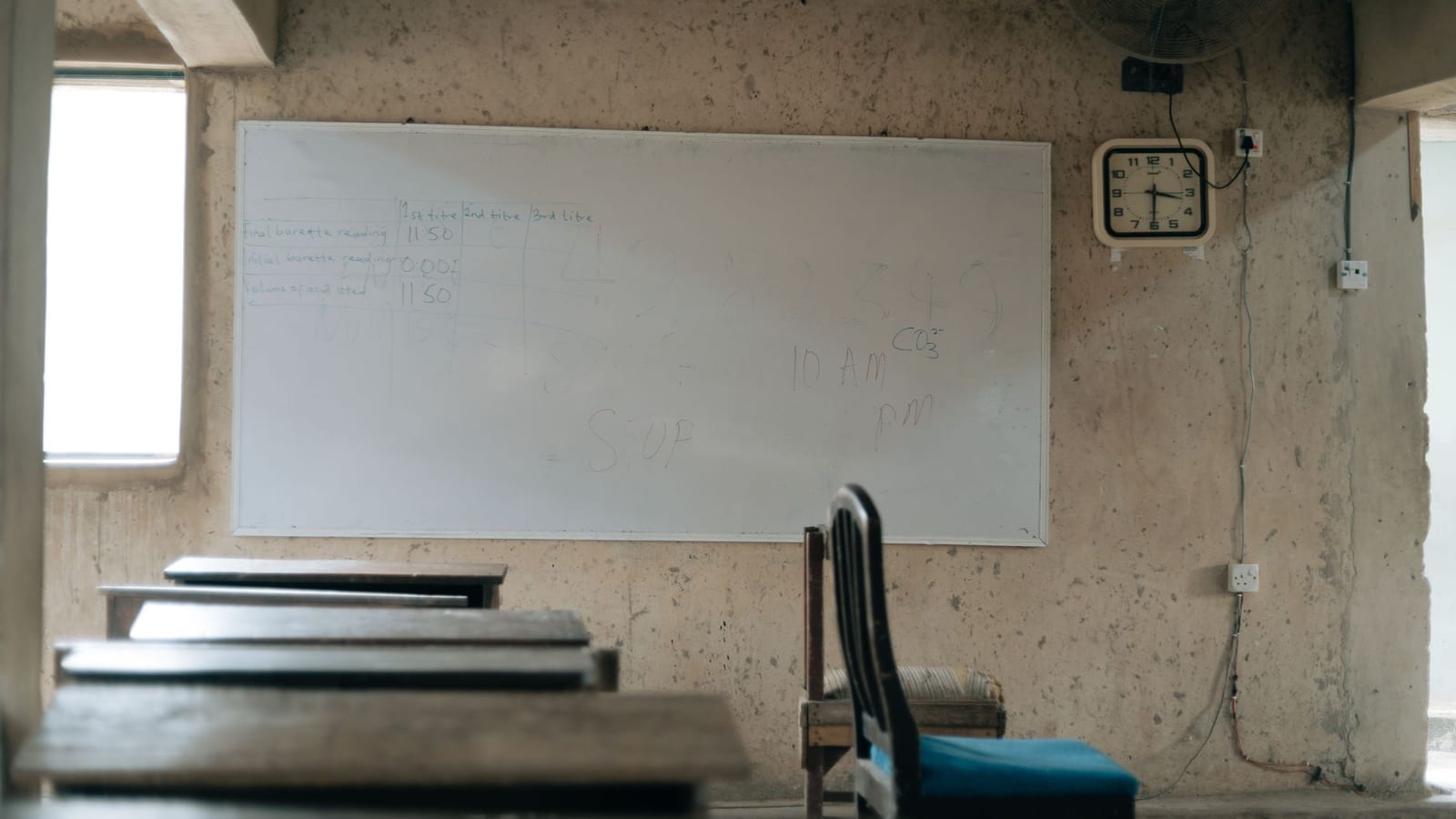
A poor household does not feel inflation as a percentage. It feels it in fewer meals, delayed school fees, and a child pulled out of class.
That is the blunt message from Pakistan’s latest economic numbers. The country’s poverty rate has climbed to 28.9 percent in 2024-25, up from 21.9 percent in 2018-19.
At the same time, public spending on education has fallen to just 0.8 percent of GDP. For any country with a young population, that is not belt-tightening. That is eating the seed corn.
Poverty has spread beyond villages
The Pakistan Economic Survey 2025-26 says years of poverty reduction have gone into reverse. That matters because poverty rarely returns quietly.
It first shows up in kitchens, medicine bills, school bags, and rent. Then it starts changing life choices.
Rural Pakistan remains the worst hit, as expected. Farm incomes, informal work, and weak public services make village households more exposed.
But the survey also flags rising poverty in cities. That is the more worrying part.
Urban families usually have more cash income. They also face cash expenses every day. Rent, transport, food, power, gas, and school fees leave little room for shocks.
For a low-paid worker in Karachi or Lahore, higher prices do not arrive as a policy debate. They arrive as a smaller basket at the market.
The survey says inflation has pushed up the poverty line itself. In simple terms, a household now needs more money just to be counted as not poor.
That is a cruel moving target. People may work just as hard, but still fall behind.
Inequality is widening the pain
The survey also points to rising inequality. Some people have managed to ride out the storm. Many others have slipped further down.
This is a familiar South Asian story. Inflation never hits everyone with the same force.
A wealthy household cuts travel or delays a gadget purchase. A poor household cuts milk, medicines, or tuition.
The survey says recent shocks have hurt the poor first and hardest. That sentence carries more weight than it seems.
It means the system has weak cushions. When prices rise, the poorest do not have savings, assets, or steady wages to protect them.
Pakistan also depends heavily on money sent home by workers abroad. These remittances help millions of families pay bills.
The survey warns that trouble in the Middle East could hurt those flows. Many Pakistani workers live and work there.
If remittances slow, the blow will not stay in bank data. It will reach families that plan monthly budgets around those transfers.
India knows this pattern well. Remittances often pay for school fees, house repairs, weddings, and medical treatment.
When that money becomes uncertain, households stop planning and start surviving.
Education spending has hit bottom
The sharpest warning lies in education. Government spending on education fell 23 percent to Rs 962 billion in FY2025.
Its share of GDP dropped to 0.8 percent. That is extremely low for a country trying to grow out of poverty.
GDP is the total value of what a country produces. So education’s share of GDP shows national priority, not just budget size.
At 0.8 percent, the signal is bleak. Pakistan is spending too little on the very ladder poor families need most.
The survey says many schools still lack basic facilities, especially in poorer areas. That can mean weak buildings, poor sanitation, fewer classrooms, or patchy teaching support.
These details matter. A school without proper facilities is not just uncomfortable. It can push children out.
Girls suffer more when schools are far, unsafe, or poorly equipped. The survey also notes that literacy still lags among women.
That has long-term costs. When girls miss education, families lose future income, health improves more slowly, and the labour force stays smaller.
There have been some gains in enrolment. But millions of children remain outside school.
That is the hard contradiction. Pakistan needs growth, yet many children may never get the skills to join it.
Why Indians should pay attention
For Indian readers, Pakistan’s poverty numbers may look like a neighbour’s crisis. But the lesson sits closer home.
South Asian economies often face the same traps. High food prices, weak public schools, informal jobs, and tight public finances hurt the poor most.
India is larger and better cushioned in several ways. But the basic household arithmetic is similar.
When food and rent rise faster than income, families cut the future to manage the present. Education is often the first quiet casualty.
A child may stay enrolled on paper. But private tuition stops, attendance slips, nutrition worsens, and learning falls.
That is how poverty becomes hereditary. It does not always need a dramatic collapse.
It grows through small, repeated compromises. One missed fee. One untreated illness. One teenager sent to work.
Pakistan’s survey also reminds us that macroeconomic recovery can be misleading. A country can stabilise its currency or control deficits while families still suffer.
Numbers at the top may improve before daily life does. Politicians love the first part and avoid the second.
The real test lies in whether growth reaches kitchens and classrooms. Without that, recovery remains a word used in press rooms.
The hard road ahead
Pakistan now faces two linked tasks. It must protect poor households today and invest in children for tomorrow.
Cash support, food relief, and inflation control can reduce immediate pain. But they cannot replace schools.
Education needs steady funding, better governance, and basic dignity in classrooms. Fancy reforms mean little if a child lacks a usable school nearby.
The survey itself calls for more investment in access, quality, learning outcomes, equity, and governance. Put simply, children must get into school, stay there, and actually learn.
That sounds obvious. In South Asia, the obvious often remains unfinished.
The deeper problem is political choice. Defence, debt payments, subsidies, and administrative costs usually shout louder than classrooms.
Poor families rarely have that kind of voice. Their crisis becomes visible only when the numbers become impossible to ignore.
Pakistan has now reached that point. Nearly three in ten people living in poverty is not just an economic statistic. It is a warning about social strain, lost talent, and a generation under pressure.
For ordinary families, the next few years will decide whether this is a bad cycle or a deeper break. If prices cool and schools get funds, recovery can still become real. If not, today’s poverty will walk into tomorrow’s classroom, and sit there silently.