Starmer seeks reset after UK defence resignations
Keir Starmer says he will stay on as UK leader after defence resignations and election setbacks, citing the same fiscal squeeze ahead.
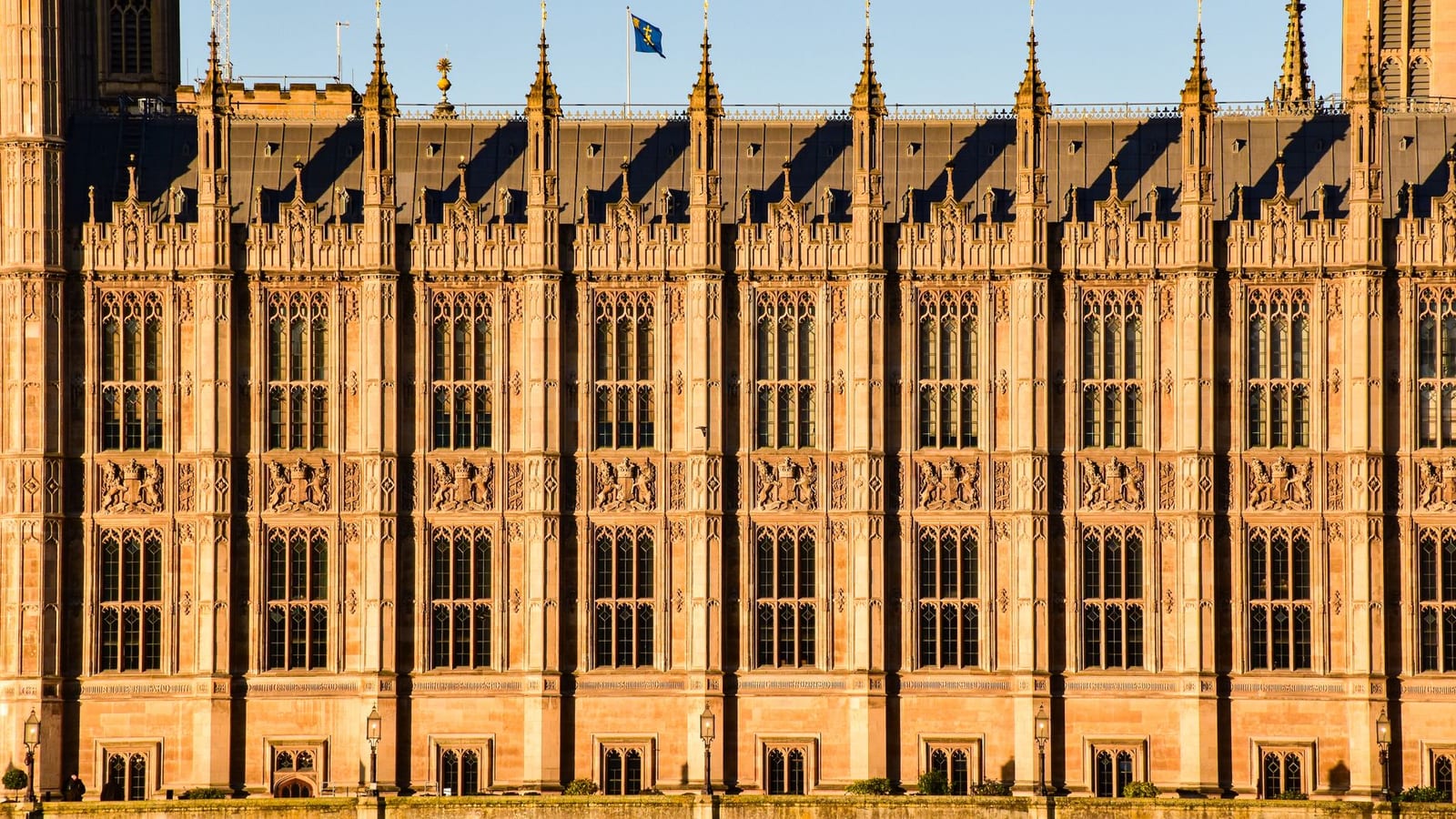
A prime minister usually looks weakest when he says he is staying.
That was the sight from London, where Keir Starmer tried to steady himself after two defence resignations and a bruising round of elections. Less than a year of pressure can age any government. In Britain, it can also wake up every ambitious colleague in the room.
For Indian readers, this is not just Westminster theatre. The United Kingdom remains a key trade, education and security partner for India. When its government wobbles, businesses, students, investors and diplomats all start watching the calendar.
Starmer digs in after resignations
Starmer told the BBC he would not quit. He accepted that his party had taken a bad hit in recent elections. He also said he needed to turn things around.
That is a careful line. He did not pretend all was well. He also refused to sound like a man packing his files.
His message was simple. Anyone replacing him would face the same economy, the same budget squeeze, and the same hard choices.
That argument matters because Britain’s problem is not only about personality. It is about money. Every government wants better defence, cheaper homes, stronger public services and lower taxes. The real fight begins when the bill arrives.
Labour now has to decide whether Starmer is the problem or only the face of the problem. Those are two very different questions.
For voters, the distinction may feel less elegant. People judge governments by results. If public services feel tired and prices stay painful, explanations do not travel far.
Defence row exposes deeper strain
The immediate storm began with John Healey leaving as defence secretary. In his resignation letter, he accused Starmer and the Treasury of failing to commit enough money for Britain’s military plans.
Healey’s charge cuts sharply because defence is not an optional department in today’s Europe. Russia’s war in Ukraine has changed how Western governments speak about security.
It has also changed what armies need. Tanks and jets still matter, but drones now shape battlefields. Cheap machines can damage expensive equipment. Software, supply chains and speed have become as important as old-style firepower.
Armed Forces Minister Al Carns also resigned. He argued that current spending plans did not match the scale of modern threats.
Yet Carns also asked Starmer to remain in office and steady the government. That is classic politics. A minister can criticise the captain, leave the deck, and still warn against rocking the boat too hard.
Starmer pushed back against the charge that he had neglected national security. He said defence remained one of his government’s top priorities.
His defence of his defence policy came down to trade-offs. If Britain spends more on the military, it must raise money somewhere else or cut another programme.
That is the part voters everywhere understand, even without Treasury charts. A household may want school fees, medical cover, a better car and a holiday. The salary forces choices.
Governments do the same thing, only with louder arguments and larger numbers.
Labour faces a leadership test
Starmer’s bigger danger now sits inside his own party. External criticism hurts. Internal doubt can bring down a leader.
Labour MPs know the next general election is still some distance away. But parties rarely wait calmly when polls turn ugly and ministers start walking out.
Names have already begun to move around Westminster. Andy Burnham, the mayor of Greater Manchester, has long hovered near Labour leadership talk. He is expected to return to Westminster and could become a figure to watch.
Wes Streeting, a former health secretary, has also drawn attention after criticising Starmer’s leadership. In British politics, public criticism from senior colleagues often carries a second meaning.
Nobody needs to announce a challenge for a challenge to begin. Sometimes it starts with interviews, speeches and careful silences.
For Starmer, the test is not only survival this week. He must show that his government can recover its rhythm.
That means giving Labour MPs a reason to believe he can still win. It also means convincing voters that the government has a plan beyond damage control.
The newly appointed defence secretary, Dan Jarvis, now faces an awkward first task. He must defend a military investment plan that his predecessor publicly attacked.
That is not a gentle landing. Jarvis has to reassure the armed forces, calm party nerves and avoid making the Treasury look weak.
Why India should watch
Indian readers may ask why this matters beyond British headlines. The answer sits in trade, migration, education and security.
Thousands of Indian students study in Britain each year. Indian companies employ people there. British firms invest in India. Both countries also work on defence and technology ties.
Political instability does not stop these links overnight. But it can slow decisions. Ministers change, priorities shift, and files wait longer.
Businesses dislike that kind of fog. A founder planning a UK office wants clarity on taxes, visas and regulation. A student family wants stable immigration rules before spending lakhs on tuition.
The defence row also has a wider meaning. Every democracy now faces the same budget puzzle. Citizens want welfare and security at the same time.
India knows this tension well. It spends heavily on defence while also funding food support, infrastructure, health and housing. No finance minister anywhere finds that easy.
Britain’s argument over drones, military readiness and Ukraine also speaks to Asia. Wars now move quickly. Technology changes faster than procurement systems.
A country that buys too slowly may fight with yesterday’s tools. That lesson is not limited to Europe.
Starmer’s problem, then, is bigger than one resignation letter. He has to prove that cautious government can still act with urgency.
That is hard when voters are impatient and colleagues are restless. It is harder when every promise needs a funding source.
Starmer has chosen to stand and fight. His colleagues must now decide whether to stand with him, test him, or quietly prepare for life after him. For ordinary people, in Britain and watching from India, the real question is simpler. Can this government turn political survival into practical results before patience runs out?