Israel Strikes 120 Hezbollah Sites After Haifa Rockets
Israel said it hit over 120 Hezbollah targets in Lebanon after rocket fire toward Haifa injured civilians and widened fears on its northern front.
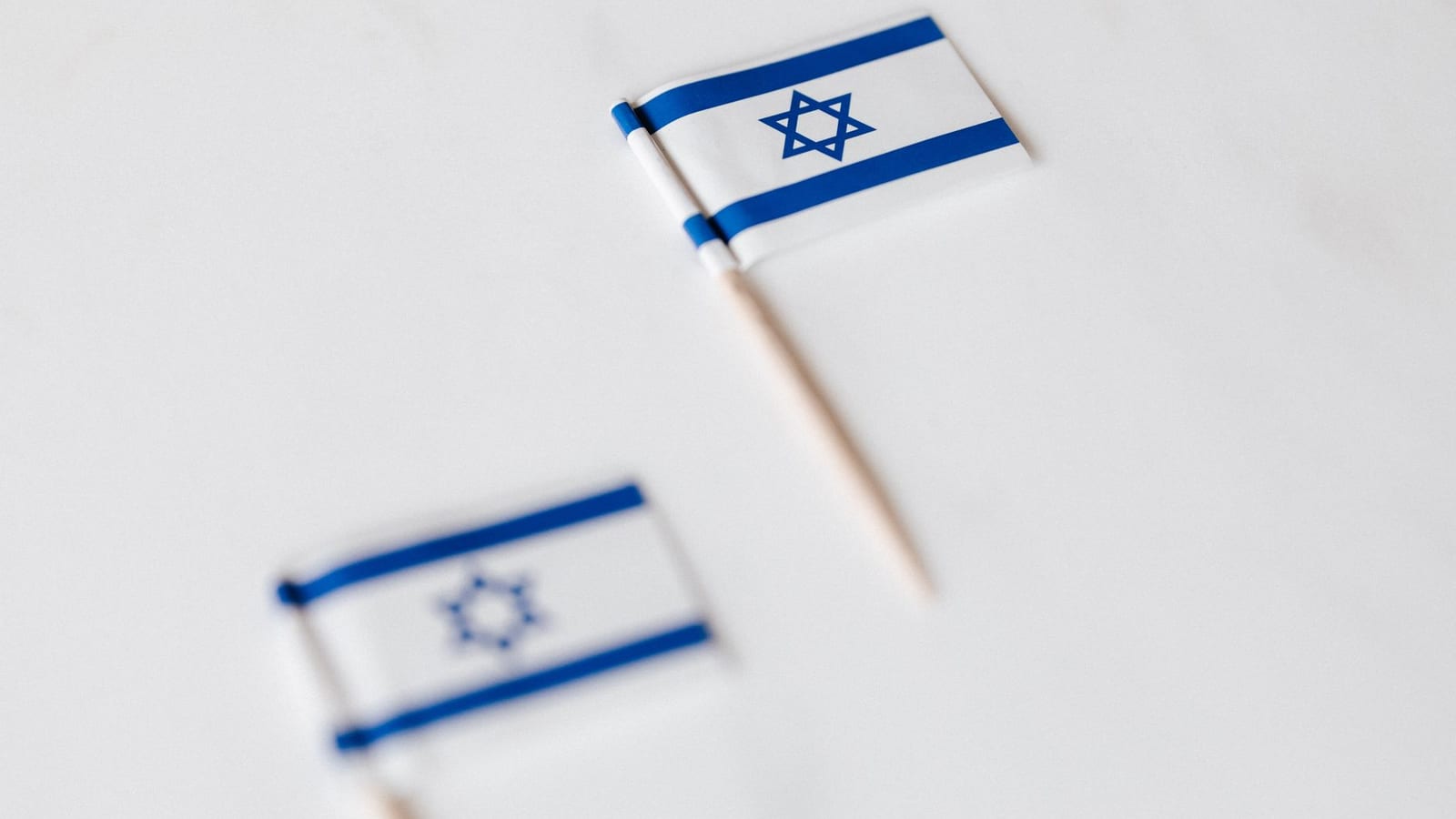
A port city does not need many warnings to feel fear. One siren in Haifa, and families know the day has changed.
On Monday, Hezbollah said it fired 135 Fadi-1 missiles towards northern Israel. The group said it aimed at a military base south of Haifa. Israel then hit back hard inside Lebanon, saying its air force struck more than 120 Hezbollah targets within one hour.
This is now the grim rhythm of the region. Rockets, air strikes, funerals, angry speeches, and another round of fear for people who never chose this war.
Haifa feels the northern front
Haifa matters because it is not a small border outpost. It is Israel’s third-largest city, a port, and a major business centre. When rockets reach that area, the message travels beyond the battlefield.
The Israeli military said rocket fire continued into Israeli territory through Monday evening. Reports from the affected areas said 10 people were injured around Haifa, while two more were hurt in southern Israel.
Hezbollah described the attack as a strike on a military site. Israel sees it as part of a wider Iran-backed campaign that has kept its northern communities under pressure since the Gaza war began.
For ordinary residents, these details matter less than the warning sound. Schools shut early. Offices empty. Parents check phones every few minutes. A city built around trade and movement suddenly starts thinking like a bunker.
Israel answers with air power
Israel said its air force carried out a wide operation in southern Lebanon. It said more than 120 Hezbollah-linked targets were hit in about 60 minutes.
That pace tells us something important. Israel wants to show that Hezbollah can fire rockets, but it will pay quickly and heavily. This is military messaging as much as battlefield action.
The Israeli military has already carried out large strikes in Lebanon in recent days. It said it had targeted around 1,600 sites earlier, aiming to weaken Hezbollah’s missile and command network.
But air power also brings a familiar problem. The strike may hit armed infrastructure, yet civilians live around those areas. In Lebanon, officials said Israeli strikes killed 11 people and injured 17.
Lebanon’s health ministry said six people died in a residential building in Kayfoun, in the Aley district of Mount Lebanon. Another strike killed five people and wounded four others.
That is where the language of “targets” meets real life. A map shows dots. A neighbourhood sees broken homes, missing relatives, and hospitals under strain.
The Gaza war keeps widening
The Lebanon front cannot be separated from Gaza. Hezbollah has presented its attacks as support for Hamas, which has been fighting Israel in Gaza since October 2023.
That connection makes the conflict harder to contain. Israel is no longer dealing with only one front. It faces Hamas in Gaza, Hezbollah in Lebanon, and pressure from Iran-backed groups across the region.
Iran’s Supreme Leader Ayatollah Ali Khamenei marked the October 7 anniversary with fresh praise for the Hamas attack. He said the operation had pushed Israel back by decades.
Israel views that date very differently. Hamas killed about 1,200 people in southern Israel and took more than 250 hostages. The attack triggered the war in Gaza and reshaped the region’s politics.
One year later, the shock has not faded. It has spread. The fear that began in Israeli border towns now sits in Lebanese villages, Gaza camps, and northern Israeli cities.
Why India should watch closely
For Indian readers, this may feel distant. It is not. West Asia sits close to India’s economy, energy security, and diaspora life.
Millions of Indians work across the Gulf. Families in Kerala, Telangana, Uttar Pradesh, Punjab, and Bihar depend on salaries sent from that region. Any wider war makes those workers anxious.
Oil markets also watch every missile in West Asia. A bigger conflict can push crude prices up. For India, that means dearer fuel imports, pressure on the rupee, and higher transport costs.
Even when pump prices do not move immediately, the burden shows up somewhere. Airlines pay more for fuel. Trucking costs rise. Imported goods become costlier. A small business owner feels it before a balance sheet explains it.
Shipping routes also matter. Haifa is a key port city. Lebanon’s coast sits near the eastern Mediterranean’s trade routes. Any long conflict can disturb insurance rates, shipping schedules, and investor confidence.
This is why markets dislike wars that have many actors. One mistake can pull in another country. One air strike can trigger a larger response. The cost then travels far beyond the original battlefield.
Civilians carry the real cost
Both sides frame their actions through security. Hezbollah says it is supporting Palestinians and targeting military sites. Israel says it is degrading a dangerous armed group near its border.
But civilians pay first. In Haifa, people run to shelters. In southern Lebanon, families move away from homes. In Gaza, people have lived through months of destruction and displacement.
The cruel part is that each side can claim it is responding. Hezbollah points to Gaza. Israel points to rocket fire. Iran speaks in ideological terms. Civilians hear the same thing every time, another night without safety.
The coming days will show whether this remains a controlled escalation or slips further. The danger is not only the number of missiles. It is the growing belief among the players that force is the only language left.
For ordinary people, from Haifa to Kayfoun to Indian homes watching fuel prices, that is the real warning. Wars begin with borders and slogans, but their bills always travel wider.