Monsoon Disrupts Roads and Services Across North India
Heavy rain, road accidents and civic disruptions hit several north and central Indian states, exposing risks on highways, pilgrim routes and city services.
A broken bus on an Indian road rarely stays a private problem for long. Within minutes, strangers push, traffic swerves, and one small failure becomes everyone’s risk.
Across north and central India this week, the headlines carried that familiar mix. Rain, road deaths, water cuts, crime, court orders, and politics all pressed into ordinary lives.
This was not one neat national story. It was the daily grind of the states, where India’s big questions often arrive as flooded lanes, closed highways, delayed taps, and unsafe streets.
Monsoon turns daily life fragile
In Uttar Pradesh, five people died after a container truck hit people pushing a damaged bus. The incident captured a grim truth about Indian roads. Help often arrives before safety does.
The monsoon added another layer of danger. In Sonbhadra, a woman and her daughter were swept away in a swollen drain. Their bodies were later found several kilometres away.
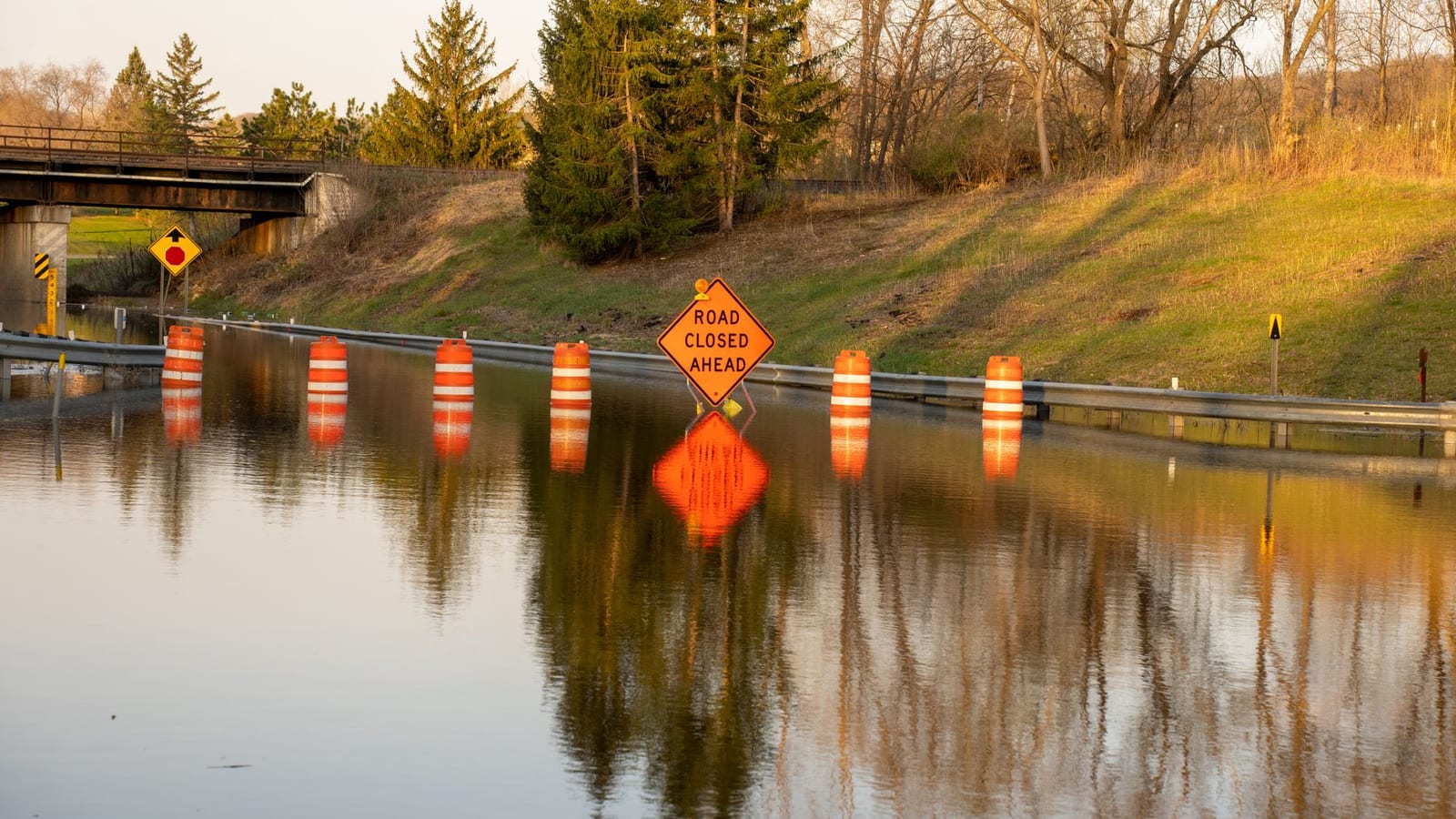
In Uttarakhand, officials warned of heavy rain as the monsoon became fully active. The Char Dham route also saw disruption, with rivers rising and the Badrinath highway shut.
For pilgrims, shopkeepers, drivers, and hotel workers, this is not just weather. A blocked highway can mean cancelled bookings, stranded families, and lost daily earnings.
Himachal Pradesh also reported serious rain damage. Authorities said 11 people died within three days of the monsoon’s arrival. Several roads remained shut, with flood and landslide risks still high.
Cities face civic pressure
In Delhi, residents in more than 75 areas were told to prepare for two days without regular water supply. Such warnings sound routine on paper. At home, they change the rhythm of the day.
Families store water in buckets. Small eateries adjust cooking. Office-goers plan baths around supply timings. A water cut in Delhi is never only a municipal update.
The city also prepared for winter pollution rules. Officials indicated that work-from-home measures and GRAP restrictions could kick in automatically from November 1.
GRAP is Delhi’s graded pollution response plan. In plain words, it is a rulebook that tightens restrictions as air quality worsens.
For salaried workers, it may mean fewer office commutes. For construction workers, delivery riders, and small workshops, the same rules can hit income directly.
In Nainital, authorities brought in new traffic rules. Horns were banned on Mall Road, while parking restrictions stretched up to Hanumangarhi.
These may look like small civic tweaks. But hill towns live on narrow roads, tourist pressure, and fragile local patience. One bad traffic weekend can sour an entire season.
Crime stories unsettle families
The week also brought a hard run of crime reports. In the NCR region, police said a student accused of stealing weapons from a police station was also linked to a murder case.
In another case, a family dispute reportedly turned fatal after an elder brother attacked his younger brother. The trigger, police said, was a disagreement over finding work.
Such cases sit at the edge of India’s jobs debate. Unemployment is discussed through data in studios. At home, it often becomes humiliation, anger, and pressure inside cramped rooms.
In Bihar, a court handed the death sentence to a mother and her lover for killing her son and daughter. The case involved an illicit relationship, officials said.
In Madhya Pradesh, police arrested six people after a woman was assaulted following a love marriage in Ujjain. The phrase “love marriage” still carries danger in many homes.
This is where lifestyle and law meet in a painful way. Young Indians may date, marry, and choose more freely than before. But family honour still polices many private decisions.
Courts and cabinets stay busy
The judiciary also shaped several state stories. In Chhattisgarh, the High Court said schools cannot force students to sing a Hindu prayer. The order touched a sensitive line between faith and education.
In Jharkhand, para teachers received relief from the High Court. Their contract service will now count toward pension benefits, giving many teachers a clearer retirement path.
The Jharkhand cabinet cleared 27 proposals, including a scheme listed as VB-G Ram-G. The details remain thin, but cabinet approvals often decide how welfare reaches villages.
In Haryana, officials moved ahead with a plan to build a new city across 1,200 acres in Nuh. The project will involve land acquisition from villages in the area.
For governments, new cities mean roads, housing, and investment. For farmers and local families, land acquisition means uncertainty first, compensation later.
In Maharashtra, a judge sharply criticised the state, saying citizens were being turned into servants of the government. The remark came in the context of cases filed against those who protest.
That line will travel because it speaks to a wider anxiety. Indians are not short of laws. The harder question is whether ordinary people feel protected by them.
Weather, work and weak systems
The pattern across these states is clear. India’s daily life now runs between aspiration and breakdown.
One headline talks about a four-lane road in Ranchi. Another talks about malaria deaths in East Singhbhum. One item flags a new city in Haryana. Another reports a man dying after falling into an open manhole in Mumbai.
This is modern India in split screen. We build highways, towers, and townships. Yet a missing drain cover can still kill a person during heavy rain.
Technology appeared in one unusual Chhattisgarh case, where officials said AI helped uncover salary irregularities involving police personnel. For three years, they allegedly drew inflated pay.
That is the better use of digital governance. Not shiny apps alone, but systems that catch leakages which humans ignore or hide.
Still, technology cannot replace basic state capacity. A flood warning helps only if drains work. A traffic rule matters only if streets can handle vehicles. A pension order helps only when files move.
The real story here is not only crime, rain, or politics. It is the Indian household trying to stay steady through all of it. A parent checks school rules. A commuter watches weather alerts. A teacher waits for pension clarity. A shopkeeper worries about water and footfall.
The states will keep producing these scattered headlines. Taken together, they show where India’s promise meets its everyday test. The next big reform may not feel dramatic. It may simply mean a safer road, a cleaner drain, a fairer office, and a tap that works when families need it.