Karnataka Plans Voter ID Rule For Gruha Lakshmi Aid
Karnataka plans to make voter ID mandatory for Gruha Lakshmi beneficiaries after SIR, tightening checks on fake and ineligible welfare claims.
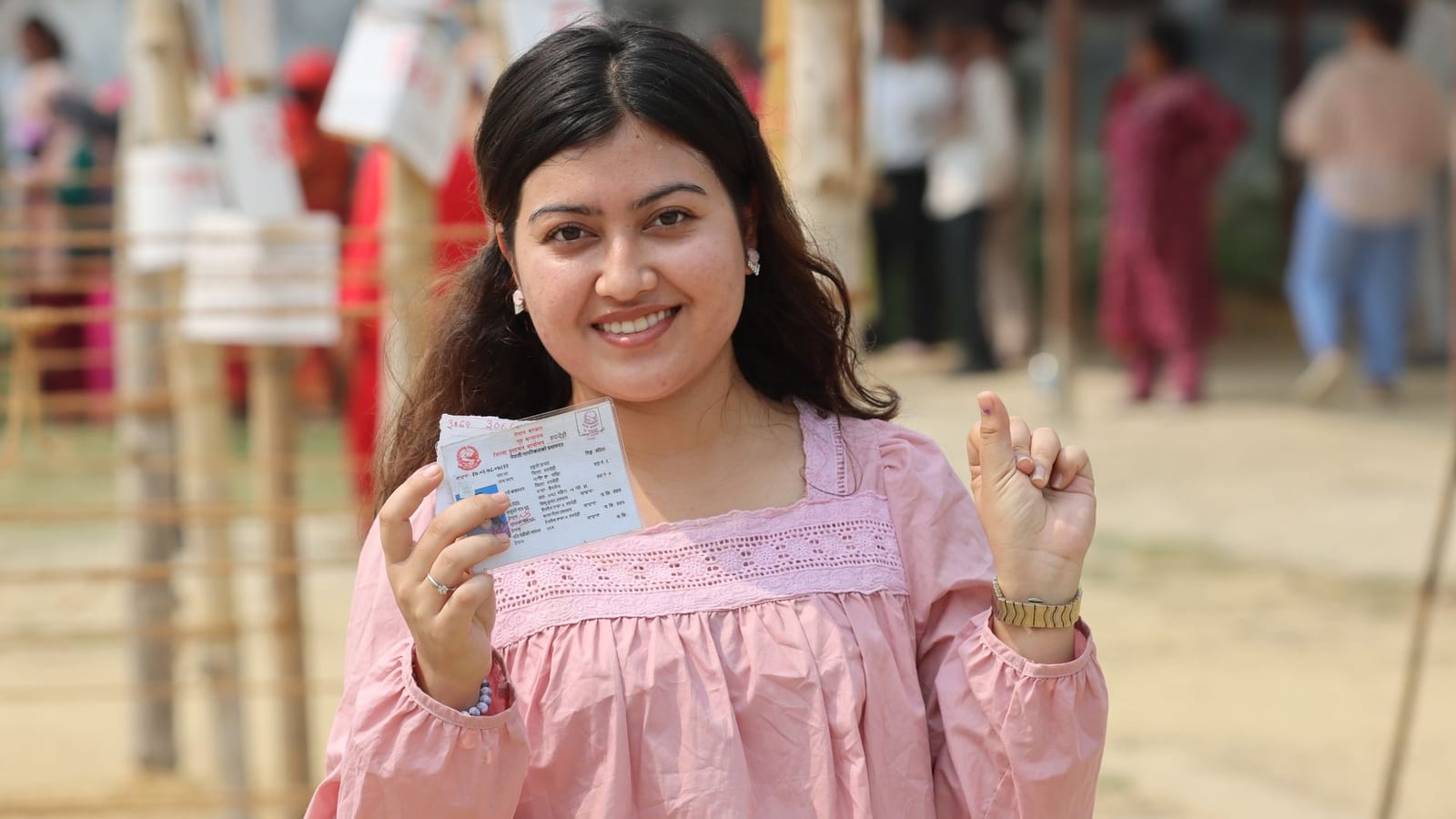
For many women in Karnataka, that Rs 2,000 monthly transfer is not pocket money. It pays for groceries, school fees, medicines, or the gap between two uncertain incomes.
Now the Gruha Lakshmi scheme is heading for a tighter check. The state government plans to make voter ID compulsory for the woman listed as the family head.
The timing matters. Officials want to wait until the Special Intensive Revision, or SIR, of voter rolls is over. Once that list changes, the welfare list may change too.
Voter ID becomes the new filter
The government’s logic is simple. If a person does not remain on Karnataka’s voter list, she may not remain eligible for Gruha Lakshmi either.
That is a big shift for a scheme built around ration cards and bank transfers. Until now, APL and BPL card details played the main role. The revised rules add voter ID to that checklist.
Officials say the aim is to stop ineligible claims. They have already removed income-tax payers, government employees, deceased beneficiaries, and duplicate applicants from the rolls.
The number is not small. Around 4.30 lakh names have already been dropped from the scheme. That tells us two things at once. The leakage was real, and the clean-up will not be painless.
A huge welfare bill
The scheme currently has about 1.24 crore beneficiaries. Since its launch in 2023, the government has transferred more than Rs 71,000 crore under it.
That is serious public money. For comparison, many smaller states run entire annual departments on less. So every extra name on the list creates pressure on the treasury.
But welfare is never just an accounting sheet. A woman who depends on this transfer does not see “beneficiary rationalisation”. She sees whether her bank account gets credited this month.
That is why the clean-up needs care. Removing fake claims is necessary. Removing genuine women because of paperwork mistakes would be a very different story.
The state says eligible women will not lose benefits. Officials have also said women wrongly left out due to technical issues can approach the department with documents.
That reassurance matters, but only if the process works at the ground level. A correction window means little if women must make repeated trips, miss work, or chase unclear paperwork.
Bengaluru’s migrant question
One concern inside the government is cross-border welfare use. Officials believe some people from neighbouring states may be claiming benefits in Karnataka, especially in Bengaluru.
The political argument is sharp. If a person votes in another state but takes welfare benefits here, should Karnataka pay?
D.K. Shivakumar has taken the line that guarantee schemes should reach Karnataka’s voters. That position will find support among many local taxpayers and residents.
But Bengaluru complicates every neat political claim. The city runs on migrant labour, floating workers, rented homes, and shifting documents. Many families live between two states for work.
So the voter ID rule may catch fraud. It may also catch people whose lives do not fit tidy government forms.
This is where implementation becomes the real test. A good filter removes fake claims. A bad filter punishes people for being poor, mobile, or digitally weak.
Bank account rules tighten too
The draft guidelines also make a savings bank account mandatory. Joint accounts may not be accepted for the scheme.
That may sound like a small banking detail. It is not. Many families still use shared accounts, especially in poorer households.
The government likely wants cleaner direct benefit transfers. A single savings account makes it easier to verify the beneficiary and send money without dispute.
But the rule may force some women to open or update accounts quickly. In towns and villages, that means bank visits, Aadhaar linking, mobile number issues, and passbook corrections.
The Women and Child Development Department has sent the revised guidelines for Cabinet approval. Only after discussion and clearance will the final rules be locked.
Officials also say many staff members are currently busy with SIR work. So the renewal process may take more time than beneficiaries expect.
Payments and pending dues
The government has reportedly sent Gruha Lakshmi payments up to March and April. For money due after May, a request has gone to the Finance Department.
Once funds arrive, officials say payments will continue through direct benefit transfer. That means the money goes straight into the beneficiary’s bank account.
For women waiting on the transfer, this is the part that matters most. Policy debates in Bengaluru sound distant when a household budget is already stretched.
The government wants to clean the list before the next phase moves faster. That is sensible from a fiscal point of view. But delays can hurt households that have planned around this money.
The larger lesson is familiar. Big welfare schemes work only when databases stay clean and citizens are not made to suffer for official confusion.
Karnataka now has to prove it can do both. It must remove duplicate and false claims, while protecting every eligible woman who depends on that monthly support. For ordinary families, the real question is not whether the filter looks smart on paper. It is whether the money reaches the right account, on time, without turning dignity into a document chase.